Bangladesh Bank crypto warning: What it means for users and traders
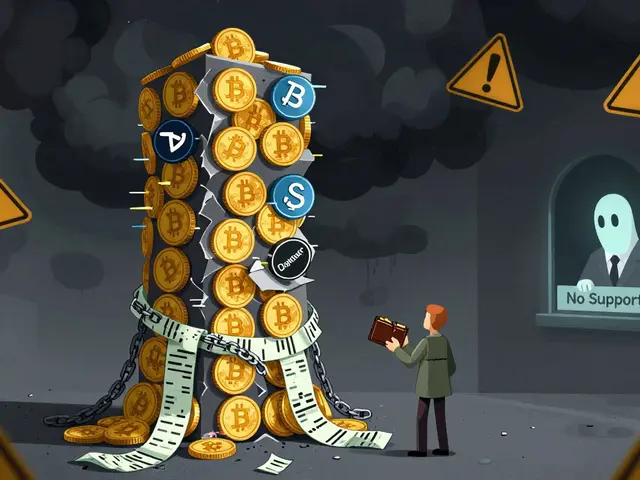
When the Bangladesh Bank crypto warning, a formal directive from the central bank prohibiting all cryptocurrency transactions. Also known as Bangladesh crypto ban, it was issued in 2017 and remains in full force today. The central bank didn’t just discourage crypto—it made trading, holding, or exchanging Bitcoin and other digital assets a criminal offense under the Money Laundering Prevention Act. Banks were ordered to freeze accounts linked to crypto exchanges, and users caught using platforms like Binance or Coinbase faced legal action. This wasn’t a gentle nudge. It was a full shutdown.
But here’s the twist: the ban didn’t stop people from using crypto. It just pushed it underground. Today, thousands of Bangladeshis still trade Bitcoin and USDT through P2P platforms like LocalBitcoins and Paxful, using cash deposits, mobile banking apps, and even trusted friends to move money. Why? Because remittances from overseas workers—over $20 billion a year—were getting trapped in slow, expensive bank channels. Crypto offered a faster, cheaper way to send money home. For students, freelancers, and small business owners, crypto became a lifeline, not a luxury. The Bangladesh crypto regulation, a strict legal framework enforced by the central bank to block all digital asset activity never accounted for this real-world need. Meanwhile, the central bank crypto, the authority behind the ban and the main enforcer of financial control in the country continues to insist that crypto is a threat to financial stability, ignoring the fact that millions already rely on it.
The Bangladesh Bank crypto warning didn’t kill crypto—it made it riskier. Now, users face scams, frozen wallets, and no legal recourse if something goes wrong. There’s no official exchange, no consumer protection, and no way to report fraud. But the demand hasn’t faded. It’s growing. And with neighboring India and Pakistan quietly adjusting their own rules, pressure is building on Bangladesh to reconsider. For now, the ban stands. But the people are still trading. And they’re not waiting for permission.
Below, you’ll find real stories, leaked documents, and firsthand accounts from people who’ve navigated this ban—how they moved money, avoided detection, and survived without banks. Some made it. Others lost everything. This isn’t theory. It’s what’s happening right now.
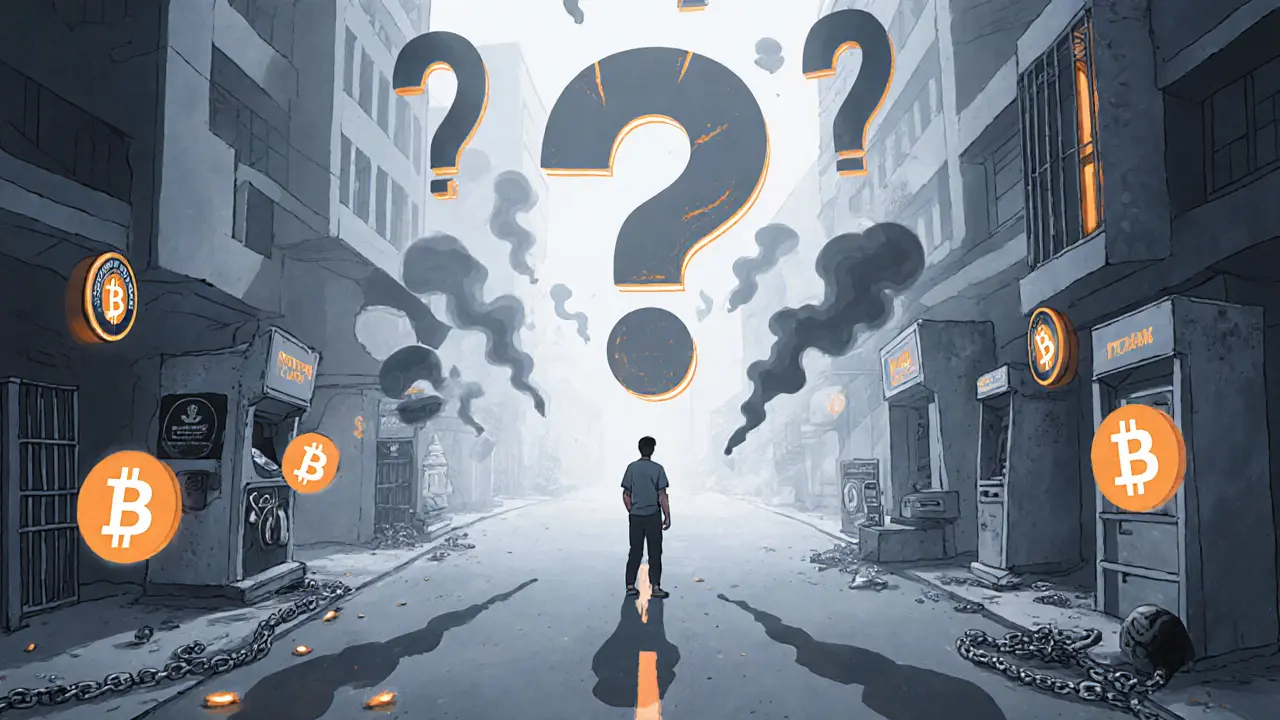
12 Years Imprisonment for Crypto Trading in Bangladesh: What’s Really Legal
The claim that crypto trading in Bangladesh carries a 12-year prison sentence is widely repeated but legally misleading. Here’s what’s actually banned, who gets punished, and why people still trade anyway.
Recent Post
-
How Two-Way Pegs Work in Bitcoin Sidechains
Mar, 18 2026