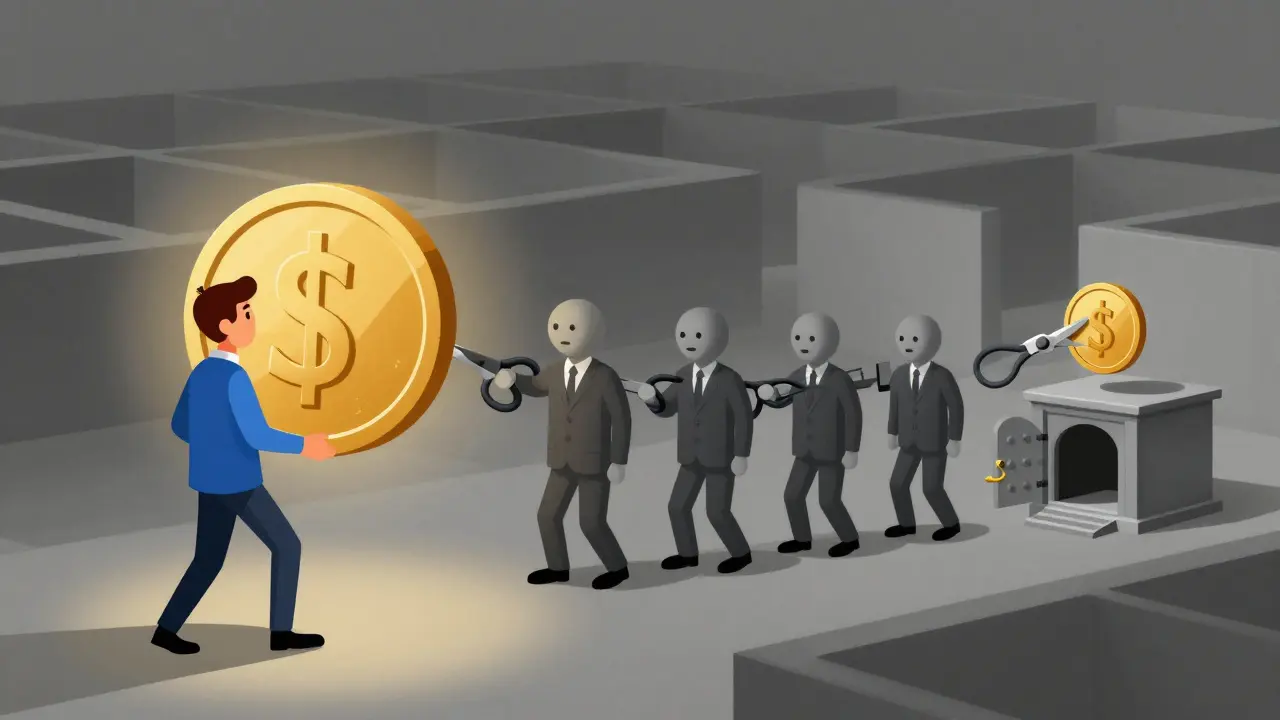
Why Middlemen Are Costing You Money
Imagine working all week on a new piece of art, a song, or a video series. You hit publish, and months later, you finally see the money in your bank account. But before it gets there, a platform takes a cut. Then the payment processor takes another slice. By the time you hold the cash, you might have lost 30% of what you earned. That is the reality for most creators in the traditional system.
Now, picture a different world. You publish your work. A fan likes it and sends you payment instantly. There is no bank waiting three days to clear the funds. There is no hidden fee eating into your profit. The money arrives in your digital wallet, and you decide what to do with it. This is the promise of Direct Creator Payments with Cryptocurrency is a financial model where creators receive compensation directly from their audience using digital currencies, bypassing traditional intermediaries like banks and payment processors.
By 2026, this isn't just a futuristic idea. It is a practical reality for thousands of independent professionals. The technology has matured enough that you don't need to be a computer scientist to use it. You just need to understand the basics of how the money moves and where the risks lie.
How the System Actually Works
To understand why this changes the game, you have to look at the infrastructure. Traditional payments rely on a chain of middlemen. You send money to a platform, the platform sends it to a processor, the processor sends it to a bank, and the bank sends it to you. Each step adds time and cost.
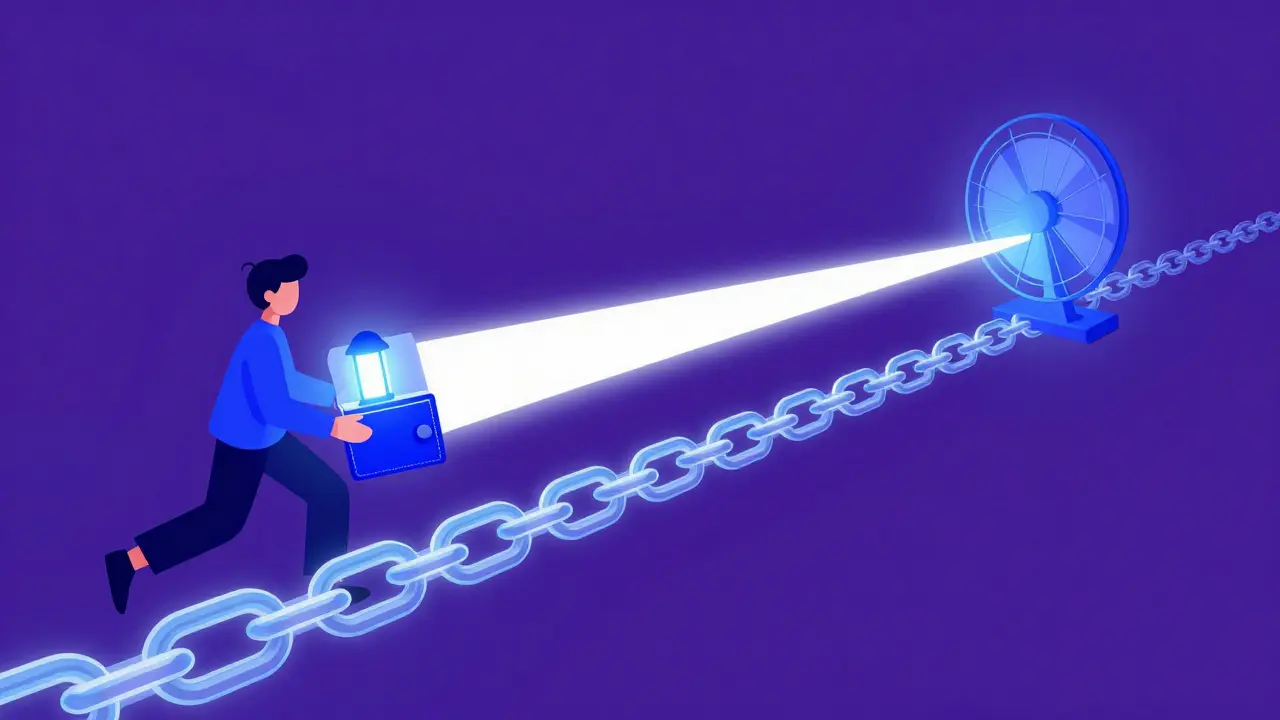
Cryptocurrency payments cut through that chain. They operate on a Blockchain is a decentralized digital ledger that records transactions across many computers so that the record cannot be altered retroactively. When a fan sends you a payment, that transaction is verified by the network, not a bank. It gets recorded on the public ledger, and the funds appear in your wallet almost instantly.
The most common infrastructure for these payments remains Ethereum is a decentralized, open-source blockchain system that features smart contract functionality and is the second-largest cryptocurrency platform by market capitalization. However, newer networks have emerged to handle high volumes of small transactions more cheaply. The core requirement for you as a creator is simply a compatible digital wallet address. This acts like your bank account number, but for crypto.
The Real Math: Fees and Speed
Let's talk numbers, because that is usually the deciding factor. If you use a standard payment processor like PayPal or Stripe, you are looking at a fee of 2.9% plus a fixed fee per transaction. If you are doing international business, that can jump to 5% or more due to currency conversion and cross-border charges.
Compare that to a crypto transaction. On a Layer 2 solution (which is a network built on top of a main blockchain to make it faster), fees can be as low as a fraction of a cent. Even on the main Ethereum network, during normal congestion, fees might range from $0.01 to $5.00. For a creator earning significant income, the savings are massive.
| Feature | Traditional (PayPal/Stripe) | Cryptocurrency (Direct) |
|---|---|---|
| Transaction Fee | 2.9% + $0.30 | $0.01 - $5.00 (Variable) |
| Settlement Time | 2-5 Business Days | Seconds to Minutes |
| International Fees | 3-5% + FX Spread | None (Global Standard) |
| Chargeback Risk | High (Reversible) | None (Irreversible) |
Notice the "Chargeback Risk" row. In the traditional system, a customer can claim they didn't authorize a payment days later, and the money is taken from your account. With crypto, once the transaction is confirmed, it is final. This protects you from fraud, but it also means you cannot reverse a mistake if you send funds to the wrong address.
Platforms Making It Accessible
Five years ago, setting this up required writing code or managing complex private keys. Today, specialized platforms handle the heavy lifting. One of the leaders in this space is FANCLB is a creator-focused platform that implements layer 2 blockchain solutions to enable direct cryptocurrency payments with automatic fiat conversion. They allow creators to receive crypto payments without needing to understand the underlying technology. The platform converts the crypto to your local currency (like USD or EUR) and deposits it into your bank account within 24 hours.
This solves the biggest headache for most people: volatility. If you get paid in Bitcoin, and the price drops 10% the next day, you lose value. Platforms like FANCLB mitigate this by converting the payment immediately. You get the stability of a bank deposit with the efficiency of a crypto transaction.
Another notable player is Rally, which launched its Creator Coin platform back in 2020. This allowed individuals to create custom-branded currencies. Supporters could buy these tokens, and creators could use them to reward engagement. It functions like a points system, but the points have real monetary value and can be traded.
Navigating Volatility and Risk
Even with auto-conversion services, you need to understand the risks. The price of Bitcoin is the first decentralized cryptocurrency that enables peer-to-peer transactions without a central authority and other digital assets can swing wildly. While auto-conversion handles the income side, holding crypto for long-term investment is a different strategy.
Security is another major factor. In traditional banking, if you lose your card, the bank issues a new one. In crypto, if you lose your private key or send money to the wrong address, there is no customer support to call. The transaction is irreversible. This requires extreme attention to detail. You must verify wallet addresses before sending or receiving large sums.
Furthermore, regulatory environments are still catching up. In the United States, the SEC has scrutinized certain creator coins under securities laws. While direct payments using established currencies like Bitcoin or stablecoins are generally safer, creating your own token can invite legal questions. Always check the current regulations in your jurisdiction before launching a custom token.
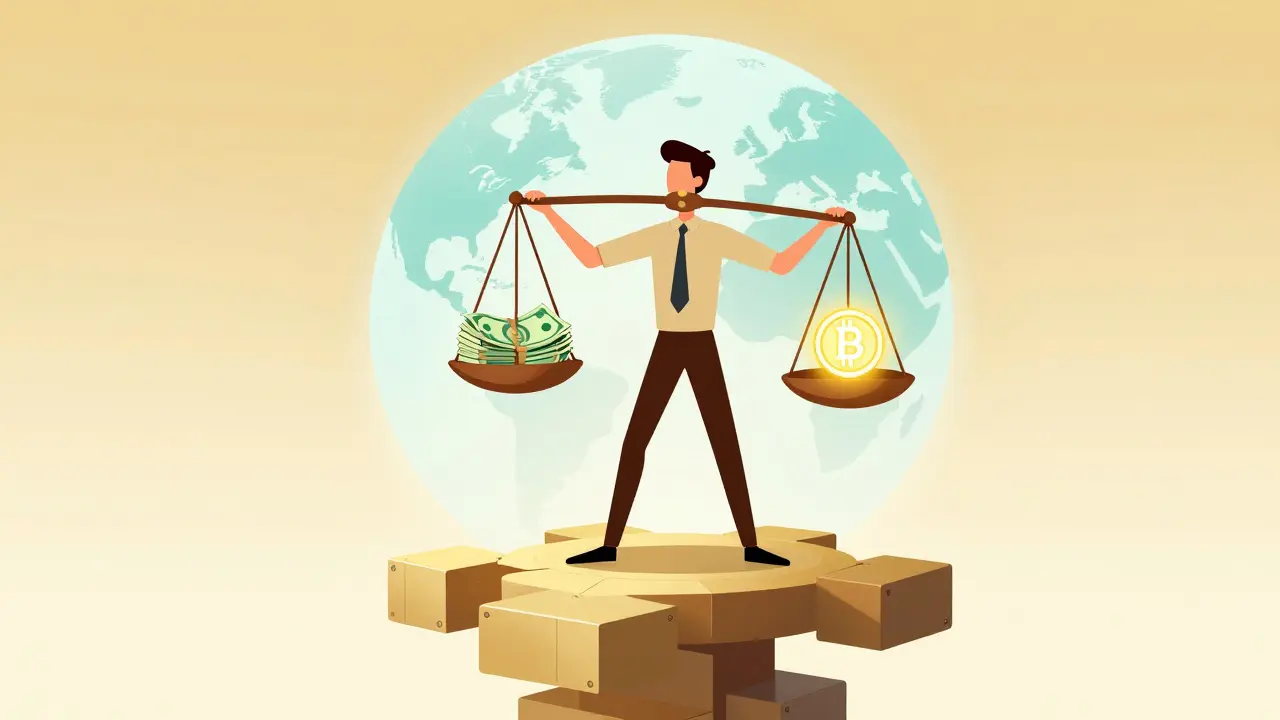
Who Should Use This?
This model isn't for everyone. If you run a small local bakery and your customers only want to pay with cash or credit cards, crypto might be overkill. However, it is ideal for specific types of creators:
- Digital Artists and NFT Creators: Your work is already digital, and your audience is likely tech-savvy.
- International Freelancers: If you work with clients in different countries, you avoid the nightmare of currency conversion fees.
- Content Creators with Global Audiences: Fans in countries with strict banking restrictions can still support you directly.
- Podcasters and Streamers: Platforms like Patreon are exploring crypto options, allowing you to diversify income streams.
According to a 2023 Creator Economy Report by SignalFire, about 47% of surveyed digital creators expressed interest in implementing cryptocurrency payment options. That number has likely grown by 2026 as the tools become more user-friendly.
Getting Started: A Simple Checklist
If you are ready to try this, you don't need to spend months learning. Here is a practical path to get you set up in under an hour:
- Choose a Platform: Decide if you want to handle the crypto yourself or use a managed service. For most beginners, a managed service like FANCLB is the best starting point.
- Set Up a Wallet: If you are going direct, download a reputable wallet app (like MetaMask or Trust Wallet). Secure your recovery phrase. Never share this phrase with anyone.
- Verify Your Identity: Most platforms require KYC (Know Your Customer) verification to comply with financial laws. Have your ID ready.
- Generate a Payment Link: Create a link or QR code that fans can use to send you funds. Put this on your website, social media bios, or newsletters.
- Test with Small Amounts: Before asking for large donations, send yourself a small amount to ensure the money arrives and the conversion works as expected.
What Happens Next?
The technology is moving fast. By 2027, industry analysts suggest that creator cryptocurrency payments could become standard practice for 40-50% of digital creators. The focus is shifting from "how do I do this?" to "how do I scale this?". Integration with existing platforms like Patreon and Shopify is making the barrier to entry lower every year.
However, the core value remains the same: ownership. When you accept direct payments, you own the relationship with your audience. You don't rely on a platform's algorithm to decide how much you get paid. You control the terms. Whether you choose to hold the crypto or convert it immediately to cash, the ability to bypass the traditional banking system gives you a level of financial independence that was previously impossible.
Do I need to be a crypto expert to accept payments?
No, you do not. Platforms like FANCLB handle the technical complexity, including wallet management and automatic conversion to fiat currency. You essentially just provide a payment link to your audience.
What happens if the crypto price drops before I cash out?
If you use a platform with auto-conversion, the risk is minimized because the crypto is converted to your local currency immediately upon receipt. If you hold the crypto yourself, you are exposed to market volatility.
Can I accept payments from anyone in the world?
Yes, cryptocurrency is borderless. As long as your fan has internet access and a way to access the blockchain, they can send you a payment regardless of their location or banking restrictions.
Are crypto payments taxable?
Yes. In most jurisdictions, including the US, cryptocurrency is treated as property. You must report the value of the crypto at the time of receipt as income. Always consult a tax professional.
What if I send money to the wrong address?
Unfortunately, crypto transactions are irreversible. If you send funds to the wrong address, they are likely lost forever. Always double-check the wallet address before confirming any transaction.


Sarah Terry
March 26, 2026 AT 11:50I have seen so many artists struggle with the standard payment gateways. Direct payments remove that friction entirely. You keep more of what you earn. It empowers the individual to take control of their income stream. This shift is necessary for the sustainability of the creator economy. We need more tools that prioritize the artist over the corporation. The tech is finally ready for mass adoption. It is encouraging to see platforms simplifying the onboarding process.
Financial autonomy is the goal here.
Shayne Cokerdem
March 27, 2026 AT 23:33I do not trust forign tech when our banks work fine for real americans.
Mohammed Tahseen Shaikh
March 28, 2026 AT 19:58People talk about autonomy but ignore the sheer chaos beneath the surface. You think you are in control when the market decides your worth in seconds. Volatility is not a feature it is a weapon against the unsuspecting. The promise of instant settlement fades when you realize you cannot buy groceries with your wallet balance. Security is a myth sold to the masses to make them feel safe. One lost key and your life's work vanishes into the ether forever. The platforms mentioned here are just middlemen in disguise. They take a cut and call it a service fee. You are not escaping the system you are just moving to a riskier version of it. The regulatory landscape is a minefield waiting to explode. Governments will not allow this unchecked power to persist without intervention. Taxes become a nightmare when every transaction is recorded on a public ledger. You lose privacy while gaining speed. The narrative of financial freedom is often just marketing fluff. Real freedom comes from stability not speculative assets. We need to be honest about the dangers before everyone jumps on the bandwagon. It is reckless to encourage artists to gamble their livelihood on digital tokens. The infrastructure is fragile compared to traditional banking systems. Do not let the hype blind you to the very real risks involved. This is not liberation it is a different kind of cage. We must demand better solutions than this.
Kevion Daley
March 30, 2026 AT 15:50Obviously the smart money has been using Layer 2 solutions for years now 🙄. The average person is just now catching up to what I have been doing since 2021. It is amusing to see this explained as a new discovery. True decentralization requires self-custody not some managed service. 🤷♂️. FANCLB is fine for the masses but real power lies in the wallet. If you cannot manage your own keys you are not really free. The article misses the nuance of gas fees during peak congestion. 📉. Only those who understand the tech will truly benefit from this shift. The rest are just followers chasing the next trend. 🚀.
Tammy Stevens
March 30, 2026 AT 23:26I understand the desire for self-custody but we have to acknowledge the UX barrier for the average user. Managed services provide a necessary abstraction layer for mass adoption. Without these on-ramps the technology remains niche and inaccessible. The goal should be inclusivity not gatekeeping based on technical literacy. Smart contracts can handle the conversion logic securely without user intervention. We are seeing a convergence of DeFi and traditional banking rails. This hybrid approach reduces friction while maintaining some level of decentralization. It is important to validate different risk profiles within the community. Not everyone can afford the learning curve of cold storage. Bridging the gap between Web2 and Web3 is crucial for ecosystem growth. We should encourage education rather than elitism. The infrastructure is maturing to support both advanced users and beginners. Security protocols are improving across the board. Let us focus on the utility rather than the purity of the implementation. Everyone deserves access to these financial tools regardless of their technical background.
Progress is the priority here.