Crypto Exchange Crackdown: What It Means for Traders and How to Stay Safe
When governments crack down on crypto exchange crackdown, government actions targeting unregulated cryptocurrency platforms to enforce compliance, protect consumers, or control financial flows. Also known as crypto regulatory sweep, it’s not just about shutting down shady platforms—it’s about rewriting the rules for everyday traders. This isn’t theoretical. In 2025, the Philippine SEC froze $150 million in assets from 20 unlicensed exchanges. Thousands of users lost access overnight. Similar moves happened in Bangladesh, Turkey, and North Macedonia—not because crypto is evil, but because too many platforms operated like wild west casinos with no accountability.
Behind every crypto regulation, laws and policies that define how cryptocurrencies can be traded, taxed, or used within a country’s financial system is a story of real people trying to survive. In Cuba, Bitcoin became a lifeline after U.S. sanctions cut off banks. In India, students use stablecoins to send money home because traditional remittances are too slow and expensive. But when regulators step in, they don’t always distinguish between the user and the scammer. That’s why so many posts in this collection focus on unregulated crypto exchanges, crypto platforms that operate without licenses, audits, or transparency, often posing serious risk to user funds. Platforms like Horizon Dex, ko.one, and BITEXBOOK aren’t just risky—they’re invisible. No reviews, no support, no audits. And when regulators move, these are the first to vanish, taking users’ money with them.
The real danger isn’t just the crackdown—it’s the confusion it creates. People hear "crypto is illegal" and assume trading is banned. But in Bangladesh, the 12-year prison claim is misleading. In Turkey, you can’t use crypto to pay for coffee, but you can still trade it. In North Macedonia, trading continues underground through P2P apps. The frozen crypto assets, crypto holdings seized or locked by authorities due to regulatory violations or unlicensed platform activity aren’t just numbers—they’re savings, rent money, school fees. That’s why the posts here don’t just list risks. They show you how to spot fake airdrops like VDV VIRVIA or AFEN Marketplace, how to verify if a platform is legit, and how to protect yourself even when the rules are unclear.
You won’t find fluff here. No "crypto is the future" speeches. Just hard truths: if a platform doesn’t have a clear legal presence, doesn’t publish audits, and has zero user reviews, it’s not worth your wallet. The crackdowns aren’t going away. They’re getting smarter. And the traders who survive? They’re the ones who know the difference between a real exchange and a ghost.
Below, you’ll find real cases—from Cuba to the Philippines—showing how people adapt, survive, and avoid getting caught in the crossfire. No theory. Just what’s working, what’s dangerous, and what to watch out for next.
No-KYC Crypto Exchange Shutdowns by Authorities: What Happened and Why It Matters
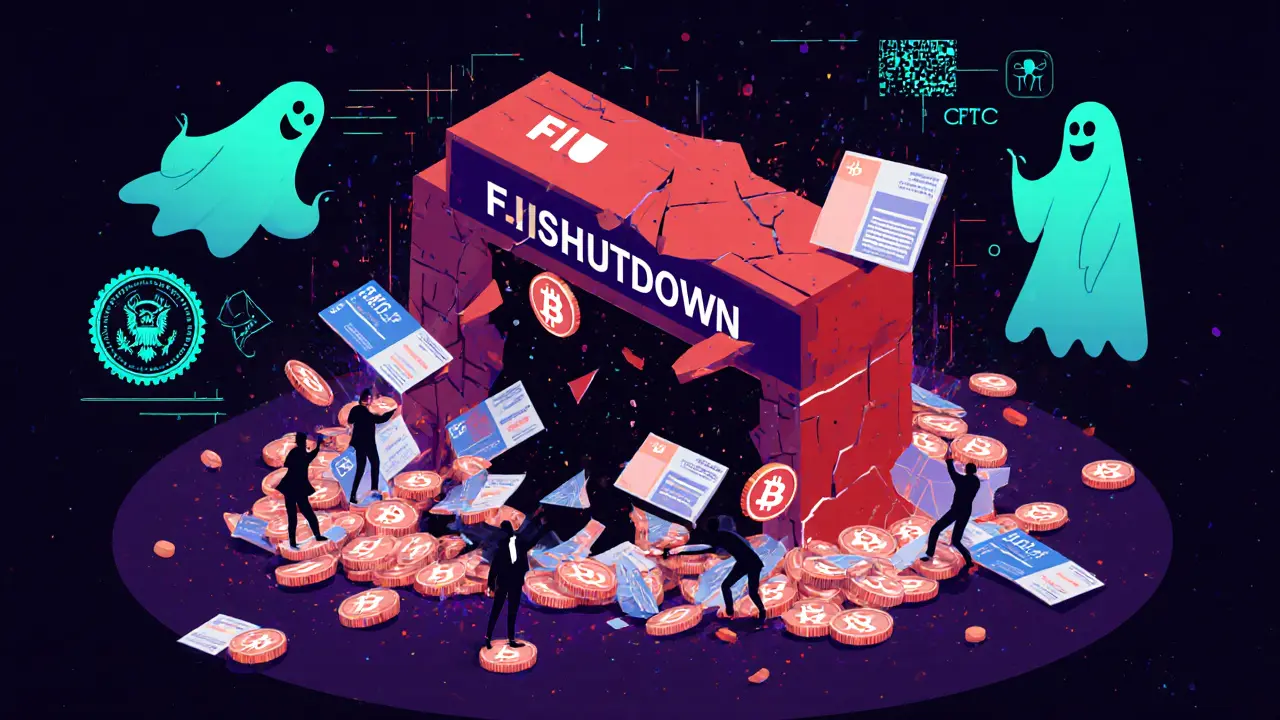
No-KYC crypto exchanges are being shut down worldwide as regulators crack down on money laundering and fraud. Major platforms like KuCoin and BitMex have been forced out of key markets, while compliance has become the new standard for survival.