Crypto Regulation: What It Means for Users, Exchanges, and Everyday Trading
When we talk about crypto regulation, the rules governments set to control how cryptocurrencies are bought, sold, taxed, or banned. Also known as cryptocurrency laws, it’s not just about banks and lawmakers—it’s about whether you can send Bitcoin to a friend, use stablecoins to pay for groceries, or get locked out of your wallet because a platform got shut down. This isn’t theoretical. In Bangladesh, people risk prison for trading crypto. In the Philippines, $150 million in assets got frozen overnight. In Turkey, you can’t use crypto to pay for coffee, but you can still trade it on exchanges. The rules aren’t the same anywhere, and they’re changing faster than most users can keep up.
Crypto taxes, how governments track and charge you on crypto gains or income. Also known as cryptocurrency taxation, are one of the biggest real-world impacts of regulation. India doesn’t ban crypto—it just makes it expensive, with a 30% tax on gains and a 1% TDS on every trade. Meanwhile, Cuba legalized crypto not because it wanted to, but because U.S. sanctions cut off its access to banks. People there use Bitcoin and Ethereum to buy food, send money home, and survive. In North Macedonia, crypto is officially banned, yet P2P trading thrives underground. Regulation doesn’t stop adoption—it just pushes it into shadows, scams, or risky workarounds.
Unregulated crypto exchanges, platforms that operate without licenses, audits, or oversight. Also known as shadow crypto platforms, are where regulation and reality collide. Sites like ko.one, Horizon Dex, and BITEXBOOK look like real exchanges but have no security, no reviews, and no legal accountability. That’s why the Philippine SEC froze $150 million in assets from 20 unlicensed platforms. Users didn’t know they were on risky sites—they just wanted to trade. And now, they’re stuck. Meanwhile, legitimate platforms like Binance and Coinbase follow strict rules in some countries and ignore them in others. Regulation isn’t black and white—it’s messy, uneven, and often ignored by those who need it most.
What you’ll find below isn’t a list of legal opinions or policy papers. It’s real stories from people living under these rules. How Indian students bypass taxes. How Cubans use crypto to eat. How a 12-year prison claim in Bangladesh turned out to be a myth. How fake airdrops and ghost tokens thrive in the gaps between regulation and enforcement. These aren’t hypotheticals. These are people trading, surviving, and getting burned because the rules don’t match their reality. Whether you’re new to crypto or have been holding for years, understanding how regulation affects your wallet isn’t optional—it’s the difference between keeping your money and losing it to a scam, a freeze, or a law you didn’t even know existed.
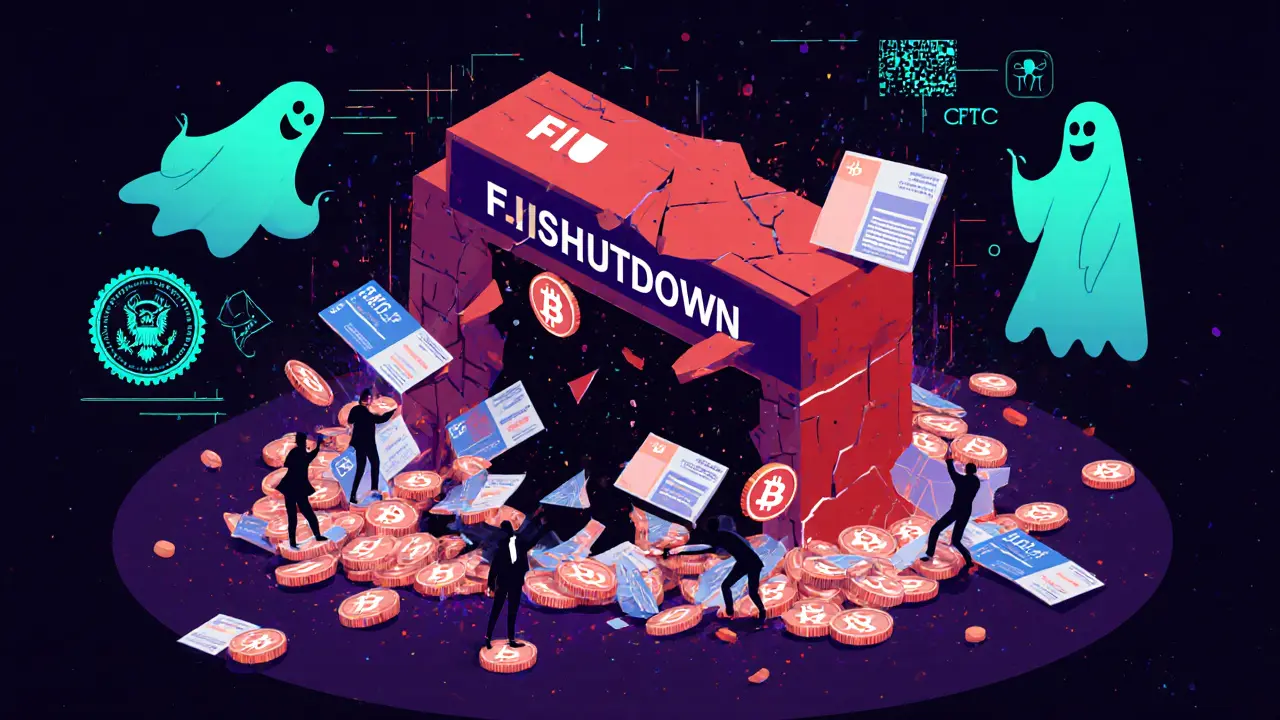
No-KYC Crypto Exchange Shutdowns by Authorities: What Happened and Why It Matters
No-KYC crypto exchanges are being shut down worldwide as regulators crack down on money laundering and fraud. Major platforms like KuCoin and BitMex have been forced out of key markets, while compliance has become the new standard for survival.
Recent Post
-

Stablecoins: How They Solve Crypto Volatility
Sep, 19 2025