Cryptocurrency Fraud: How Scams Work and How to Avoid Them
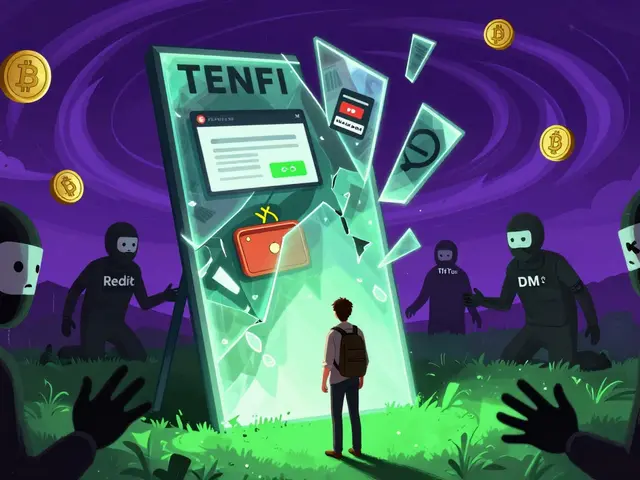
When you hear cryptocurrency fraud, the deliberate deception of investors through fake projects, manipulated markets, or stolen keys. Also known as crypto scams, it’s not just about losing money—it’s about losing trust in an entire system built on transparency. Every year, billions vanish because people don’t know how these scams are built. They look real: professional websites, influencers promoting them, even fake news articles. But underneath, they’re empty shells.
One common type is the fake airdrop, a trick where scammers promise free tokens in exchange for connecting your wallet or sharing private keys. You’ll see ads for "SHF airdrop" or "MPAD tokens"—but if there’s no official website, no team, and no transaction history, it’s a trap. Another is the no-KYC exchange, a platform that lets you trade without identity checks, making it perfect for money launderers and exit scams. Platforms like ko.one and Horizon Dex show up on forums with no reviews, no security audits, and zero regulatory backing. They disappear overnight with your funds.
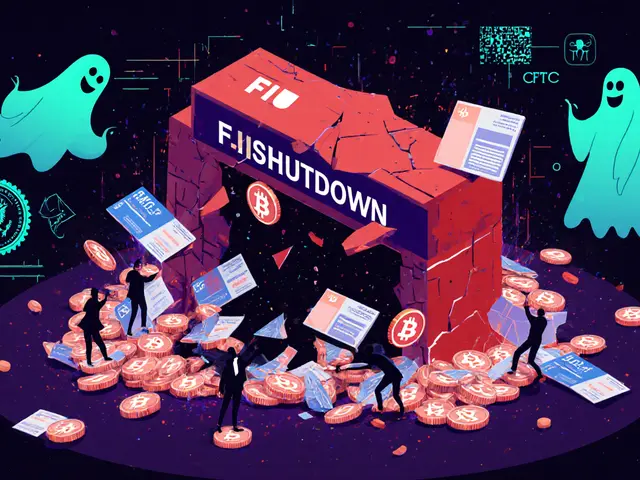
Then there’s the rug pull, when developers drain a token’s liquidity and vanish, leaving holders with worthless coins. Look at TODD, VONSPEED, or MTC—tokens with zero trading volume, no community, and a 99% price drop. These weren’t failed projects—they were designed to fail from day one. Even fan tokens like ATM or meme coins like EDOGE can be part of this. They’re not investments. They’re distractions.
Regulators are catching on. The Philippines froze $150 million in assets from unlicensed exchanges. The U.S. and EU are cracking down on exchanges that skip KYC. But scams adapt. They move to new blockchains, rebrand as "DeFi tools," or use AI-generated influencers to push fake airdrops. You can’t rely on authorities to protect you. You have to protect yourself.
How? Start by asking: Is there a real team behind this? Is there actual trading volume? Are they asking for your seed phrase? If the answer is yes to any of those, walk away. Check CoinMarketCap or CoinGecko for verified listings—not random blog posts. Never connect your wallet to a site you don’t fully trust. And if something sounds too good to be true—free tokens, 1000% returns, guaranteed profits—it is.
Below, you’ll find real case studies of crypto fraud in action: dead tokens, fake exchanges, rigged airdrops, and the people who fell for them. Each one shows a pattern. Learn the pattern, and you won’t become the next victim.

How Social Engineering Powers Cryptocurrency Scams and How to Avoid Them
Social engineering is the leading cause of cryptocurrency losses, using psychology, not code, to trick people into giving up their funds. Learn how scams like pig butchering, deepfakes, and fake support work-and how to stop them.