Philippine crypto market: Adoption, regulations, and how Filipinos use crypto daily
When talking about the Philippine crypto market, a rapidly growing ecosystem where millions use digital assets to send money, save value, and access global finance. Also known as crypto adoption in the Philippines, it’s not just about trading—it’s about survival, remittances, and financial independence. Unlike countries with strict bans, the Philippines never outlawed crypto. Instead, it let the people decide—and over 7 million Filipinos now use Bitcoin, stablecoins, and P2P platforms daily.
The Philippine crypto market, a rapidly growing ecosystem where millions use digital assets to send money, save value, and access global finance. Also known as crypto adoption in the Philippines, it’s not just about trading—it’s about survival, remittances, and financial independence. The P2P crypto, a peer-to-peer trading system that lets users buy and sell crypto directly without banks or exchanges. Also known as crypto peer-to-peer trading, it’s the backbone of crypto use here. Platforms like Paxful and LocalBitcoins exploded because overseas workers send home $30 billion a year in remittances—and traditional services charge too much. Crypto cuts fees by up to 80%. A nurse in Dubai sends pesos to her family in Cebu using USDT. A student in Manila buys Bitcoin with cash from a neighbor. These aren’t speculative trades—they’re daily financial lifelines.
The crypto regulations Philippines, a framework managed by the Bangko Sentral ng Pilipinas that requires exchanges to register and verify users, but doesn’t ban ownership. Also known as Philippine crypto laws, it’s a middle path: no ban, but strict oversight. The central bank doesn’t stop you from holding crypto—but it does shut down unlicensed platforms. That’s why you see so many scam alerts about fake exchanges like ko.one or BITEXBOOK. Real users stick to registered ones like Coins.ph or Binance PH. And while taxes aren’t clear yet, most Filipinos treat crypto like cash: use it, don’t track it.
What makes the Philippine crypto market different isn’t the tech—it’s the people. Students trade meme coins to pay for textbooks. Farmers use stablecoins to sell crops to international buyers. Grandparents receive Bitcoin from children abroad and cash out at local pawnshops. This isn’t Wall Street. This is life. And behind every transaction is a real need: lower fees, faster transfers, or just a way out of a broken banking system.
What you’ll find in the posts below are real stories from places like Davao, Quezon City, and Iloilo—where crypto isn’t a trend, it’s a tool. You’ll see how scams target Filipinos, how P2P networks stay safe, and why stablecoins beat pesos during inflation spikes. No fluff. No hype. Just what’s actually happening on the ground.
$150 Million Frozen Crypto Assets in the Philippines: What Happened and What It Means for Users
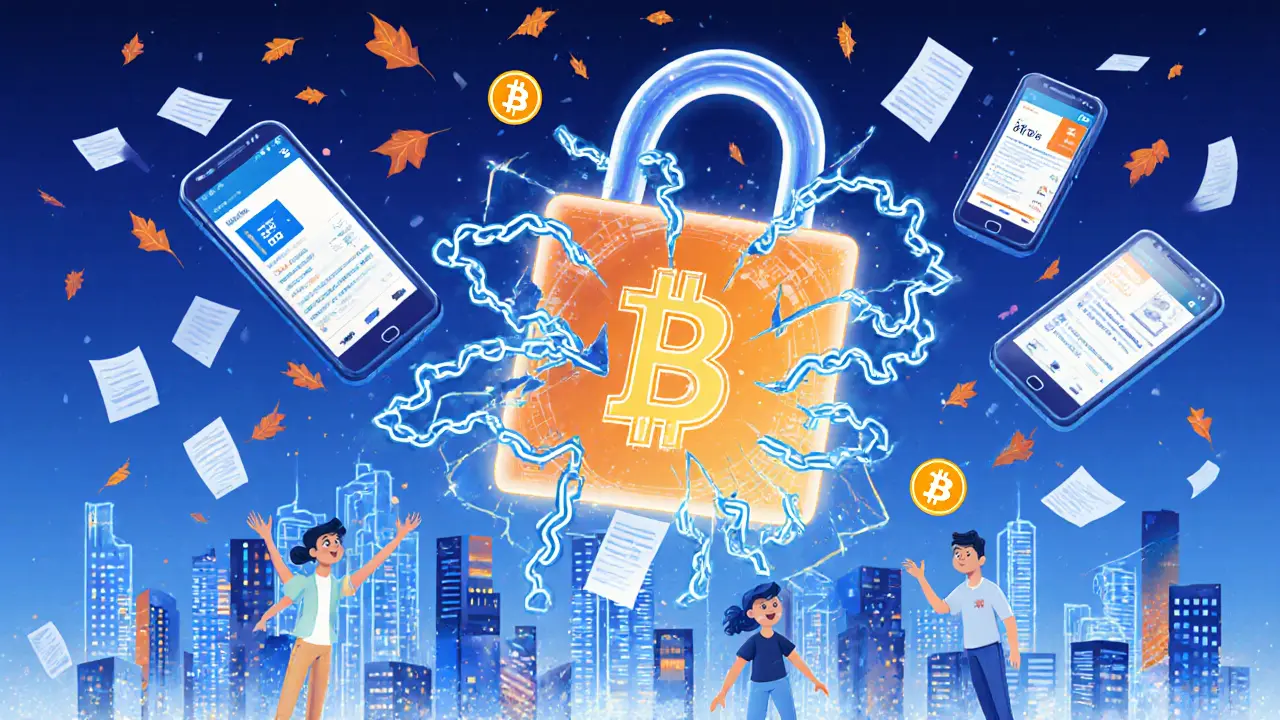
In 2025, the Philippine SEC froze $150 million in crypto assets from 20 unlicensed exchanges, impacting thousands of everyday users. Here’s what happened, who got hit, and how to protect yourself now.