Web3 Wallet: What It Is, How It Works, and Why It Matters for Crypto Users
When you use a Web3 wallet, a digital tool that lets you store, send, and manage cryptocurrency without relying on banks or third parties. Also known as a non-custodial wallet, it gives you full control over your private keys—meaning no company can freeze your funds or decide when you can access them. This isn’t just a fancy app; it’s the backbone of decentralized finance, NFTs, and blockchain-based apps. If you’re holding Bitcoin, trading on PancakeSwap, or claiming an airdrop from CoinMarketCap, you’re probably using a Web3 wallet behind the scenes.
Unlike traditional bank accounts or exchange wallets where the platform holds your crypto, a Web3 wallet, a digital tool that lets you store, send, and manage cryptocurrency without relying on banks or third parties. Also known as a non-custodial wallet, it gives you full control over your private keys—meaning no company can freeze your funds or decide when you can access them. This isn’t just a fancy app; it’s the backbone of decentralized finance, NFTs, and blockchain-based apps. If you’re holding Bitcoin, trading on PancakeSwap, or claiming an airdrop from CoinMarketCap, you’re probably using a Web3 wallet behind the scenes.
Think of it like a digital keyring. You don’t need permission to open it. You don’t need to prove your identity to use it. But if you lose the key? That’s it—your crypto is gone forever. That’s why people in India bypass restrictions using stablecoins in their wallets, why Cubans rely on Ethereum to send money across borders, and why scams like fake airdrops target users who don’t understand how these wallets really work. A Web3 wallet doesn’t care if you’re in Bangladesh, North Macedonia, or the Philippines—it just follows the rules of the blockchain.
That’s why the posts below aren’t just about coins or exchanges. They’re about what happens when people use Web3 wallets in places where banks won’t help. You’ll find real cases: how users in the Philippines lost $150 million because they trusted unregulated platforms, how fake airdrops trick people into connecting wallets to malicious sites, and why auditing firms like CertiK and OpenZeppelin matter when a wallet interacts with a smart contract. You’ll see how a wallet isn’t just a storage tool—it’s your identity, your bank, and your gatekeeper to the decentralized web.
Whether you’re new and wondering how to get started, or you’ve held crypto for years and still don’t know why your wallet keeps asking for signatures, this collection cuts through the noise. No fluff. No hype. Just what you need to know to use a Web3 wallet safely, smartly, and with real understanding.
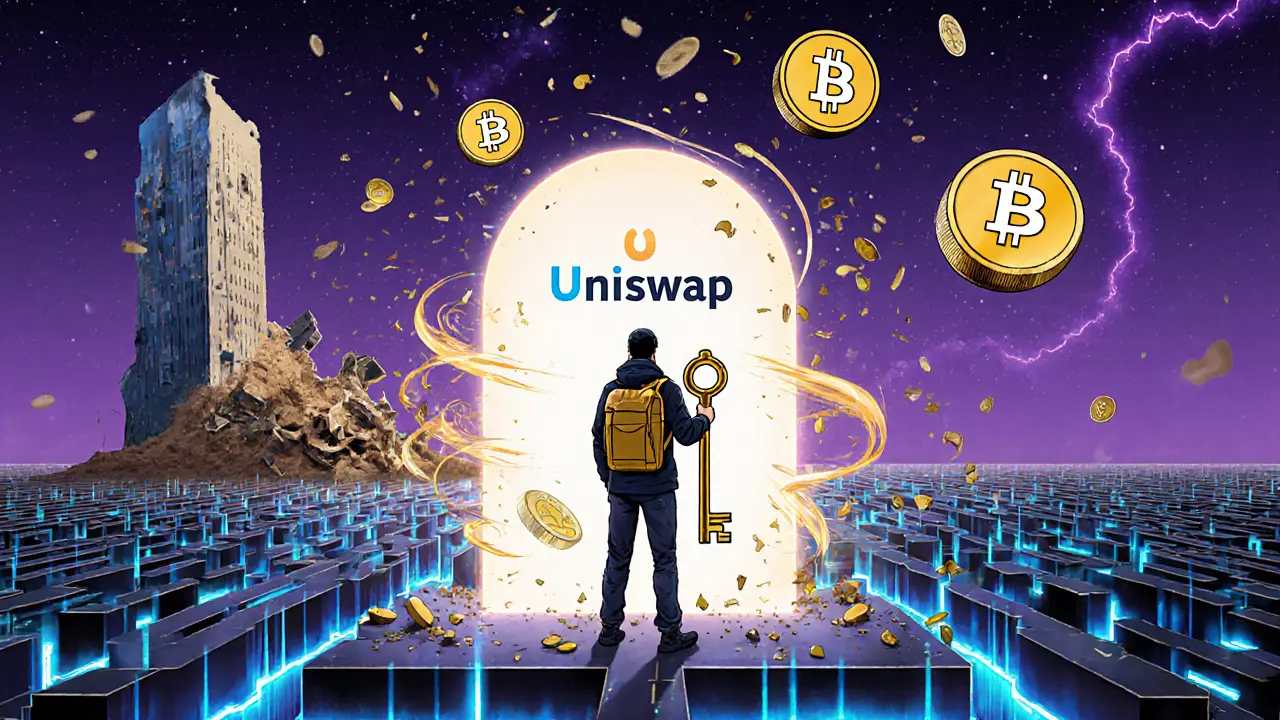
How to Use a Decentralized Exchange: A Step-by-Step Guide for Beginners
Learn how to use a decentralized exchange safely and effectively. Step-by-step guide for beginners on swapping crypto with MetaMask, avoiding common mistakes, and using Layer 2 networks to save on fees.