You’ve seen the buzz. You’ve heard whispers about the Bull Finance a decentralized finance (DeFi) protocol launching a native BULL token distribution event. The promise is simple: free tokens for early supporters. But in the world of crypto, "free" often comes with a hidden price tag-usually your time, your data, or worse, your private keys.
If you are looking to participate in the Bull Finance airdrop, you need more than just hope. You need a strategy. This isn't just about clicking a button; it's about proving you are a real user, not a bot, and doing so without falling victim to phishing scams that flood these types of events. Here is exactly how to navigate the process, what tasks actually matter, and how to protect yourself while you farm.
What Is the Bull Finance Airdrop?
Before you start connecting wallets, let’s clarify what we are dealing with. An airdrop is a marketing tool used by blockchain projects to distribute tokens to a wide audience. For Bull Finance, this serves two purposes: it distributes ownership of the protocol to its community and creates immediate liquidity for the new token on exchanges.
The BULL token is designed to be the governance and utility asset for the platform. Holders typically use it to vote on protocol upgrades, propose changes, or stake it to earn yield from the platform’s trading fees. When you participate in the airdrop, you aren’t just getting a bag of coins; you are buying into the future direction of the ecosystem. However, the value of those coins depends entirely on the project’s fundamentals and market sentiment at the time of listing.
It is crucial to distinguish between official announcements and fan-made speculation. Always verify information through the project’s official Twitter (X) account, Discord server, or website. If a source asks for your seed phrase to "verify eligibility," close the tab immediately. That is a scam.
Step-by-Step Guide to Qualifying for the Drop
Airdrops rarely happen overnight. They require consistent activity over a specific period. Here is the standard workflow for qualifying for major DeFi airdrops like Bull Finance:
- Create a Dedicated Wallet: Do not use your main wallet where you keep your life savings. Use a fresh MetaMask browser extension wallet or Phantom wallet. Fund it with only the amount of ETH or SOL needed for gas fees and minimal interaction. This limits your exposure if something goes wrong.
- Connect to the Official Platform: Navigate to the verified Bull Finance website. Look for the "Claim" or "Dashboard" section. Connect your wallet. If the site URL looks slightly off (e.g., bull-finace.com instead of bullfinance.com), stop. Typosquatting is common.
- Complete On-Chain Tasks: Most protocols reward actual usage. This might involve providing liquidity to a pool, swapping tokens, or bridging assets across chains. Each transaction costs gas, so calculate if the potential reward outweighs the cost. Don’t spam transactions; quality interactions usually count more than quantity.
- Engage Off-Chain: Social tasks are almost always required. Follow their X account, join the Discord, and perhaps retweet a pinned announcement. These tasks help build the community but offer less security against bots, which is why on-chain activity is the primary filter.
- Wait for the Snapshot: Projects take a "snapshot" of the blockchain at a specific block height. Your wallet address must have completed the required actions before this snapshot is taken. There is no way to know the exact date, so consistency is key.
Common Mistakes That Disqualify You
Many users think they qualify, only to find out they received zero tokens. Why? Usually, it comes down to three fatal errors:
- Using Sybil Addresses: Creating ten different wallets to farm the same airdrop is called Sybil attacking. Modern protocols use heuristic analysis to detect linked wallets. If they catch you, they ban all your addresses. Stick to one genuine wallet.
- Inconsistent Activity: Doing everything in one day and then disappearing looks like bot behavior. Spread your interactions out over weeks or months. Log in weekly, check the dashboard, and make small transactions if possible.
- Ignoring Tiered Requirements: Some airdrops have tiers. Tier 1 might be just following on social media. Tier 5 might require holding $10,000 in liquidity. Make sure you understand which tier you are aiming for and adjust your capital accordingly.
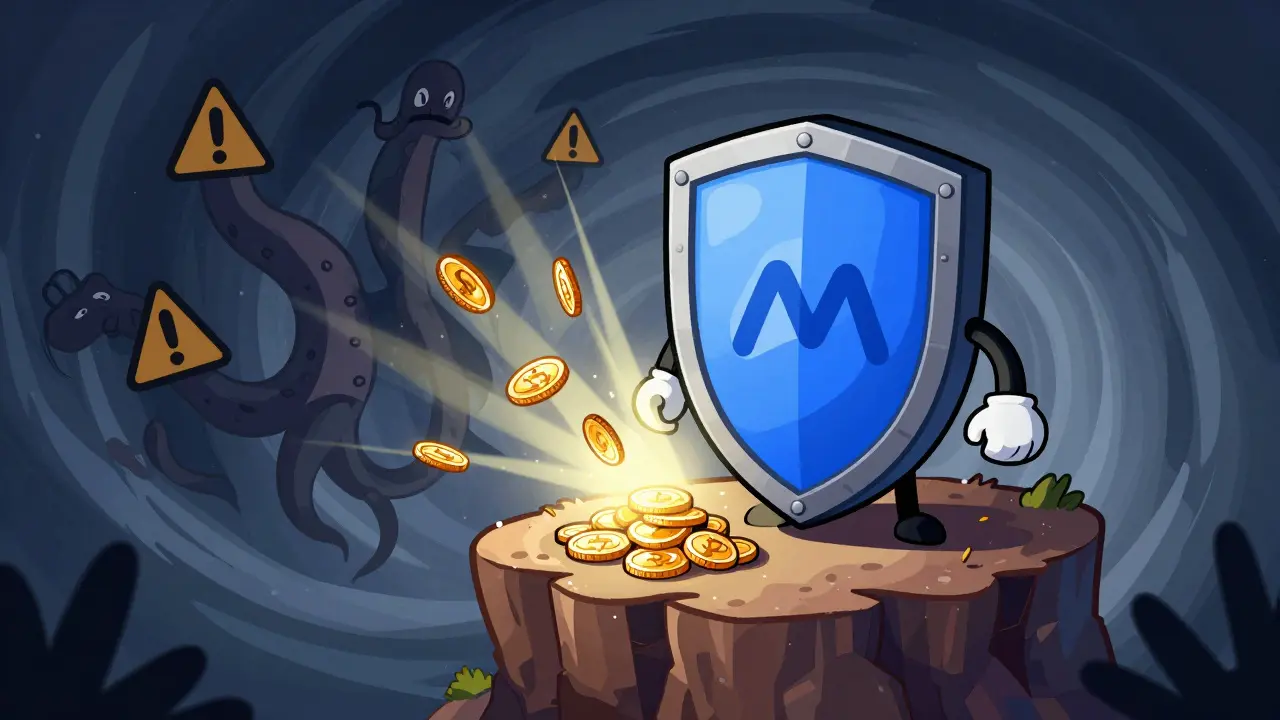
Safety First: Spotting Phishing Scams
The darker side of airdrop farming is the explosion of scams. Hackers know people are excited and vulnerable. Here is how to stay safe:
| Sign | Meaning | Action |
|---|---|---|
| Request for Seed Phrase | Immediate Scam | Disconnect wallet and block sender |
| Unsolicited DMs | High Risk | Ignore and report |
| Official Discord Announcement | Safe Source | Verify link via pinned channel |
| Urgency Tactics | Psychological Manipulation | Pause and verify independently |
Never sign a transaction that doesn’t clearly state what it is doing. If you are asked to approve an unlimited allowance for a contract you don’t recognize, revoke it immediately using tools like Revoke.cash. Remember, legitimate airdrops never ask for your private keys or seed phrases. Ever.
Tax Implications of Airdropped Tokens
Receiving free tokens sounds tax-free, but in many jurisdictions, including the United States, it is not. The IRS and other tax authorities generally view airdropped tokens as ordinary income at the fair market value on the date you receive them. This means if you receive $100 worth of BULL tokens, you owe income tax on that $100.
When you later sell those tokens, you will also owe capital gains tax on any profit made since the date of receipt. Keep detailed records of:
- The date and time of the claim.
- The number of tokens received.
- The USD value of the tokens at that exact moment.
- The cost basis when you eventually sell.
Using crypto tax software can automate this process, saving you hours of manual calculation during tax season. Ignoring this step can lead to significant penalties later.
What Happens After the Claim?
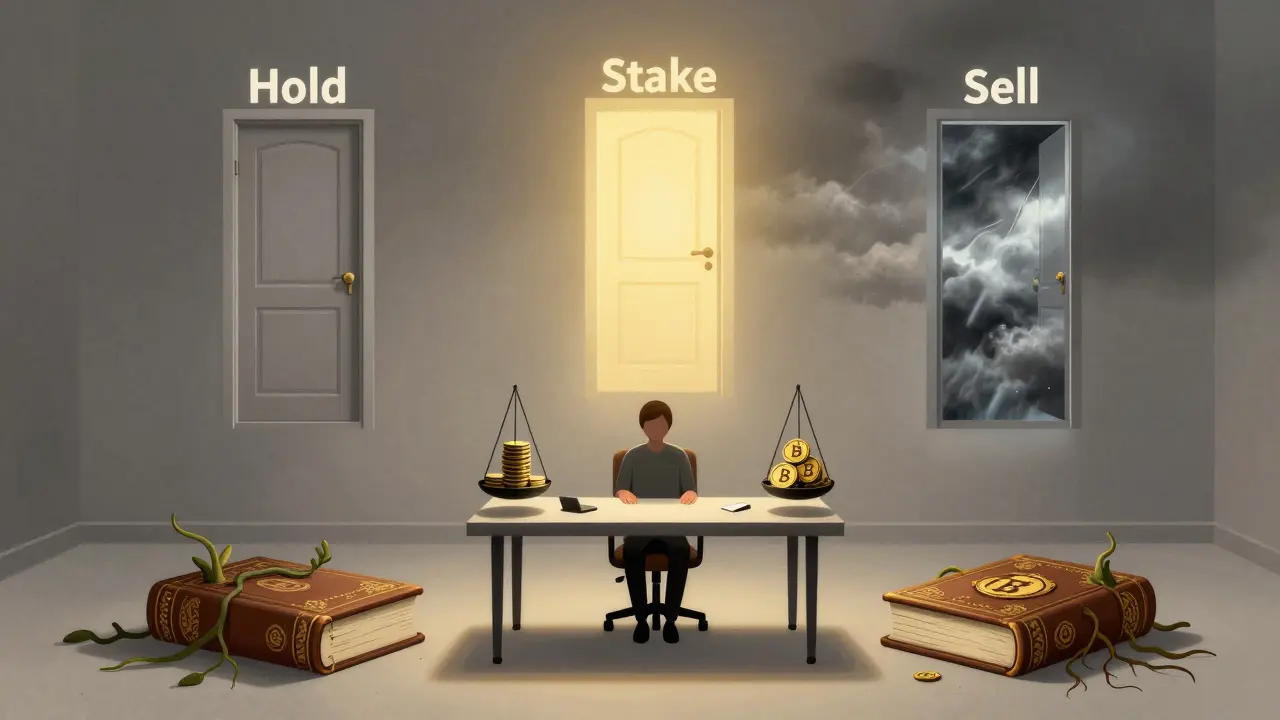
Once you claim your BULL tokens, you have several options. Holding is the simplest, but it carries market risk. Staking allows you to lock up your tokens to earn additional rewards, often in the form of more BULL or other partner tokens. Governance participation lets you vote on proposals, giving you a say in the protocol’s future. Trading provides immediate liquidity but exposes you to volatility.
Consider your risk tolerance. If you believe in Bull Finance’s long-term vision, staking and governance might be the best path. If you just want quick profits, selling immediately after the claim opens is common, though it may trigger higher taxes due to short-term capital gains rates.
Is the Bull Finance airdrop guaranteed?
No airdrop is guaranteed. Projects reserve the right to exclude sybil attackers, bots, or anyone who violated terms of service. Eligibility depends on meeting specific on-chain and off-chain criteria set by the team.
How much does it cost to participate?
Participation costs vary based on gas fees for transactions on the underlying blockchain (like Ethereum or Solana). You may need $10-$50 in ETH or SOL to cover transaction fees, depending on network congestion. Always budget for these costs.
Can I use multiple wallets to increase my share?
While technically possible, using multiple wallets (Sybil farming) is risky. Advanced detection algorithms can link wallets and disqualify all associated addresses. It is safer to focus on deep engagement with one wallet.
When will the BULL token launch?
Launch dates are subject to change. Check the official Bull Finance roadmap and announcements for the most current timeline. Never trust unofficial sources claiming specific dates without verification.
Are airdropped tokens taxable?
In many countries, yes. Airdropped tokens are often treated as ordinary income at their fair market value upon receipt. Consult a tax professional for advice specific to your jurisdiction.