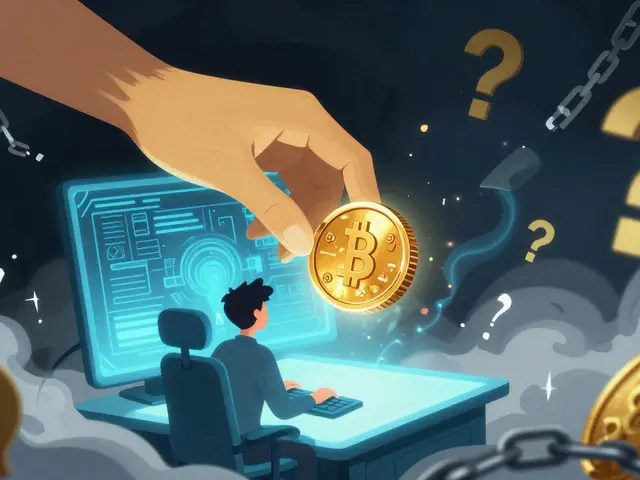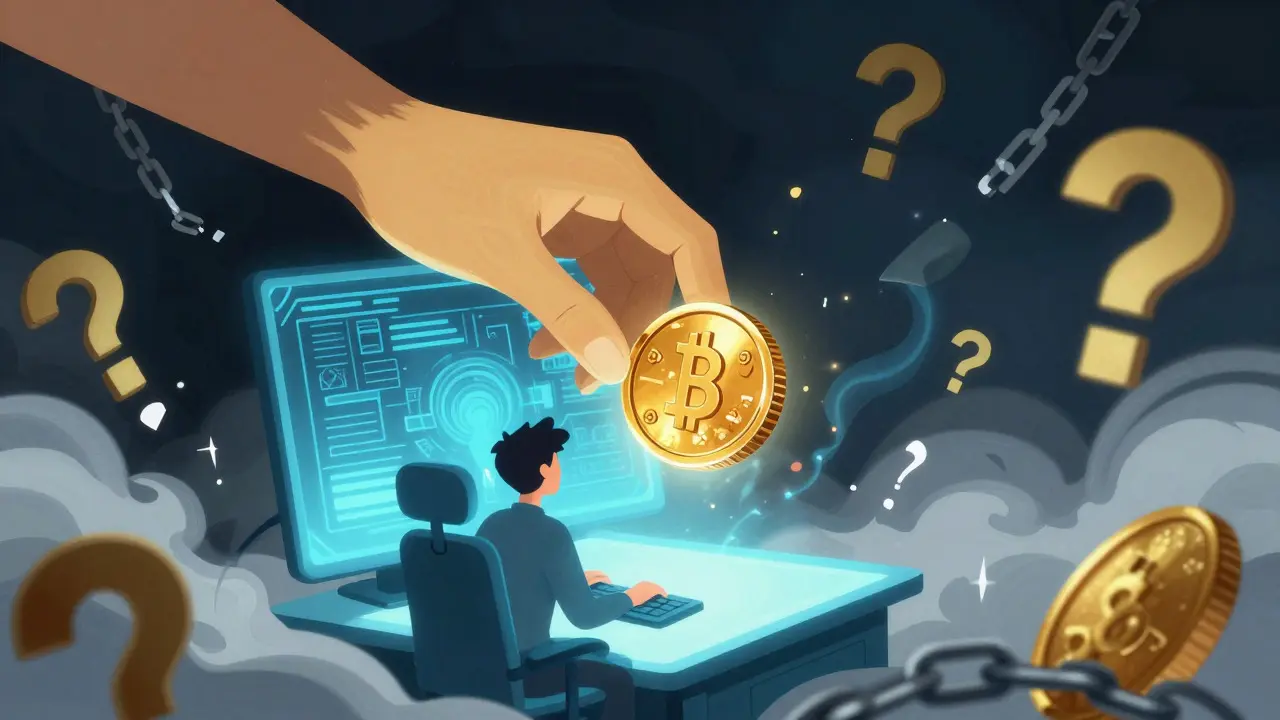
You’ve probably seen the hype. Maybe a pop-up on your browser, a DM from an account with a verified checkmark that looks slightly off, or a tweet promising free tokens just for holding a wallet address. The name is COVIDTOKEN, and the promise is usually simple: send us a tiny amount of gas fee, or connect your wallet, and you’ll receive thousands of dollars worth of tokens.
Here is the hard truth you need to hear right now. As of August 2026, there is no legitimate, widely recognized cryptocurrency project called "Covid Token" or "COVIDTOKEN" that has launched a credible airdrop. If you are looking at a website claiming to distribute these tokens, you are likely staring at a sophisticated scam designed to drain your digital wallet.
The Reality Check: Why This Project Doesn't Exist
In the world of blockchain, legitimacy isn't about what a flashy website says. It’s about data. Major tracking platforms like CoinGecko, CoinMarketCap, and specialized trackers like Airdrops.io monitor every significant token launch. In 2024 alone, notable projects like Ethena, Hyperliquid, and Magic Eden distributed billions in value. These were tracked, audited, and discussed across the entire industry.
So where is COVIDTOKEN? It’s nowhere. The absence of this project from major indices suggests one of three things:
- The project never existed.
- The project was so small and irrelevant that it vanished instantly.
- It is a phishing site mimicking a real brand to steal funds.
Scammers love using names tied to global events. "Pandemic," "Vaccine," and "Covid" are keywords that trigger emotional responses. They create a sense of urgency or community relief. Hackers exploit this psychology. When you see a token named after a major historical event without a clear, verifiable team behind it, raise your red flags immediately.
How the "COVIDTOKEN" Trap Works
If you click through to a site claiming to offer a COVIDTOKEN airdrop, here is exactly what will happen next. Understanding the mechanics helps you spot the trap before you lose money.
Step 1: The Hook The site will look professional. It might use colors similar to established medical or tech brands. It will claim that the token is "upcoming" or "pre-market." They will tell you that you qualify because you are an early supporter of crypto.
Step 2: The Connection You will be asked to connect your wallet-usually MetaMask, Phantom, or Trust Wallet. They will say this is needed to "verify eligibility." Connecting your wallet doesn't spend money yet, but it gives the scammers visibility into your assets.
Step 3: The Gas Fee Lie This is where most people get burned. The site will say, "Send 0.005 ETH to verify your address and receive 10,000 COVIDTOKENs." You think, "Okay, $10 down, $10,000 up." You send the transaction. The moment that transaction confirms, your wallet is drained. Or worse, the smart contract grants unlimited spending approval to their address, allowing them to empty your wallet later.
Step 4: The Fake Token Sometimes, they actually send you tokens. But these are worthless ERC-20 spam tokens. They have no liquidity, no exchange listing, and no value. You hold a bag of digital rocks while they keep your Ethereum or Solana.
Red Flags: How to Spot Fake Airdrops Instantly
You don’t need to be a developer to spot a scam. You just need to know what to look for. Here is a checklist to run through whenever you encounter a new airdrop claim.
| Feature | Legitimate Airdrop | Fake/Scam Airdrop |
|---|---|---|
| Verification Source | Listed on CoinGecko, CoinMarketCap, or official project blog | Only found via Twitter DMs, Telegram groups, or Google Ads |
| Cost to Enter | Free (requires past activity or task completion) | Requires sending crypto as a "gas fee" or "verification deposit" |
| Team Identity | Public founders with LinkedIn profiles and history | Anonymous team or stock photos of random people |
| Website Age | Domain registered months or years ago | Domain registered days or weeks ago |
| Smart Contract | Audited by firms like CertiK or OpenZeppelin | No audit, or code is hidden/unverified |
Notice the pattern? Real projects build trust over time. Scams rush you. If a site tells you that the airdrop ends in "2 hours," they are manipulating your fear of missing out (FOMO) to bypass your logical thinking.
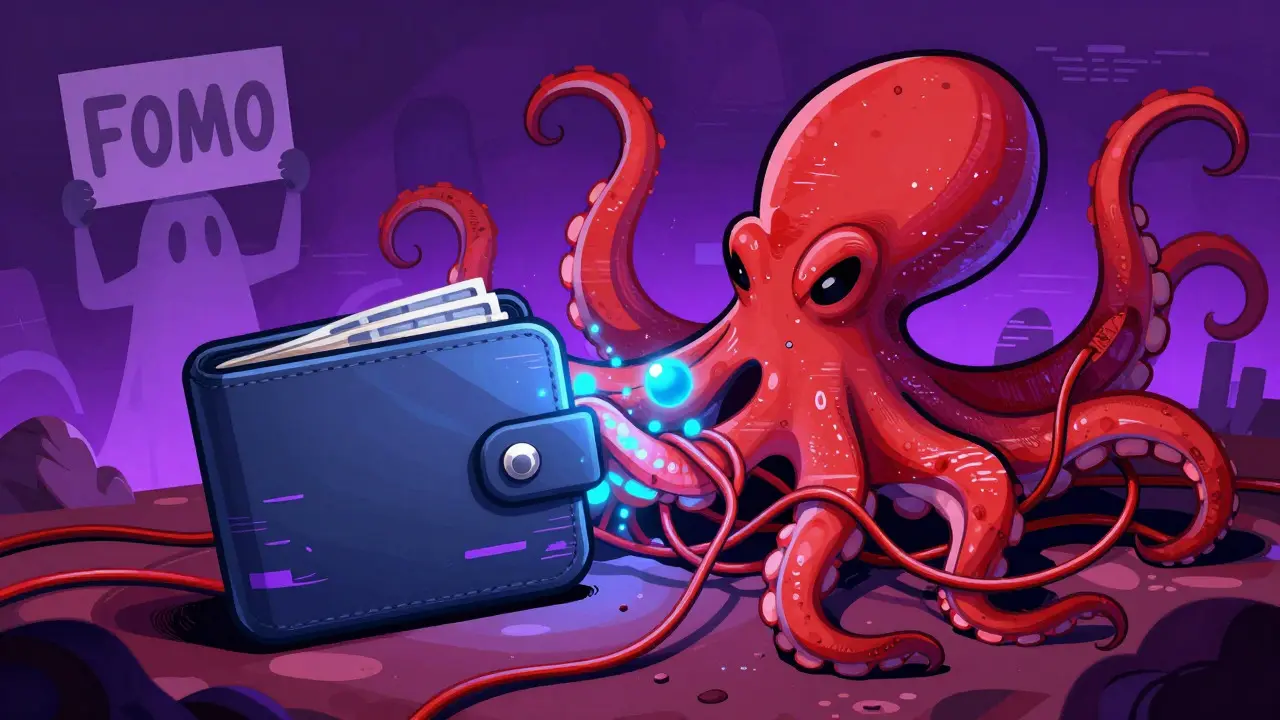
The Psychology Behind Crypto Scams
Why do smart people fall for these traps? Because the scams are engineered by psychologists, not just coders. The concept of "loss aversion" plays a huge role. When you see a potential gain of 10,000x, your brain minimizes the risk of losing $10.
Furthermore, social proof is weaponized. Scammers hire bots to comment on their posts saying, "Just received my tokens!" or "OMG this is legit!" These comments are fake, but they create an illusion of consensus. Always check the source of the news. Did the project announce it on their own GitHub repository? Or did a random influencer with 50k followers post a link?
In 2025 and 2026, we saw a rise in "sniper" scams. These are highly targeted attacks where hackers analyze your wallet history. If you interacted with a DeFi protocol six months ago, they might create a fake airdrop specifically for that protocol’s users. They know you care about that ecosystem, so they tailor the lie to fit your interests.
How to Verify Any Airdrop Safely
Before you ever connect your wallet to a new site, follow this verification routine. It takes two minutes and could save you thousands.
- Check the Domain Age: Use a tool like Whois.com. If the website for "CovidTokenOfficial.com" was created last Tuesday, close the tab. Real projects have older domains.
- Search for "Scam": Type the project name plus "scam" or "review" into Google. Look for discussions on Reddit or Bitcointalk. Real communities warn each other quickly.
- Verify Social Handles: Go to the project’s official website first. Find their Twitter/X link there. Then compare it to the link in the ad. Scammers often buy ads that look like official accounts but have slight misspellings (e.g., @CovidToken_Official vs @Covid_Token).
- Use a Burner Wallet: Never connect your main wallet-the one with your life savings-to an unverified airdrop site. Use a secondary wallet with only a small amount of gas money. If it’s a scam, you lose pennies, not your portfolio.
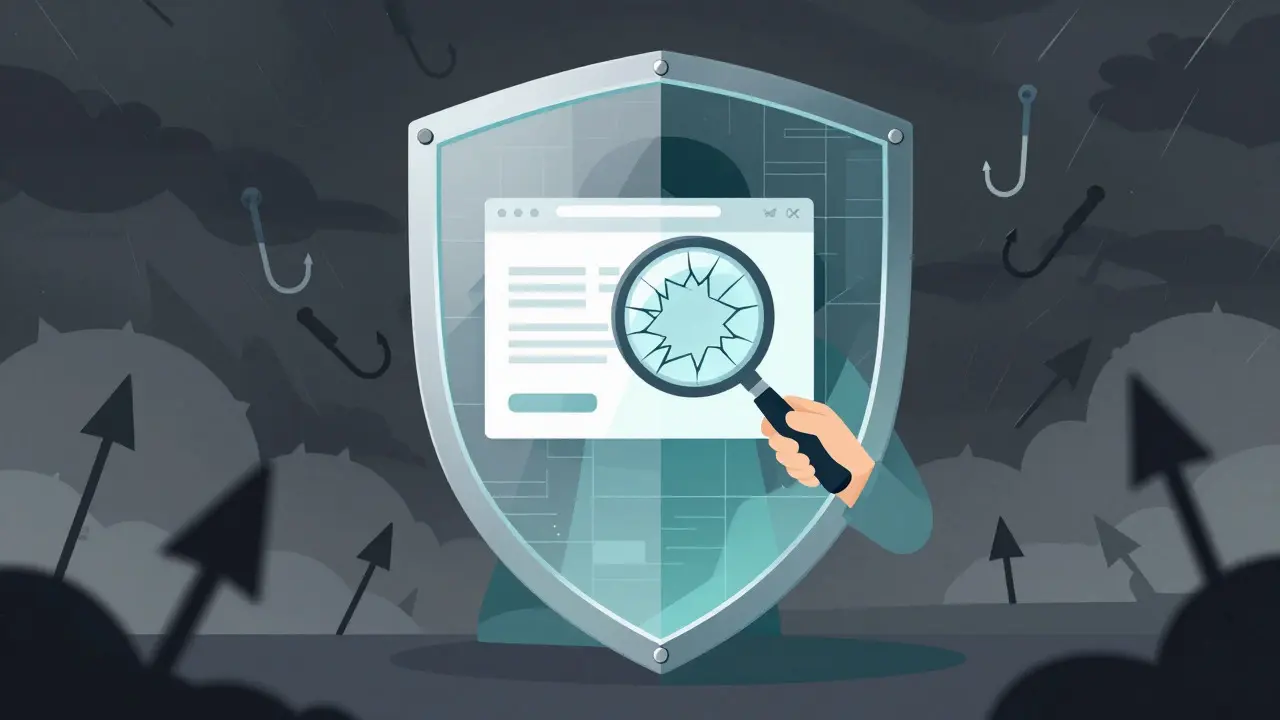
What To Do If You Already Connected Your Wallet
Panic is your enemy. If you connected your wallet to a suspicious COVIDTOKEN site, act fast.
First, disconnect the wallet from the site. In MetaMask, go to Settings > Connected Sites and remove the URL. Second, check your approvals. Visit a tool like Revoke.cash. This platform shows which contracts have permission to spend your tokens. If you see an unknown contract with "Unlimited" allowance, revoke it immediately. This stops the hacker from draining your assets later.
If you sent funds, recoverability is low, but not impossible. If the transaction went to a centralized exchange (like Binance or Coinbase) directly, contact their support team with the transaction hash. Sometimes they can freeze the funds if the account hasn't moved the money yet. If it went to another private wallet, your best bet is to report it to the blockchain explorer’s fraud reporting system, though chances of recovery are slim.
Real Airdrops vs. Noise
Not all airdrops are scams. Projects like Arbitrum, Optimism, and LayerZero gave away millions legitimately. What made them different? They required actual usage. You had to bridge funds, swap tokens, or provide liquidity. They didn't ask for a direct payment to receive tokens.
The key difference is effort versus cost. Real airdrops reward your time and interaction with a network. Fake airdrops demand your money upfront. Remember this rule: If it costs money to get free money, it’s a scam.
In the current market landscape of 2026, investors are more cautious. The era of blind clicking is over. Due diligence is your best defense. Stick to projects listed on major aggregators. Ignore the noise from obscure Telegram channels. And when it comes to COVIDTOKEN, treat it as nonexistent until proven otherwise by a reputable source.
Is COVIDTOKEN a real cryptocurrency?
As of August 2026, there is no evidence of a legitimate cryptocurrency named COVIDTOKEN or Covid Token. It does not appear on major tracking sites like CoinGecko or CoinMarketCap, suggesting it is likely a scam or a non-existent project.
How do I know if an airdrop is a scam?
Red flags include requests to send crypto as a "gas fee," websites with recently registered domains, anonymous teams, and lack of presence on major crypto data aggregators. Legitimate airdrops are usually free and require past interaction with a protocol.
Can I get my money back if I fell for a fake airdrop?
Recovery is difficult. If funds were sent to a private wallet, they are likely gone. If sent to a centralized exchange, contact support immediately with the transaction hash. Always revoke wallet approvals using tools like Revoke.cash to prevent further loss.
What are some examples of legitimate recent airdrops?
Major legitimate airdrops in recent years include Ethena, Hyperliquid, Magic Eden, Arbitrum, and Optimism. These projects rewarded users for actual network usage rather than asking for upfront payments.
Why do scammers use names like "Covid" for tokens?
Scammers use emotionally charged or trending keywords to grab attention and trigger FOMO (Fear Of Missing Out). Names related to global events create a false sense of relevance and urgency, encouraging quick, unthinking decisions.