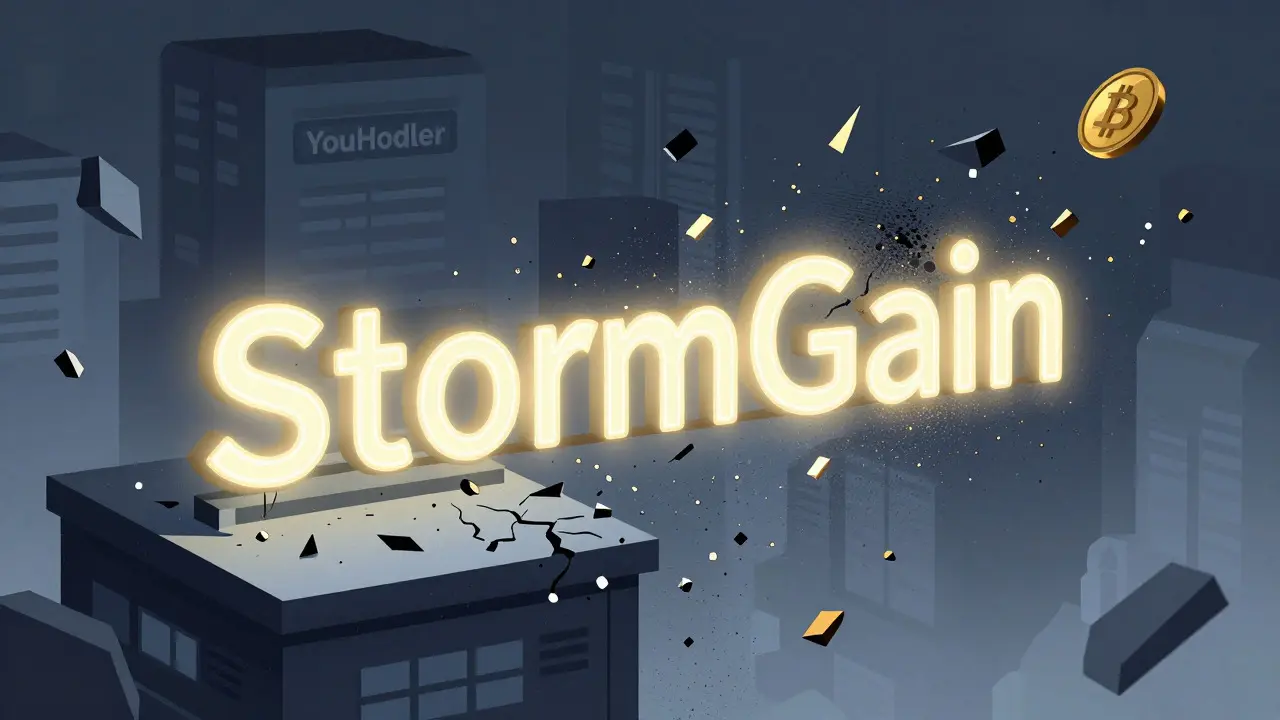
Here is the short answer you need before you click anywhere: StormGain no longer exists as an independent platform. If you are looking for a place to deposit money and trade on StormGain today, you will find nothing but a dead link or a redirect. The platform permanently discontinued its services in early 2025 after merging with YouHodler.
This might be frustrating if you clicked here hoping for a standard guide on how to use their decentralized exchange (DEX) features. However, understanding what happened to StormGain is actually more valuable than knowing how to use it. Its rise and sudden fall offer a perfect case study in the current state of unregulated crypto exchanges. For many traders, StormGain represented the "wild west" era of crypto-high leverage, no KYC (Know Your Customer) checks, and anonymity. That era is effectively over.
The End of an Era: What Happened to StormGain?
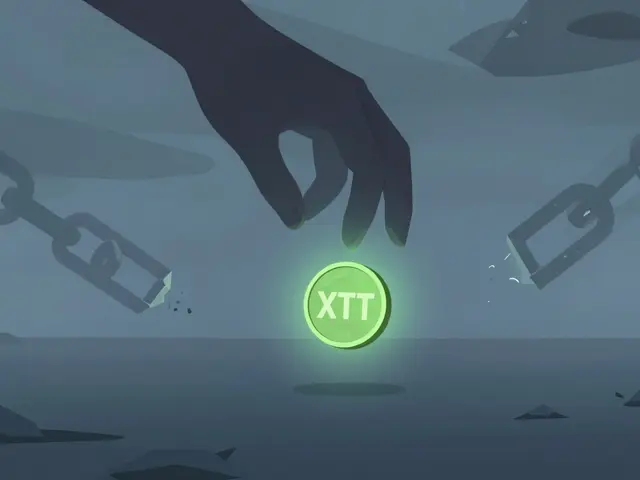
To understand why your search for a StormGain DEX review leads to a history lesson, we have to look at January 13, 2025. On that date, StormGain announced it was merging with YouHodler. This wasn't just a rebranding; it was a total shutdown of the StormGain entity. All user balances were migrated to YouHodler accounts, and the StormGain website was taken offline.
Why did this happen? The regulatory landscape changed drastically. For years, StormGain operated without strict regulation, which allowed them to offer high-risk features like 300x leverage and anonymous trading. But as governments tightened their grip on cryptocurrency-especially with regulations like MiCA in Europe-the cost of staying unregulated became too high. Merging with a more compliant entity like YouHodler was a survival move, not a growth strategy.
If you had funds on StormGain before the shutdown, they should now be accessible via YouHodler. If you are a new user trying to sign up, you are likely being directed to YouHodler's interface. This means the specific "StormGain DEX" experience you might have heard about is gone.
What Was the StormGain DEX Experience Like?
Even though the platform is closed, analyzing its DEX functionality helps us understand what traders were looking for and what they might miss. StormGain positioned itself as a hybrid between a centralized exchange (CEX) and a decentralized one. Their DEX feature allowed users to connect external wallets to trade directly on-chain, theoretically offering more privacy and control over private keys.
However, this "hybrid" approach had significant flaws. Unlike pure decentralized platforms like Uniswap, where you retain full custody of your assets at all times, StormGain’s architecture still relied heavily on their central infrastructure for liquidity and order matching. This created a confusing middle ground:
- Privacy vs. Convenience: Users could trade without KYC on the CEX side, but the DEX side required connecting a wallet, which didn't necessarily add much extra privacy since the transaction data was still visible on the blockchain.
- Liquidity Issues: Because StormGain was smaller than giants like Binance or Coinbase, the liquidity on their DEX pairs was often thin. This led to slippage-a phenomenon where the price you see isn't the price you get-during volatile market movements.
- Asset Limitations: While they supported over 80 cryptocurrencies for spot and derivatives trading, the DEX specifically offered a narrower selection compared to major AMM (Automated Market Maker) protocols.
For many users, the promise of "decentralized freedom" felt hollow because they were still trusting StormGain’s central servers to execute trades efficiently. This tension between centralization and decentralization is a key reason why pure DEXs are gaining popularity while hybrids struggle.
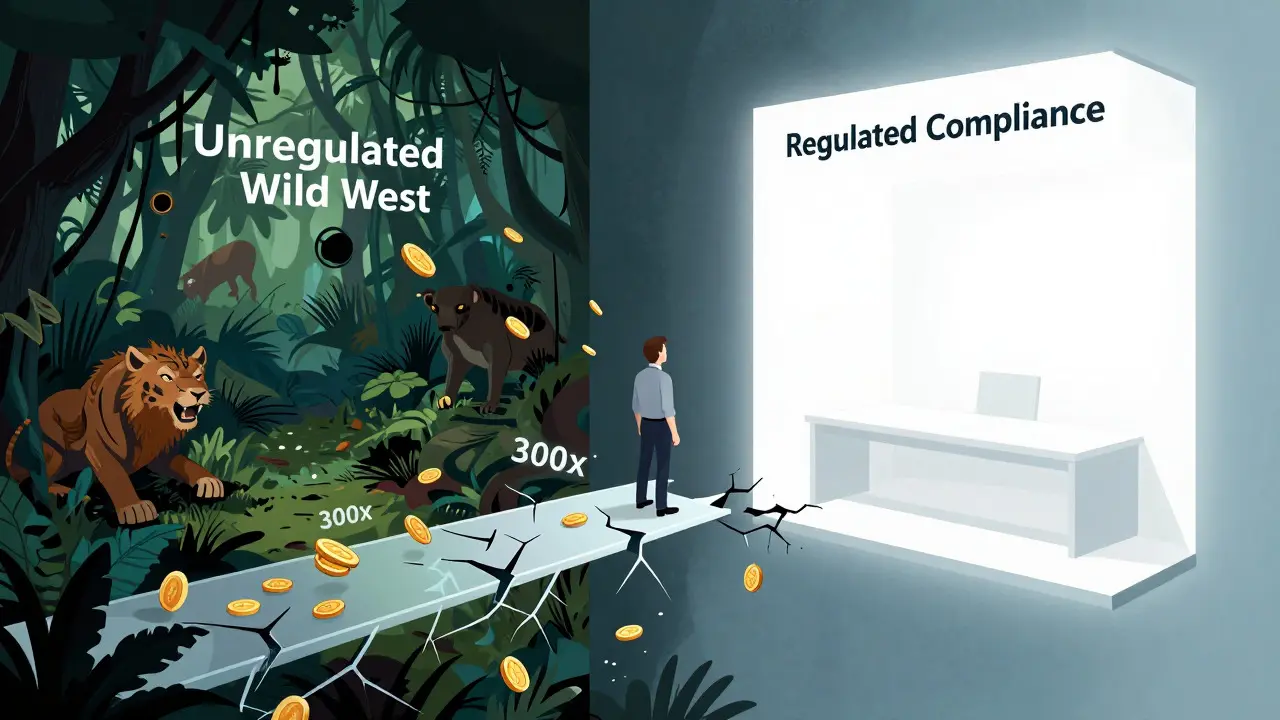
The Allure and Risk of Unregulated Trading
Before its closure, StormGain was popular for one main reason: it didn't ask for your ID. In an industry where identity theft and data breaches are common concerns, the ability to trade Bitcoin or Ethereum without submitting a passport scan was a huge draw. This appealed particularly to retail traders in regions with restrictive crypto laws, such as parts of Southeast Asia and Latin America.
But there was a catch. The lack of regulation meant less protection for you. When things went wrong-whether it was a technical glitch, a frozen withdrawal, or a customer support delay-you had nowhere to go. There was no insurance fund, no government oversight, and no recourse.
| Feature | StormGain (Historical) | Regulated Exchanges (e.g., Coinbase, Kraken) | Pure DEXs (e.g., Uniswap, PancakeSwap) |
|---|---|---|---|
| KYC Requirement | No (for basic trading) | Yes (Strict) | No |
| Max Leverage | 300x (Derivatives) | 10x - 20x (Varies by region) | Varies (Often 2x-100x) |
| User Protection | Low (Unregulated) | High (Insured/Compliant) | Self-Custody (User risk) |
| Fees | 10% of Profit Share | Maker/Taker Fees (0.1%-0.5%) | Network Gas + Protocol Fee |
| Status in 2026 | Discontinued | Active | Active |
Look at that fee structure. StormGain charged 10% of your profits. If you made $1,000, you paid $100. Compare that to a regulated exchange charging 0.1%, and the math gets expensive quickly for successful traders. This model only worked if you were losing money or making very small gains. It was a clever business model for them, but potentially costly for you.
Where Do Traders Go Now? Alternatives to StormGain
Since StormGain is gone, you need a new home for your trading. Your choice depends on what you valued most about StormGain: anonymity, high leverage, or ease of use.
1. For Anonymity: Pure Decentralized Exchanges (DEXs)
If you hated KYC, the best alternative is a true DEX. Platforms like Uniswap (on Ethereum) or PancakeSwap (on BNB Chain) require no email, no phone number, and no ID. You just connect your wallet (like MetaMask or Trust Wallet) and swap tokens.
- Pros: Total privacy, self-custody of funds, access to thousands of new tokens.
- Cons: You pay network gas fees, which can be high during busy times. You are responsible for securing your own private keys. If you lose your seed phrase, your money is gone forever.
2. For High Leverage: Specialized Derivatives Exchanges
StormGain’s 300x leverage was dangerous but attractive. If you want high leverage but with better security, look at established derivatives platforms. Binance offers up to 125x on some pairs, and Bybit is known for its robust futures engine. Note that leverage limits may vary depending on your country of residence due to local regulations.
- Pros: Deep liquidity, advanced charting tools, professional-grade execution.
- Cons: Most require KYC. High leverage increases the risk of liquidation (losing your entire position).
3. For Safety and Simplicity: Regulated Centralized Exchanges
If you want peace of mind, stick to the big names that comply with global standards. Coinbase and Kraken are publicly traded or highly audited entities. They hold licenses in multiple jurisdictions and often insure user deposits.
- Pros: Strong customer support, insured funds, easy fiat on-ramps (buying crypto with credit card/bank transfer).
- Cons: Strict KYC, lower leverage limits, fewer exotic altcoins.

Key Lessons from the StormGain Shutdown
The disappearance of StormGain teaches us three critical lessons for navigating the crypto market in 2026 and beyond.
- Regulation is Here to Stay: The days of flying under the radar are ending. Exchanges that refuse to adapt to compliance standards will either merge, shut down, or move to obscure jurisdictions where access becomes difficult. Don't bet on an unregulated platform lasting long-term.
- Not Your Keys, Not Your Coins: Even on "secure" exchanges, you don't truly own your crypto until it's in a personal hardware wallet. StormGain’s shutdown forced a migration, which carried inherent risks. Using a non-custodial wallet eliminates counterparty risk.
- Beware of Hidden Costs: The "10% profit share" model looked cheap initially but was punitive for winners. Always read the fine print on fee structures. Standard maker/taker fees are transparent; percentage-of-profit models can eat into your gains significantly.
Final Thoughts: Moving Forward Safely
So, is StormGain DEX safe? It doesn't exist anymore. But the question remains: is *your* current exchange safe? Before you deposit another dollar, ask yourself: Is this platform regulated? Where are my funds stored? What happens if they shut down tomorrow?
The crypto market has matured. We are moving away from the cowboy era of anonymous, high-leverage gambling sites toward a more structured, compliant financial ecosystem. While this means giving up some anonymity, it brings greater stability and protection for your hard-earned capital. Whether you choose a regulated CEX for convenience or a pure DEX for sovereignty, make sure you understand the trade-offs. Your portfolio will thank you.
Is StormGain still operational in 2026?
No. StormGain permanently discontinued its services in early 2025 following a merger with YouHodler. The website is no longer active, and all trading functions have ceased.
Where did my StormGain funds go?
During the merger process in early 2025, all user balances were transferred to YouHodler accounts. If you had funds on StormGain, you should log in to YouHodler to access them. Check your email for migration instructions sent by StormGain prior to the shutdown.
What is the best alternative to StormGain for anonymous trading?
For truly anonymous trading, pure decentralized exchanges (DEXs) like Uniswap, SushiSwap, or PancakeSwap are the best options. They do not require KYC verification. You simply connect a self-custody wallet like MetaMask to trade directly on the blockchain.
Was StormGain safe to use before it closed?
StormGain was considered relatively safe in terms of technical security (no major hacks reported), but it carried high regulatory risk. As an unregulated entity, users had little legal recourse if the platform failed or froze withdrawals. Its eventual shutdown highlights the instability of unlicensed exchanges.
How did StormGain's fee structure work?
Unlike most exchanges that charge a flat percentage per trade, StormGain used a profit-sharing model. They took 10% of your realized profits from successful trades. If you lost money, you paid nothing. This model favored losing traders but was expensive for consistent winners.




Ed Wallace
July 29, 2026 AT 05:36It is fascinating to observe how the regulatory tide has finally turned the tables on these shadowy entities. The merger with YouHodler feels less like a strategic pivot and more like a desperate grab for legitimacy before the noose tightened completely. I often wonder if the anonymity that drew so many traders was truly freedom or just a temporary blind spot in the global financial net.
Ed Mitchell
July 30, 2026 AT 04:41The narrative of 'regulation' is merely a convenient veil for the centralization of power by entrenched interests. StormGain did not fail because it was unregulated; it was crushed because it refused to kneel before the digital panopticon. They forced the migration to YouHodler to ensure every transaction is now tracked, taxed, and controlled by the very institutions they claim to protect us from. It is a coordinated effort to strip the individual of sovereignty under the guise of safety.
Michael Mostyn
July 31, 2026 AT 12:22One must consider the structural implications of such a merger. The transition from an unregulated entity to a compliant one suggests that the market is correcting itself towards stability, albeit at the cost of privacy. The question remains whether this new equilibrium offers genuine security or merely a different set of vulnerabilities.
Erica Johnson
July 31, 2026 AT 18:34Oh please, let's not pretend StormGain was some noble underdog fighting the system. They were a casino that took a cut only when you won, which is basically a tax on success disguised as a fee structure. Most people there were losing their shirts anyway, so who really cares? The whole platform was built on shaky foundations and vanity metrics. It’s about time someone put them out of their misery. :)
Pernelia Wahkan
August 1, 2026 AT 02:59I’ve been digging into the technical specifics of their hybrid model, and it’s quite illuminating. The way they bridged the gap between CEX convenience and DEX privacy was always fraught with contradictions. Essentially, you were trusting their servers to execute off-chain trades while pretending your keys were safe elsewhere. It’s a classic case of false dichotomy in crypto architecture. For those looking to replicate that experience without the baggage, exploring Layer-2 solutions on Ethereum might offer a more robust alternative. The liquidity depth on pure DEXs has improved drastically since the days of thin order books.
Joshua Hofford
August 2, 2026 AT 17:27Look, change is hard, but it’s also necessary. We are moving into a new era where transparency isn’t just a buzzword but a requirement for survival. Sure, we lose some of that wild west charm, but think about the peace of mind. No more worrying if your exchange will vanish overnight. It’s a step forward for the industry, even if it feels like a step back for the anarchists among us. Let’s embrace the maturity of the market rather than mourning its infancy.
Marcia Albert
August 3, 2026 AT 17:15I just sit here watching the chaos unfold. It’s almost poetic how these platforms rise on hype and fall on regulation. I remember trading there when it felt like the whole world was ignoring them, and now they’re just a footnote in a merger deal. The money moves on, regardless of the brand name. I suppose that’s the nature of the beast.
Emma Smith
August 4, 2026 AT 14:33the whole concept of self custody is a myth sold to retail users who dont understand smart contract risks anyway... stormgain was just another layer of abstraction that failed because the underlying infrastructure was never designed for scale... why do people keep chasing decentralization when they just want higher leverage and easier ui... it is cognitive dissonance at its finest... the migration to youhodler proves that centralization is the only viable path for mass adoption... stop romanticizing the chaos
Rita Dutta
August 6, 2026 AT 07:55Actually the profit sharing model was genius for losers but terrible for winners, typical asymmetric risk structure. Most users didnt even realize they were being nickel and dimed until it was too late. The regulatory pressure was inevitable but the execution of the shutdown was messy. I have seen better transitions in legacy banking systems which are supposed to be slow and bureaucratic. It shows how little respect these crypto startups had for their user base in the end. Just another cautionary tale about trusting opaque entities with your capital.