
The Truth About "Curve Gnosis" Trading
There is a widespread misunderstanding in the crypto community regarding a product called "Curve (Gnosis) crypto exchange." If you are searching for a centralized platform where you can sign up with an email and deposit cash to buy GNO or swap stablecoins instantly, that specific platform does not exist. Instead, what you are likely looking for is the Curve Finance, which operates as a decentralized exchange (DEX) deployed directly on the Gnosis Chain. This setup combines the stability-focused swapping protocols of Curve with the low-fee, high-speed infrastructure of the Gnosis network. As we navigate through 2026, understanding this technical distinction is vital because it dictates your user experience, security risks, and cost efficiency.
When traders refer to trading on "Curve Gnosis," they are accessing a smart contract-based liquidity pool that allows for the efficient swapping of stablecoins like USDC, DAI, and EURT directly on the blockchain. Unlike traditional exchanges where a company holds your funds, here you connect a Web3 wallet like MetaMask or Argent and interact directly with the protocol. To help you decide if this route is viable for your portfolio strategy, we need to dissect how the mechanics work, how the fees compare to Ethereum mainnet, and whether the liquidity depth supports your trade size in the current market environment.
How Curve Integrates With Gnosis Infrastructure
To understand why this pairing works so well for many users, we first have to look at the architectural fit. Curve Finance is a decentralized exchange designed primarily for stablecoin trading. Its algorithm minimizes slippage when swapping assets with similar values, such as USD-backed stablecoins. On the other hand, the Gnosis Chain is an Ethereum-compatible blockchain known for its low transaction costs and fast confirmation times, formerly known as xDai Chain until rebranding occurred earlier in the decade.
By hosting Curve's smart contracts on the Gnosis Chain, developers enable users to perform swaps with negligible gas fees compared to Ethereum Mainnet. While a trade on Ethereum could cost $20 to $50 during congestion in late 2025, the same action on Gnosis typically costs less than one cent. This economic advantage makes it particularly attractive for smaller traders who want to rebalance their stablecoin holdings frequently without eating into profits via fees. The integration relies heavily on the interoperability of the ERC-20 standard, ensuring that wallets recognize these tokens seamlessly across bridges.
User Experience and Interface Navigation
Navigating the interface requires a slight shift in mindset compared to apps like Coinbase or Binance. You aren't logging into an account; you are connecting a digital identity. Once you access the Curve website and switch the network selector to Gnosis, the dashboard presents liquidity pools ranked by Total Value Locked (TVL).
- Pools: The core feature. You select a pair like USDC/DSE or wstETH/ETH depending on what you wish to swap.
- Limits: You set parameters for maximum price impact to avoid unfavorable execution prices.
- Wallet Connection: Essential tools like WalletConnect support hardware devices like Ledger, adding a layer of physical security to your transactions.
In terms of visual design, the 2026 version maintains a clean, minimalist aesthetic typical of DeFi apps. It prioritizes functionality over flair. The loading speed is notably faster on Gnosis due to the chain's underlying architecture, meaning blocks validate quickly. For someone used to waiting 20 seconds for a transaction to confirm on slower networks, the near-instant feedback loop here feels almost instantaneous.

Fee Structure and Cost Efficiency
Fees are the primary driver for choosing Gnosis over Ethereum or Layer 2 solutions like Arbitrum or Optimism. The total cost of your trade includes two components: the network gas fee paid to validators and the protocol fee paid to the liquidity pool.
| Metric | Curve on Gnosis | Uniswap on Ethereum | Curve on Ethereum |
|---|---|---|---|
| Average Swap Cost | $0.02 - $0.05 | $15 - $60 | $8 - $45 |
| Transaction Time | < 3 Seconds | 15 - 120 Seconds | 15 - 120 Seconds |
| Slippage Tolerance | Low (0.05%) | High during volatility | Medium |
| Bridge Requirements | Yes (from ETH) | No (Native ETH) | No (Native ETH) |
As shown in the table above, the cost savings are drastic. However, there is a catch. To get assets onto the Gnosis Chain, you often need to bridge them from Ethereum or another source. Bridging incurs its own time delay (often 15 minutes to hours depending on the bridge used) and variable fees. If you already hold GNO tokens or stablecoins natively on the Gnosis network, the swapping experience is unbeatable. If you are starting fresh, factor in the bridge cost before initiating trades.
Security Risks and Protocol Audits
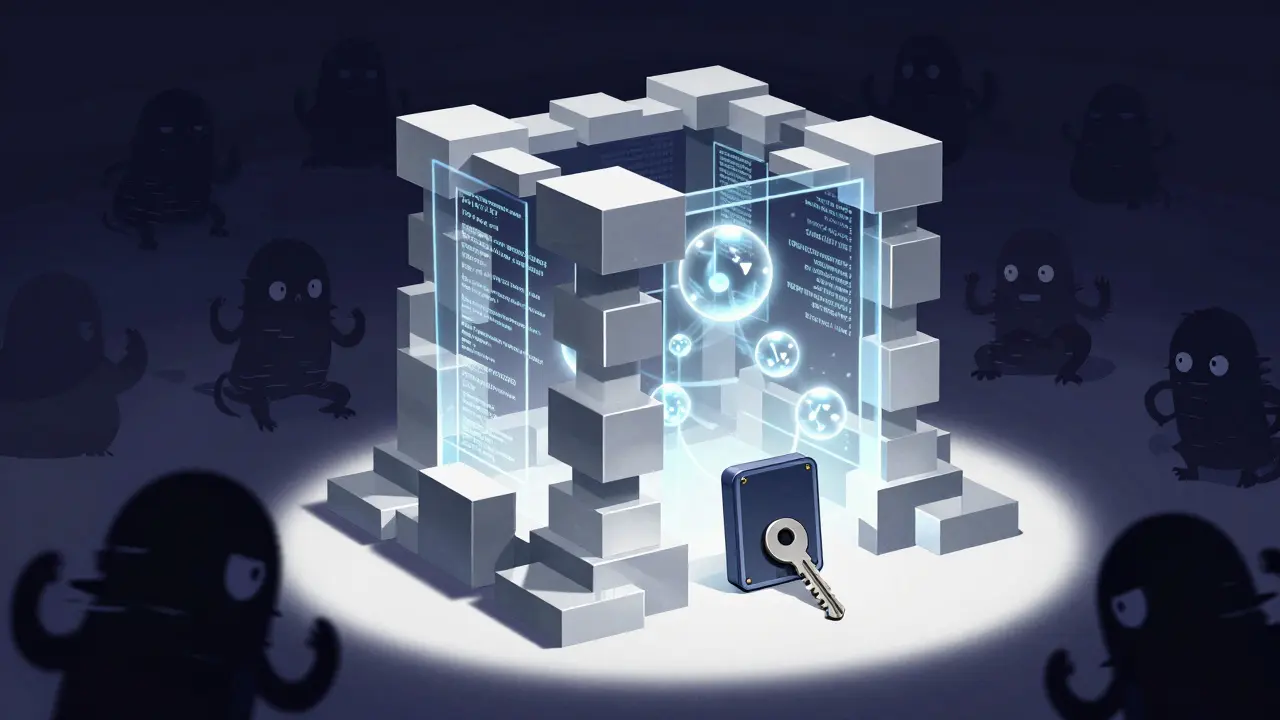
In the world of DeFi, code is law. If the smart contract has a bug, funds can be drained without recourse. Smart Contracts are self-executing agreements with the terms of the agreement directly written into lines of code. Curve Finance has undergone rigorous auditing since its inception. The protocol on Gnosis has been stress-tested against exploits common in the industry.
However, risks remain specific to the asset classes involved. Since Curve focuses heavily on stablecoins, vulnerabilities in the peg mechanisms of those tokens can affect the pool. For instance, if a synthetic stablecoin depegs unexpectedly, the liquidity pool absorbs that loss, potentially affecting all deposers. Furthermore, the governance token GNO Token is a governance token for the Gnosis DAO used to vote on protocol changes, currently trading within a range of $118 to $134 as of early 2026. Volatility in governance voting can impact future upgrades to the protocol. Always keep the majority of your capital in cold storage and treat the funds in any DEX as active operating cash rather than long-term savings.
Liquidity Depth and Market Availability
For institutional players or whales, liquidity is king. Can you sell $1 million worth of USDC without crashing the price? The answer depends on the specific pool. The major stablecoin pools on Curve Gnosis generally maintain TVL figures sufficient to handle mid-sized retail trades comfortably. During periods of extreme market volatility in 2025, however, liquidity sometimes drains to Ethereum mainnet seeking safety.
The availability of pairs is more limited than on a CEX. You won't find obscure meme coins paired with stablecoins easily. You are mostly dealing with established assets: USDC, DAI, WETH, and WBTC. If you need niche assets, you may have to hop off to another chain or bridge back to Ethereum. This limitation is a trade-off for the security and speed benefits.
Comparison With Alternative Solutions
Why not just use Uniswap or a centralized exchange like Kraken? Uniswap on Gnosis offers broader asset variety, including tokens without a direct stablecoin peg. But for swapping USDT to USDC specifically, Curve remains superior due to its bonding curve algorithm, which keeps slippage minimal even during heavy volume events.
Centralized exchanges offer fiat on-ramps. If you are trading directly with bank transfers or credit cards, you need a platform with banking compliance licenses. Curve Gnosis requires you to already possess crypto. It acts as a tool for managing digital assets, not necessarily a gateway to enter the market for newcomers without existing holdings.
Frequently Asked Questions
Is Curve (Gnosis) safe to use for large amounts?
The protocol itself is audited and secure, but risk comes from connected wallet security. Never store your entire life savings in a hot wallet connected to a DEX. Use hardware wallets and stick to established pools like 3pool to minimize smart contract risk.
Can I withdraw money directly to my bank account?
No, Curve is a non-custodial platform. To withdraw cash, you must first bridge assets back to Ethereum or another supported chain and then sell them on a compliant exchange that offers fiat withdrawal options.
What happens to my funds if I get disconnected?
Your funds are not lost. They reside in your wallet contract or the liquidity pool contract on the blockchain. You can regain access by restoring your seed phrase on a new device or browser.
Does Gnosis Chain require GNO to pay gas fees?
Yes, you need GNO tokens to pay for network gas on the Gnosis Chain. Fortunately, you only need a small amount to cover many transactions, costing pennies per trade.
How do I transfer assets from Ethereum to Curve Gnosis?
You use a cross-chain bridge like the official Gnosis Bridge. Send your tokens to the bridge address on Ethereum, and they will appear on the Gnosis Chain after a few minutes of verification.

Alex Kuzmenko
March 31, 2026 AT 09:10the gas fee thing is huge because i tried swapping on mainnet last week and paid forty bucks for nothing
people forget about the bridge cost when they move assets over though and that can eat profits if you dont plan ahead
i usualy keep a small stash of gno tokens on the chain just so i can transact faster without waiting on confirmations
it saves time during volatile markets when slippage matters most
you really have to watch out for the peg stability on stablecoins too
sometimes they deviate slightly and its annoying to see your balance shift
but overall the speed on gnosis feels like magic compared to eth
i hope more projects migrate there soon since costs are killing small traders
just make sure you test with small amounts before moving your entire stack over
trust me on that because bridges can fail sometimes
Elizabeth Akers
April 2, 2026 AT 02:09it works so smooth now and i love how fast blocks are confirming
never had issues with connection or load times either
feels much lighter than using any centralized app
really nice experience for daily swaps
Alex Lo
April 3, 2026 AT 00:12i have been testing the liquidity pools extensively for the past month and the depth is actually quite impressive considering the TVL numbers we see on the dashboard
most people worry about slippage but the bonding curve algorithm keeps prices very tight even when volume spikes occur suddenly
you might notice that some obscure pairs drain quickly during high volatility events though and that limits what you can trade efficiently
i recommend sticking to the major stablecoin pools like three pool because they maintain the deepest liquidity buffers consistently
bridging assets takes patience because the verification process on the layr two network requires multiple signaturs before completion
always verify the contract address before interacting since rug pulls still happen in decentralized finance environments every single day
security audits help but code vulnerabilities can hide in upgradeable contracts that administrators control remotely
i prefer keeping my hardware wallet disconnected after signing transactions to minimize exposure to potential phising attacks
the interface design has evolved significantly since the earlier versions launched back in twenty twenty four
navigation is intuitive enough for new users but power features remain hidden under advanced settings menus
gas estimation is accurate which means you rarely waste tokens on failed transactions due to incorrect priority fees
community governance voting gives token holders real influence over protocol upgrades and parameter adjustments eventually
this creates a sense of ownership that centralized exchanges simply cannot replicate for retail investors anymore
i believe adoption will grow if educational content explains smart contract risks better than generic news articles currently do
everyone needs to understand that self custody means full responsibility for seed phrase management and recovery
keeping track of updates is essential for long term safety here
Jay Starr
April 4, 2026 AT 05:04the risk factor remains higher than traditional banking systems despite all the auditing claims made by developers
we saw how easily funds get drained when a single logic error slips through the review process
sleeping with one eye open is necessary whenever dealing with non custodial protocols like this one
i personally limit my exposure to what i am willing to lose completely in case of an exploit event
emotional damage from losing savings is harder to recover from than missing a trade opportunity
Joy Crawford
April 5, 2026 AT 05:10totally worth trying out for low cost trades :)
Beverly Menezes
April 7, 2026 AT 04:12yes it helps a lot to save money on fees each time
i agree that trying small amounts first is smart advice
we want to stay safe while we learn the new tools together
keep being careful but also enjoy the benefits you find there
Ronald Siggy
April 7, 2026 AT 19:49you must secure your private keys before connecting any web browser extension to this platform
do not compromise on the basics of digital asset management regardless of how cheap the transaction fees are
set up multi signature wallets if you intend to store significant value within the liquidity pools long term
i insist on everyone reading the documentation thoroughly before depositing any capital into the system
confidence comes from knowledge not luck when navigating decentralized networks in 2026