Bitcoin Cuba: What's Really Happening with Crypto in Cuba
When people talk about Bitcoin Cuba, the use of Bitcoin and other cryptocurrencies by Cuban citizens to access global finance despite economic isolation. Also known as Cuban crypto adoption, it’s not just a trend—it’s a survival tool for millions. Cuba’s economy has been squeezed for decades by U.S. sanctions, a failing state-run currency, and limited access to international banking. In this environment, Bitcoin isn’t a speculative asset—it’s a lifeline.
Unlike countries where crypto is a luxury for tech-savvy investors, in Cuba, it’s used by teachers, mechanics, and small vendors to buy food, pay for medicine, or send money home. They don’t trade Bitcoin for profit—they trade it to get what the state won’t provide. The Cuban cryptocurrency, the informal network of digital currency use across the island, often centered on Bitcoin and USDT. Also known as Cuban crypto ecosystem, it operates outside official channels but is tolerated because the government has no real way to stop it. Peer-to-peer platforms like LocalBitcoins and Paxful became essential after the 2020 peso devaluation. People trade cash for crypto in parking lots, cafés, or even on the street. No bank account? No problem. Just meet someone with a phone and a wallet.
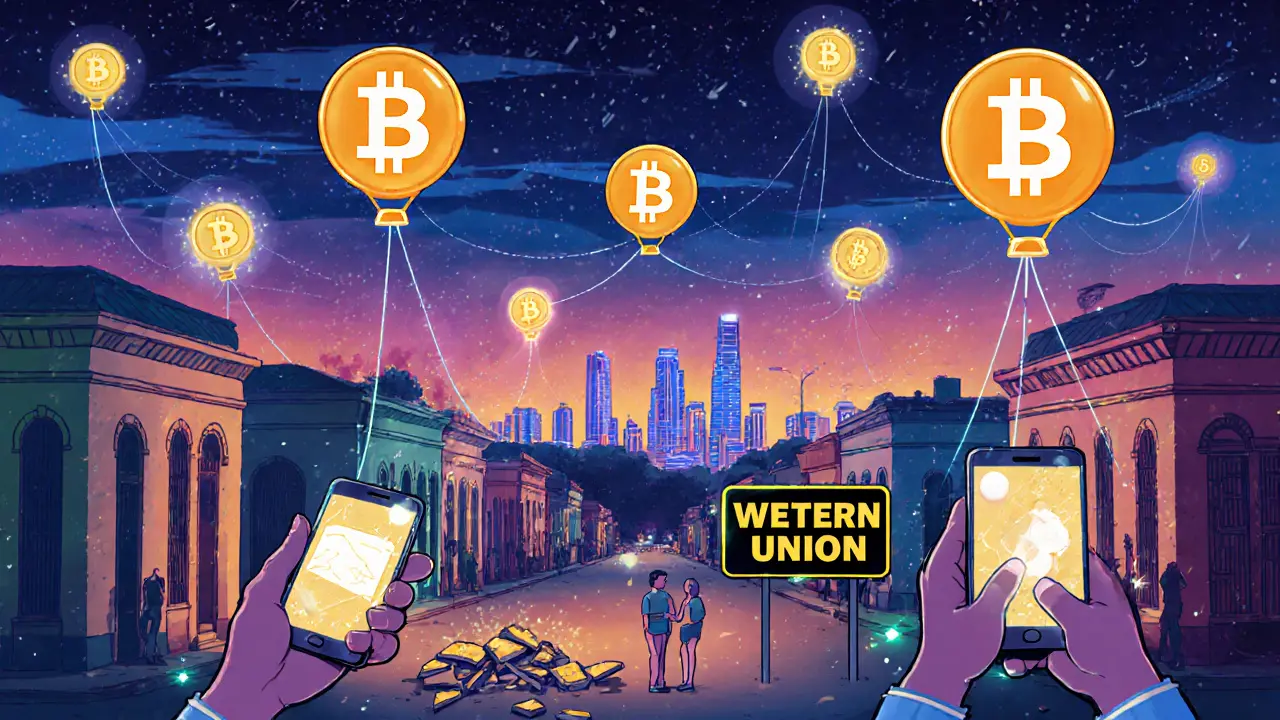
There’s no official ban on crypto in Cuba, but there’s also no legal framework. The government watches, sometimes cracks down on large operations, but mostly turns a blind eye. Why? Because crypto keeps the economy moving. Remittances from abroad—critical for Cuban households—have shifted from Western Union to crypto wallets. A family in Havana might get $50 in USDT from a relative in Miami, then swap it for pesos on the black market to buy rice or pay the electric bill. This isn’t theory. It’s daily life.
The crypto regulations Cuba, the patchwork of unofficial rules and enforcement actions that shape how crypto is used on the island. Also known as Cuban crypto policy, it’s less about control and more about damage limitation. The state has tried to launch its own digital currency, the Digital Peso, but it’s clunky, slow, and only works inside Cuba. Bitcoin? It works anywhere. That’s why it’s winning.
What you’ll find in the posts below isn’t hype or speculation. It’s real stories, real risks, and real people using crypto to get by. You’ll see how Cubans avoid scams, what tools they trust, and why some get caught while others stay under the radar. This isn’t about getting rich. It’s about staying fed. And in Cuba, that’s the most valuable crypto reward of all.
How Cubans Are Using Crypto Despite Government Restrictions
Cuba legalized cryptocurrency to bypass U.S. sanctions that cut off access to banks and remittance services. Now, over 100,000 Cubans use Bitcoin and Ethereum to send money, buy goods, and survive economically - all under a strict government-regulated system.