Crypto Adoption in Cuba: How People Use Bitcoin Despite Restrictions
When crypto adoption in Cuba, the grassroots use of digital currencies to bypass financial controls and inflation. Also known as decentralized finance in restricted economies, it's not about speculation—it's about survival. In a country where salaries are paid in pesos that lose value daily, and banks block international transfers, ordinary Cubans have turned to Bitcoin, USDT, and other stablecoins to buy food, medicine, and send money home. This isn’t a trend. It’s a necessity.
Unlike India or Nigeria, where crypto adoption is driven by young entrepreneurs and tech-savvy users, Cuba’s movement is quieter, more desperate, and deeply personal. People use WhatsApp and Telegram to arrange P2P trades with strangers in Havana, Santiago, or Miami. They trade cash for crypto through informal meetups, often in parking lots or cafés, avoiding any traceable digital footprint. The government doesn’t officially ban crypto—it just makes it hard to use banks or exchanges. So Cubans built their own system: no KYC, no apps, just trust and a QR code.
This isn’t just about money. It’s about access. Crypto lets Cubans pay for online courses, buy software licenses, and even order parts for broken appliances from international sellers. Stablecoins like USDT act as a bridge between the island and the global economy. When the peso crashes, USDT holds steady. When the grid goes down, a phone with a wallet still works. And when remittances from abroad are delayed for weeks, crypto arrives in minutes. This is P2P crypto Cuba, peer-to-peer cryptocurrency trading outside official channels. Also known as cash-for-crypto networks, it’s the backbone of survival finance on the island. Even the state-run telecom provider ETECSA has quietly enabled crypto transactions by allowing users to pay for data packages with crypto wallets—something no other government has done.
Meanwhile, scams are everywhere. Fake airdrops, fake exchanges, and fake wallet apps target Cubans who are desperate for help. Many lose their savings because they don’t know how to verify a real wallet from a fake one. That’s why the real story isn’t just about adoption—it’s about education. People are learning on their own: how to use MetaMask, how to read a blockchain explorer, how to spot a phishing link. And they’re teaching each other. In small groups, in homes, over Bluetooth file transfers, the knowledge spreads.
What you’ll find in the posts below are real examples of how crypto works in places where banks won’t. From underground trading networks in North Macedonia to frozen assets in the Philippines, these stories all connect to one truth: when traditional systems fail, people turn to blockchain. Cuba isn’t an exception. It’s a preview of what’s coming for millions more.
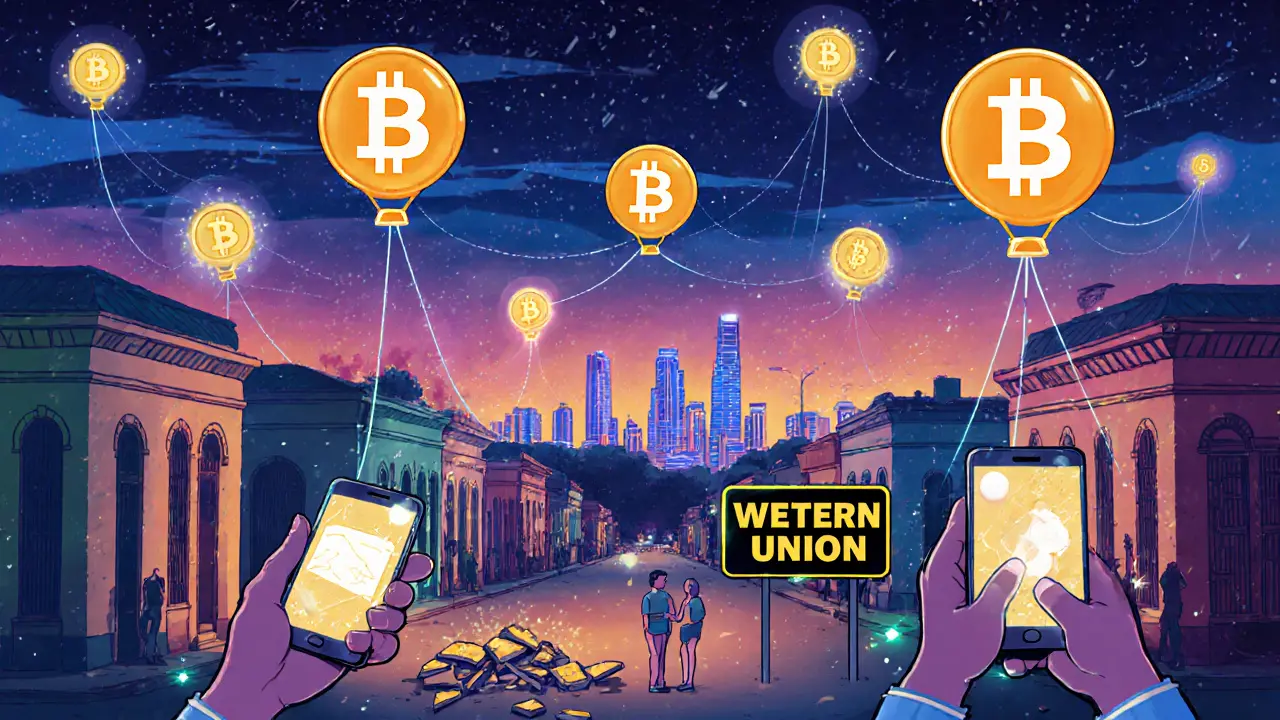
How Cubans Are Using Crypto Despite Government Restrictions
Cuba legalized cryptocurrency to bypass U.S. sanctions that cut off access to banks and remittance services. Now, over 100,000 Cubans use Bitcoin and Ethereum to send money, buy goods, and survive economically - all under a strict government-regulated system.
Recent Post
-

Stablecoins: How They Solve Crypto Volatility
Sep, 19 2025