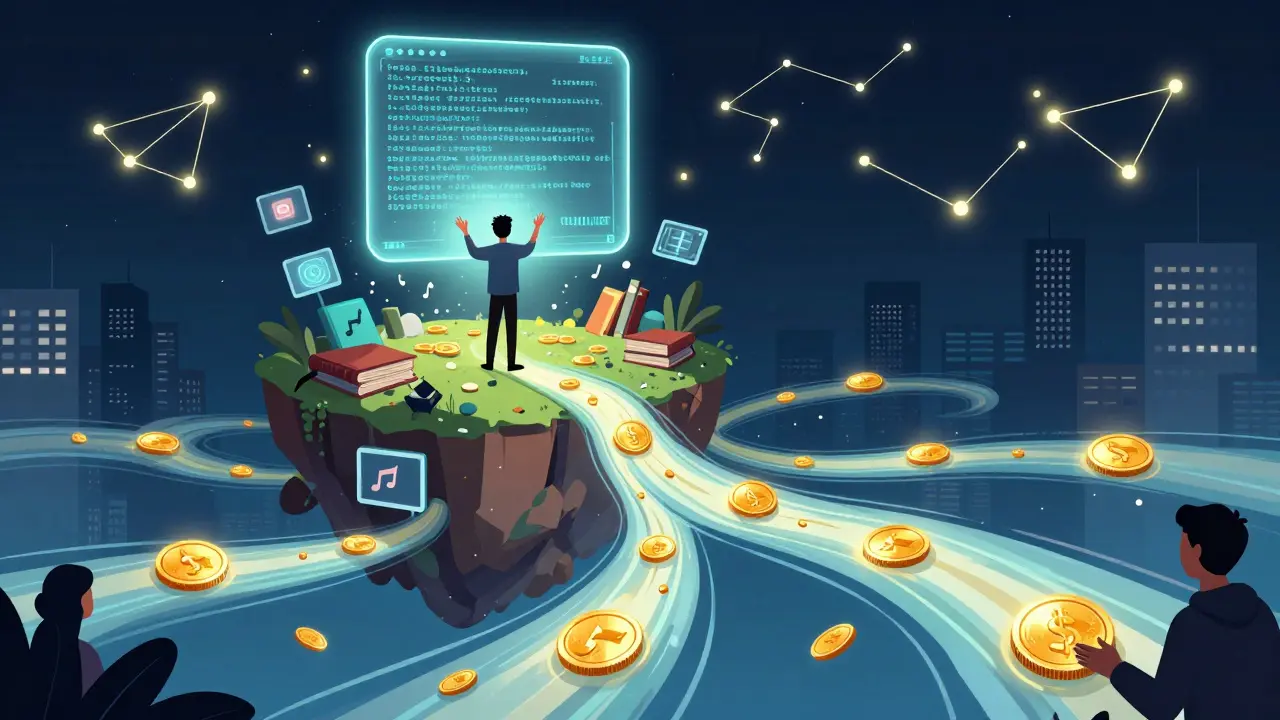
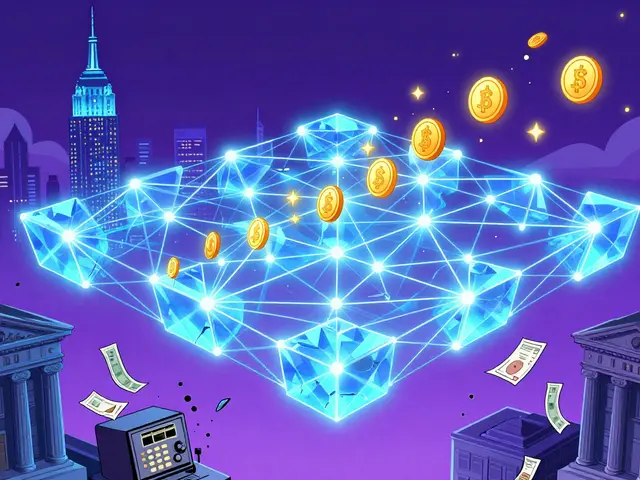
For years, creators have been stuck in a broken system. You make something amazing-a song, a video, an ebook-and half your earnings vanish before you even see them. Platforms take their cut. Banks delay payments. Rights get lost in paperwork. But in 2026, that’s changing. Blockchain isn’t just another buzzword anymore-it’s becoming the backbone of how creators get paid. And it’s not just about crypto hype. It’s about real, measurable change in how money flows from fans to artists, writers, filmmakers, and developers.
Direct Payments, No Middlemen
Imagine selling your digital artwork and getting paid instantly, in full, with no platform taking 30%. That’s not a fantasy anymore. With blockchain, payments happen directly between you and your audience. Smart contracts automatically release funds the moment someone buys or streams your content. No waiting weeks for PayPal to clear. No mysterious deductions from YouTube or Spotify. A fan pays in a stablecoin like USDC, and your wallet receives the exact amount, every time.
This isn’t theoretical. Platforms like RedPeach are already helping freelancers and small creators automate payments using blockchain. They don’t replace YouTube or Patreon-they upgrade them. Instead of relying on a third party to track views and distribute cash, the system records every interaction on-chain. A viewer watches your video for 45 seconds? That’s logged. A tip is sent? It’s confirmed. No guesswork. No disputes. Just clean, transparent accounting.
Tokenizing Your Creative Work
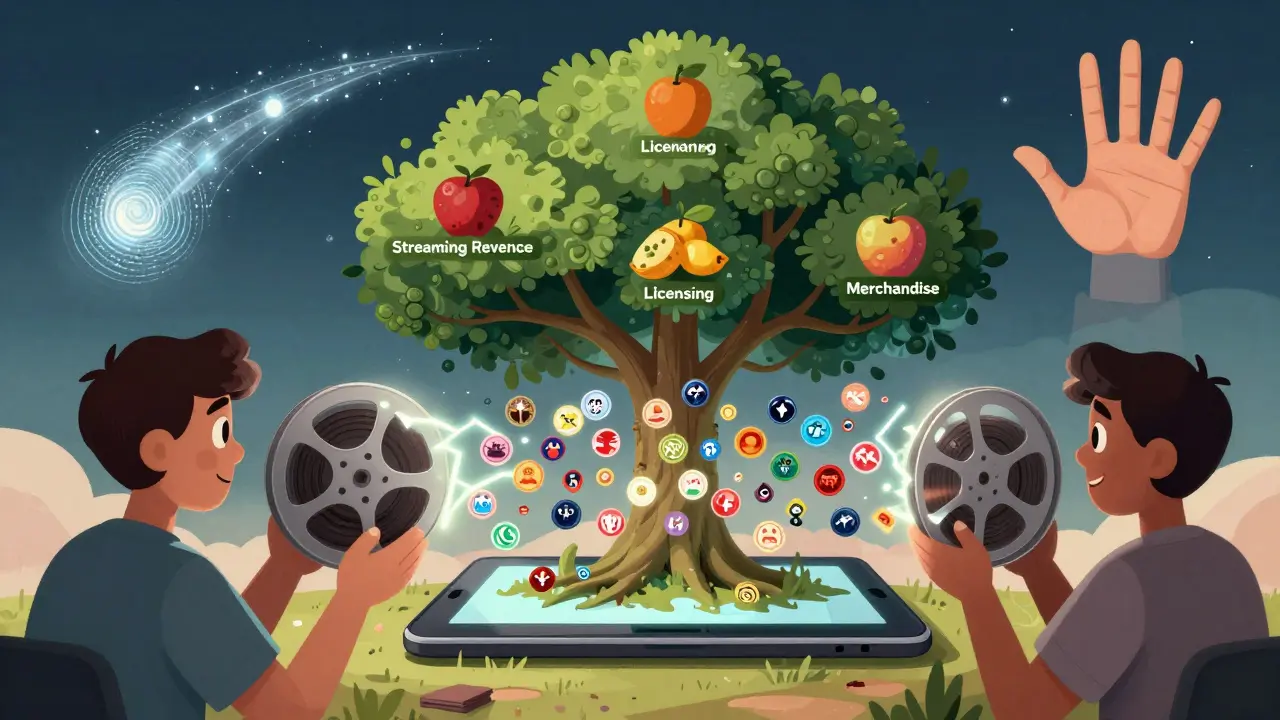
What if you could sell not just your video, but a piece of its future earnings? That’s what tokenization does. A filmmaker can turn their documentary into a tokenized asset. Each token represents a share of future revenue from streaming, licensing, or merchandise. Fans buy these tokens-not as gambling chips, but as investments in the content they love. If the film becomes popular, the value of those tokens rises. If it flops, they lose nothing more than what they paid.
This isn’t just for movies. Musicians are doing it with albums. Writers with serialized novels. Even educators with online courses. Tokenization turns static content into dynamic, tradable assets. You’re not just selling a file-you’re selling a stake in its success. And because it’s on-chain, ownership is clear. No more confusion over who owns the rights. No more lawyers fighting over licensing deals.
Proving You Made It
One of the biggest headaches for creators? Proving they made something original. With AI generating fake images, videos, and even music, it’s harder than ever to tell what’s real. That’s where blockchain provenance comes in.
Adobe’s Content Authenticity Initiative adds a digital fingerprint to every file you create. It doesn’t store the file on the blockchain-it stores a cryptographic signature that proves the file came from you, and shows every edit made after. If someone copies your painting and sells it as theirs, the blockchain says otherwise. Buyers can check the history. Platforms can verify authenticity before allowing a sale.
This matters because authenticity = value. A digital artwork with a verified creator history sells for 3x more than one without. In gaming, Binance reported that a sports brand collaboration with an NFT gear drop generated over $100 million in sales-because fans knew the items were real, limited, and tied to the original creators.
Global Paychecks, No Banks Needed
If you’re a creator in Nigeria, Indonesia, or Argentina, getting paid internationally used to mean waiting days, paying high fees, or dealing with currency conversions. Now, with stablecoins and CBDCs (Central Bank Digital Currencies), you get paid in real time, in a currency that doesn’t swing wildly in value.
Stablecoins like USDC or DAI are pegged to the dollar. They move like crypto but act like cash. A fan in Germany can send you 10 USDC for your podcast episode. You receive 10 USDC. No bank. No wire fee. No exchange rate loss. And soon, multi-CBDC networks will let you receive payments in your local digital currency-directly from a fan’s country-without intermediaries. This isn’t coming in five years. It’s happening now.
Layer 2s Are Solving the Cost Problem
Remember when Ethereum fees hit $50 just to mint an NFT? That killed adoption. But in 2026, that’s ancient history. Layer 2 solutions like Arbitrum and Optimism now handle over 60% of Ethereum’s activity. They’re faster, cheaper, and just as secure.
Arbitrum alone has over $30 billion locked in its network. What does that mean for you? Micropayments are now practical. A fan can pay you $0.10 to unlock a bonus scene. Another pays $0.05 to download a high-res version. Without Layer 2s, those tiny payments would cost more to process than they’re worth. Now? You can earn pennies from thousands of fans-and still keep 95% of it.
Federated AI and Your Creative Data
Here’s something most people haven’t thought about: your creative process is valuable. The way you write, the patterns in your music, the editing style you use-those are data. And now, blockchain is letting you monetize that data.
Federated AI marketplaces let you contribute your creative patterns to train AI models-without giving up your raw files. Your style helps improve an AI tool. The company using it pays you in tokens. You get paid for your influence, not just your output. And because it’s recorded on-chain, you know exactly how your data was used and who benefited.
Imagine a songwriter whose unique chord progression helps an AI generate better melodies. That songwriter gets a cut every time the AI is used. That’s not sci-fi. It’s already being tested in labs and early-stage platforms.

Institutional Money Is Coming In
Five years ago, blockchain content monetization was mostly hobbyists and crypto bros. Today, it’s Wall Street. Coinbase bought Echo for $375 million in late 2025. Echo lets startups raise money by selling tokens-exactly how creators might fund their next album or film. Banks are now offering custody services for NFTs. Insurance companies are underwriting tokenized rights. Venture capital is pouring into creator-focused blockchain tools.
This isn’t about speculation anymore. It’s about infrastructure. When institutions get involved, they bring regulation, security, and scale. That means more reliable platforms, clearer tax rules, and fewer scams. It also means creators can finally treat their work like a business-not a side hustle.
What’s Still Missing?
Let’s be real: this isn’t perfect yet. Most creators still don’t know how to use a wallet. Tax laws vary wildly between countries. Some platforms still charge high fees. And not every fan wants to deal with crypto.
But the trend is clear. The tools are getting easier. The costs are dropping. The value is proving itself. MoviePass is testing blockchain to let fans vote on plot twists and earn rewards. SunContract showed how peer-to-peer energy sales work-now imagine that for music streams. The model is transferable.
The biggest barrier isn’t technology. It’s awareness. Most creators still think blockchain is just for Bitcoin traders. But it’s not. It’s for anyone who makes something people want to pay for. And in 2026, that’s everyone.
Where Do You Start?
You don’t need to become a coder. Start simple:
- Use a platform like RedPeach or Mirror to publish your work and accept crypto payments.
- Tokenize one piece of content-a short film, a series, a song-and offer fractional ownership to your most loyal fans.
- Enable on-chain provenance for your digital assets using tools from Adobe or Provenance Labs.
- Accept payments in USDC or another stablecoin. No need to touch Bitcoin or Ethereum unless you want to.
- Track your earnings on-chain. See exactly how much you made, from whom, and when.
This isn’t about replacing your current platform. It’s about adding a layer of control, transparency, and fairness. You keep your audience. You keep your voice. You just finally keep your money.
Can I really make money from blockchain content monetization as a beginner?
Yes. You don’t need to understand smart contracts or buy crypto upfront. Platforms like Mirror, RedPeach, and Audius let you publish content and accept payments in stablecoins with just an email. Start by offering one digital item-like a downloadable PDF, a short video, or an exclusive audio track-and set a small price in USDC. Even $5 from 200 people is $1,000. That’s more than most creators make on Patreon in a month.
Do I need to use cryptocurrency to get paid?
Not necessarily. Most platforms now let you receive payments in stablecoins like USDC, which behave like digital dollars. You can then cash out to your bank account directly, or leave it in your wallet. You don’t need to hold Bitcoin, Ethereum, or any volatile coin. The blockchain handles the transfer; stablecoins handle the value.
Is blockchain content monetization only for artists and musicians?
No. Writers, educators, software developers, podcasters, photographers, and even researchers are using it. A teacher can tokenize a lesson plan and sell access to schools worldwide. A developer can release open-source code and get paid per download via smart contract. Any creator who produces digital content can benefit.
How do I prove I own my content on blockchain?
Use tools like Adobe’s Content Authenticity Initiative or Provenance Labs. They embed a cryptographic signature into your file that proves you created it and shows its history. This signature lives on-chain but doesn’t store the file itself-so your privacy stays intact. Buyers can verify your ownership with one click.
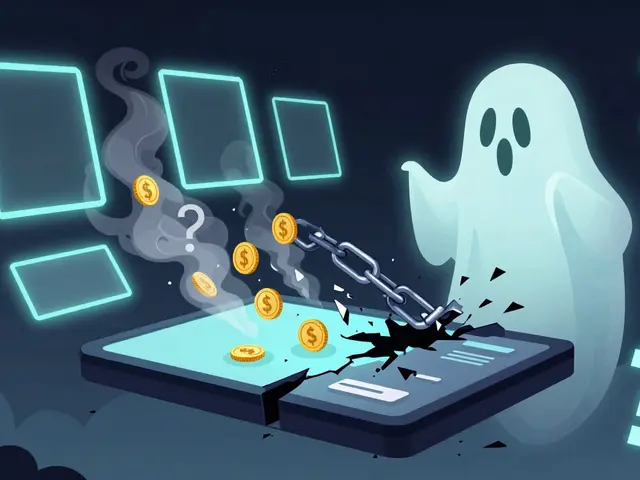
What happens if blockchain platforms shut down?
Your content and ownership records stay safe. Blockchain isn’t owned by one company-it’s a public ledger. Even if Mirror or RedPeach disappears, your NFTs, tokens, and payment history remain on Ethereum or another public network. You can still access your assets using your wallet. You’re not tied to a platform-you’re tied to your own keys.
Are there taxes on blockchain earnings?
Yes. In most countries, crypto and stablecoin earnings are treated as income or capital gains. You need to track every transaction. Some platforms now auto-generate tax reports. Use tools like Koinly or CryptoTaxCalculator to import your wallet history. Ignoring taxes is risky-regulators are now monitoring blockchain activity closely.

Brian T
March 5, 2026 AT 19:49And don't get me started on 'tokenizing' your podcast. That's not ownership, that's gambling with your art. I'm not here to speculate. I'm here to make stuff people want to hear.
Nash Tree Service
March 6, 2026 AT 08:05Yet, one cannot ignore the hermeneutic vacuum left by the absence of human intermediaries. Who bears witness to the suffering of the artist when the ledger is silent? The algorithm does not weep. The smart contract does not empathize. And so, we are left with a transactional universe devoid of grace.
Jane Darrah
March 7, 2026 AT 21:29And don’t even get me started on the ‘tokenized ownership’ thing. My friend sold a 5% share of her album and now she has 1200 ‘investors’ who text her every time she posts a new song like, ‘UR TKN VALUE DROPPED LOL.’ I just want to make art. Not run a stock exchange for my trauma.
Denise Folituu
March 7, 2026 AT 22:42I’m not against innovation. I’m against people being manipulated into thinking they’re ‘disrupting’ the system when they’re just lining up to be the next crypto sucker. I’ve seen too many creators get burned. This isn’t empowerment. It’s exploitation with a blockchain logo.
jonathan swift
March 7, 2026 AT 22:57Also, USDC? Backed by dollar. Dollar backed by debt. Debt backed by war. You're not escaping the system. You're just wearing a crypto mask while the same people own the machine. 🚨
Datta Yadav
March 9, 2026 AT 04:52And tokenization? You think a fan buying a token of your film will get dividends? No. They’ll get a Discord role and a JPEG. The revenue distribution is opaque. The smart contracts are not audited. The legal enforceability? Nonexistent in 90% of jurisdictions. This isn’t innovation. It’s theater dressed in Web3 jargon. Real change requires legal infrastructure, not flashy dashboards.
Meanwhile, in India, creators are still waiting for bank transfers to clear. And you’re telling them to buy USDC? That’s not progress. That’s colonialism with a crypto wallet.
Lydia Meier
March 10, 2026 AT 00:06Furthermore, the assumption that 'transparency equals fairness' is philosophically unsound. Transparency without enforceable rights is merely visibility. A public ledger does not guarantee equitable compensation, only traceability. Until regulatory frameworks evolve to recognize on-chain income as taxable, enforceable, and protected under labor and copyright law, this remains a theoretical construct with high risk exposure for the average creator.
jay baravkar
March 11, 2026 AT 23:23And yeah, the tools are still clunky - but they’re getting better every week. You don’t need to be a coder. Start with one thing. One piece. One fan. That’s how it begins. You don’t have to go all in. Just take one step. I’ve seen people go from scared to confident in 30 days. You got this. 💪❤️