Crypto Ban in Macedonia: What It Means for Users and How Others Are Bypassing Restrictions
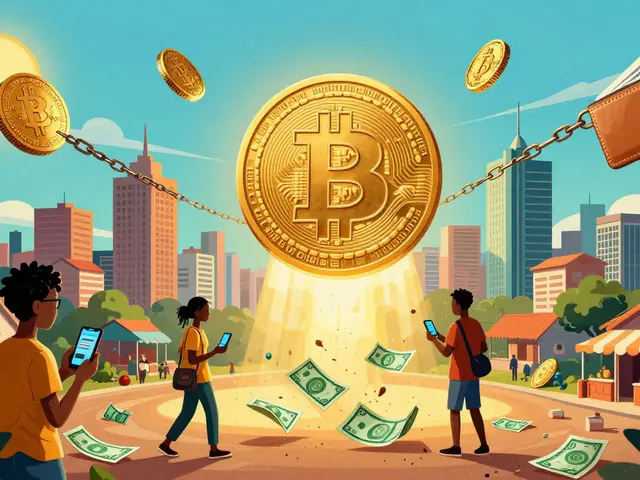
When people ask if there’s a crypto ban in Macedonia, a regulatory stance that restricts or prohibits the use of digital currencies within the country. Also known as crypto restrictions in North Macedonia, it’s not a clear-cut case like Bangladesh or Turkey. There’s no law that says "crypto is illegal." But that doesn’t mean you can use it freely. Banks block transactions to exchanges, local businesses won’t accept Bitcoin, and the central bank warns against any involvement. This creates a gray zone—crypto isn’t banned, but making it work feels like breaking the rules.
What’s happening in Macedonia isn’t unique. It’s part of a bigger pattern seen in countries where governments fear losing control over money. In Turkey, a nation that banned crypto payments but allowed trading. Also known as crypto payment restrictions in Turkey, people still use crypto to send money abroad or protect savings from inflation. In Bangladesh, a place where trading crypto can lead to legal trouble, even if the punishment is often exaggerated. Also known as crypto legality in Bangladesh, users trade anyway—using peer-to-peer apps and local traders. And in Cuba, a country under U.S. sanctions that turned to Bitcoin to survive. Also known as crypto in sanctioned economies, people use Ethereum and stablecoins to buy food, pay for medicine, and send cash to family overseas. These aren’t just stories. They’re real strategies people use when formal systems fail.
The same pressure exists in Macedonia. People aren’t sitting idle. They’re using P2P platforms like LocalBitcoins and Paxful. They’re swapping USDT for cash in person. They’re moving funds through wallets they control, not banks. Some even use VPNs to access exchanges blocked by local ISPs. It’s not about breaking the law—it’s about surviving when the system doesn’t work for you. The real question isn’t whether Macedonia has a crypto ban. It’s whether the government can stop people from finding ways around it when their money is at stake.
What you’ll find below are real stories from places where crypto thrives despite the odds. From how Cubans use it to bypass sanctions, to how Indians trade Bitcoin even with heavy taxes, to how Bangladeshis navigate threats of jail time—these aren’t abstract ideas. They’re survival tactics. And if you’re in Macedonia wondering if crypto is worth the risk, these examples show you exactly how others are doing it—and staying safe.
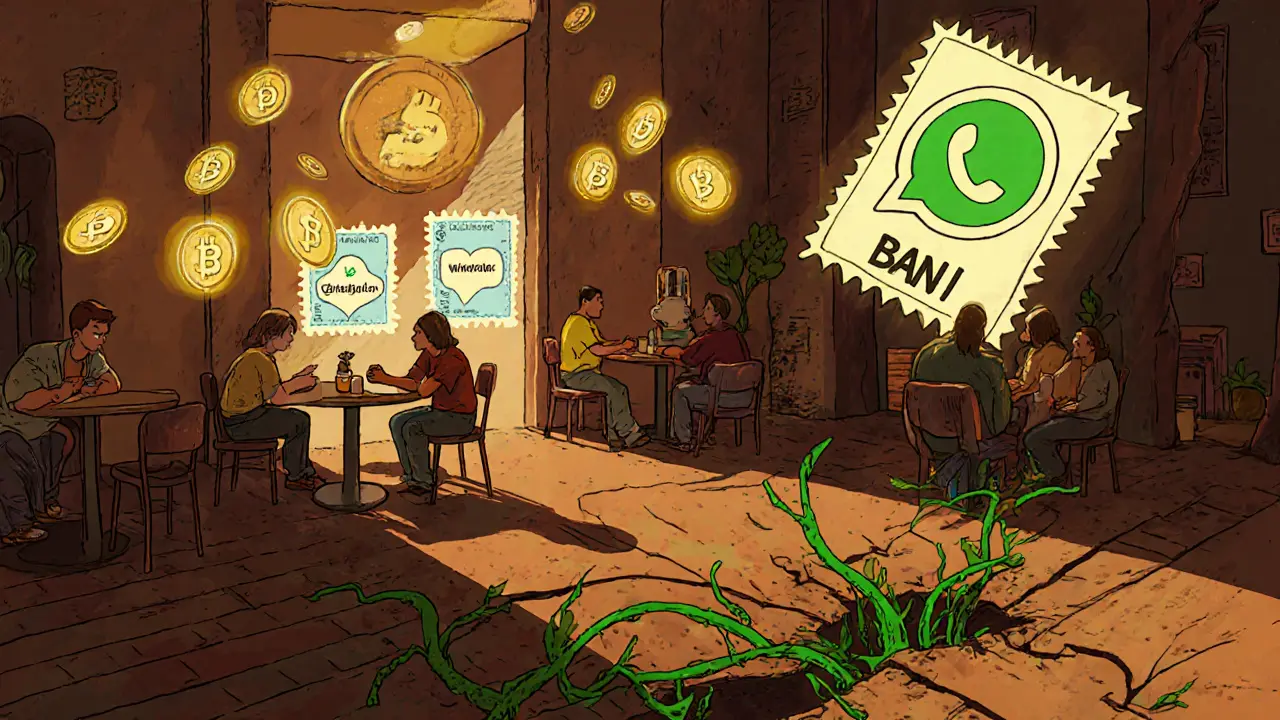
Underground Crypto Trading in North Macedonia: How People Bypass the Ban
Despite an official ban since 2017, crypto trading thrives underground in North Macedonia through P2P platforms and international brokers. Here’s how people trade safely-and why regulation is coming.
Recent Post
-

Stablecoins: How They Solve Crypto Volatility
Sep, 19 2025