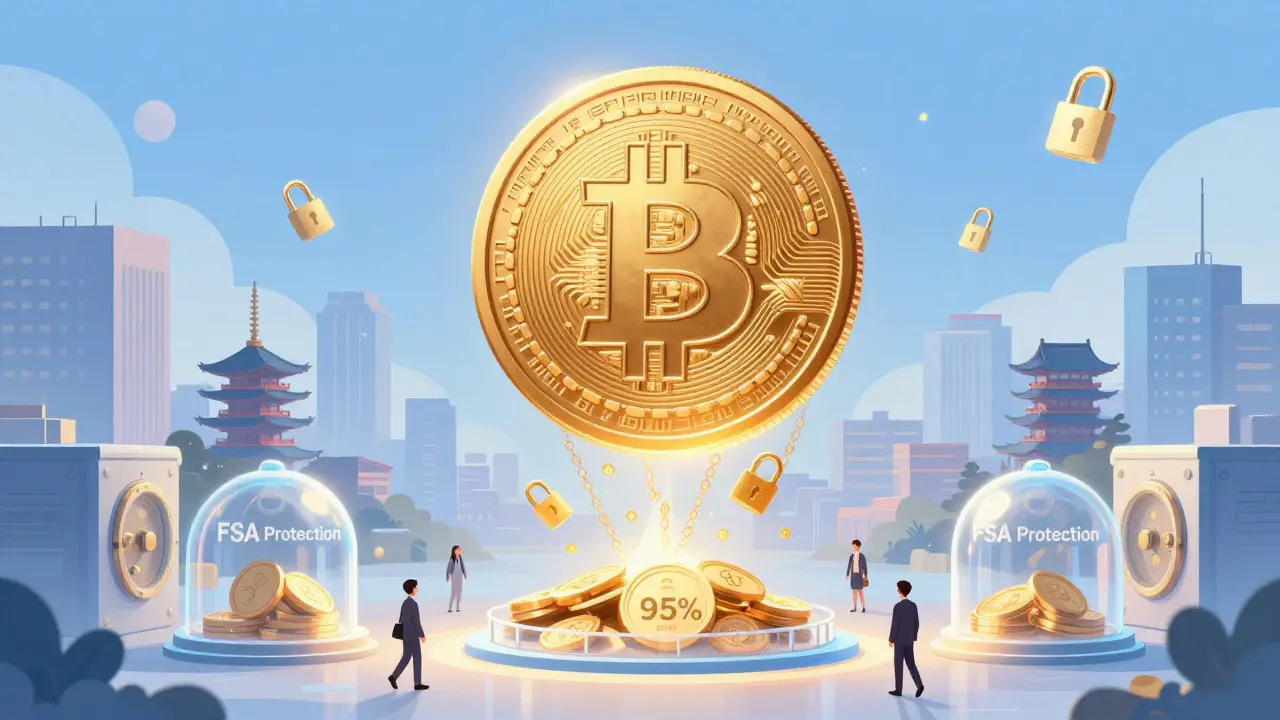
Japan doesn’t just allow cryptocurrency - it regulates it like no other country. While many nations struggle to catch up with crypto’s rapid growth, Japan has spent nearly a decade building one of the world’s toughest, most detailed systems to protect everyday users. If you’re holding Bitcoin, Ethereum, or any other crypto in Japan, you’re protected by rules that don’t just sound good on paper - they actually work.
How Japan Keeps Your Crypto Safe
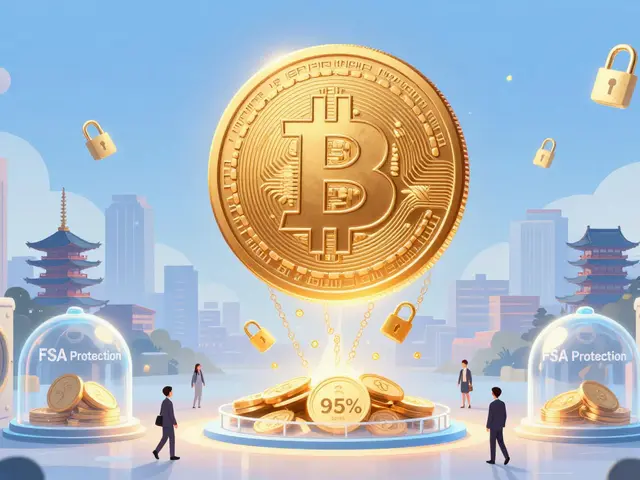
Every crypto exchange operating in Japan must be registered with the Financial Services Agency (FSA). That’s not optional. It’s the law. And the requirements are strict. Exchanges can’t just take your money and store it in an online wallet where hackers could steal it. They’re required to keep at least 95% of customer assets in cold storage - offline, air-gapped, and physically secured. The remaining 5%? That’s only for day-to-day withdrawals, and even that small amount is monitored closely.
Here’s the key part: your crypto isn’t mixed with the exchange’s own money. Customer funds must be kept completely separate. If an exchange goes bankrupt - and a few have over the years - your assets aren’t part of the liquidation process. You don’t become a creditor. You get your coins back.
This isn’t theoretical. After the 2018 Coincheck hack, where $530 million in NEM tokens vanished, Japan didn’t just punish the exchange. It overhauled the entire system. Now, exchanges must carry insurance or have financial guarantees to cover losses. They also need to prove they have enough capital to stay open - not just survive, but operate reliably.
The 2025 Rule Change That Changed Everything
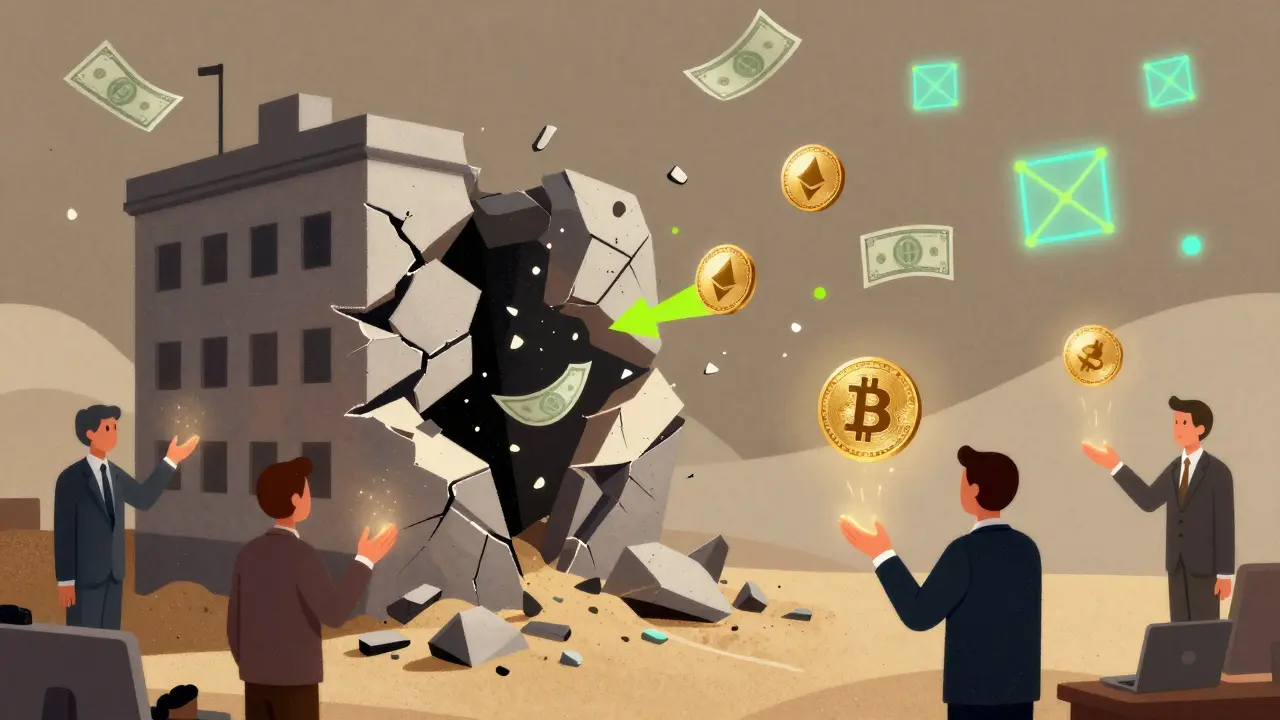
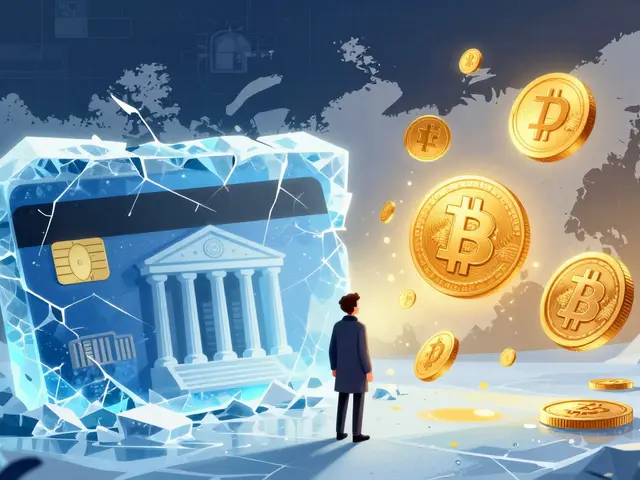
Before June 2025, if an exchange failed, getting your money back was a nightmare. You had to wait for government-led recovery procedures that could take over five months. Now? Banks and trust companies can return your funds directly - no red tape, no delays.
This change came from the updated Payment Services Act (PSA), which was rewritten in early 2025 to fix real problems real people faced. The government listened. If an exchange shuts down, you’re not stuck in a bureaucratic loop. You get your cash or crypto back in weeks, not months. That’s not just better - it’s revolutionary for retail investors.
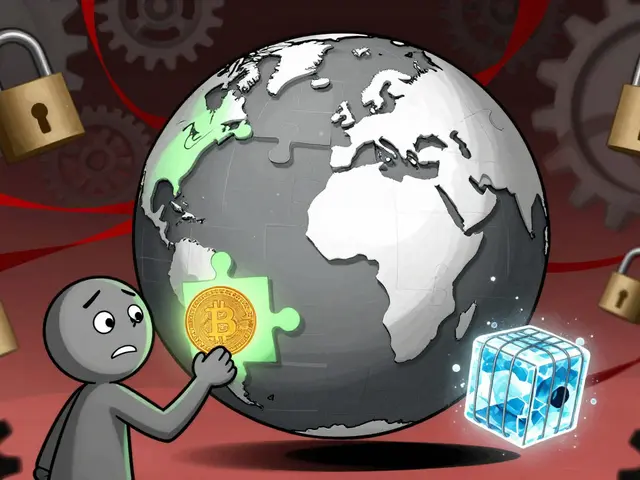
And it’s not just about withdrawals. The FSA now has the power to order exchanges to keep assets inside Japan if there’s a risk they might be moved overseas to avoid recovery. That means your money can’t vanish into offshore shell companies. It stays where regulators can reach it.
What Counts as Crypto - and What Doesn’t
Not every digital token is treated the same. Japan draws a clear line between crypto-assets and other digital money. Prepaid cards, bank-issued digital coins, and e-money like Suica or Edy? Those are regulated under different laws. They’re not crypto. They’re electronic payment tools.
True crypto-assets - Bitcoin, Ethereum, Solana, and others - are governed by the PSA. But here’s where it gets even more precise: if a token acts like a security - meaning you’re buying it expecting profits from someone else’s work - it’s no longer just a crypto-asset. As of June 2025, the FSA started reclassifying these under the Financial Instruments and Exchange Act (FIEA).
That means tokens with governance rights, profit-sharing features, or promises of returns now face the same rules as stocks. Issuers must disclose financials. Insider trading is illegal. Market manipulation is tracked. And if you’re investing in one of these tokens, you’re getting the same protections as if you bought Apple or Toyota stock.
Credit Cards That Spend Crypto? Now They’re Regulated Too
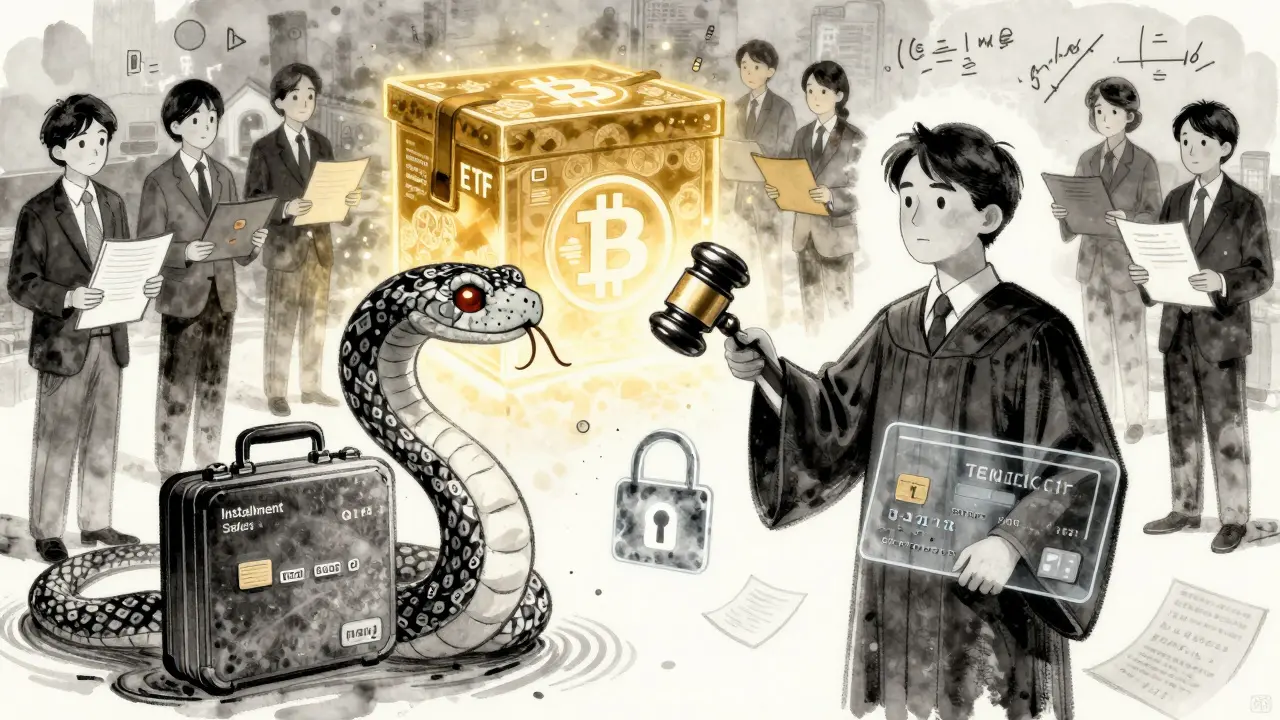
Some Japanese exchanges offer crypto-backed credit cards. You can spend your Bitcoin like cash, pay in installments, or even use revolving credit. Sounds convenient, right? But here’s the catch: if the card lets you pay over two months or offers a revolving balance, it’s no longer just a payment tool. It’s a credit product.
Under the Installment Sales Act, companies offering these cards must register as credit intermediaries. That means they have to give you clear terms, explain fees, and disclose risks. No hidden charges. No fine print. You know exactly what you’re signing up for.
This rule targets a growing trend: people using crypto like a line of credit. Japan recognized that this isn’t just trading - it’s borrowing. And borrowing needs protection.
Who’s Using Crypto in Japan - and Why They Need Protection
About 12 million people in Japan hold crypto. That’s nearly 10% of the population. And most aren’t tech bros or Wall Street traders. Around 70% are middle-income earners - teachers, office workers, small business owners - who see crypto as a long-term investment. They’re not day-trading. They’re saving.
Finance Minister Katsunobu Kato said it plainly: crypto can be part of a diversified portfolio. But he also warned about volatility. That’s why Japan’s rules aren’t about stopping people from investing. They’re about making sure people aren’t tricked, misled, or left with nothing when things go wrong.
Scams, fake exchanges, phishing attacks - they still happen. But now, if you’re using a licensed platform, you’re shielded. Unregistered exchanges? They’re illegal. Running one can land you in jail. As of June 2025, the punishment shifted from imprisonment to "confinement punishment" - a modernized form of detention under Japan’s updated Penal Code - but the penalty remains severe: up to three years in custody or a fine of up to 3 million yen.
What’s Coming Next: DeFi, Stablecoins, and ETFs
Japan isn’t resting. The FSA has a DeFi Study Group that meets every few months. It includes regulators, academics, and crypto companies. They’re figuring out how to protect users in decentralized finance - where there’s no company to sue, no CEO to hold accountable. Smart contracts can’t be shut down. But rules can be written to make them safer.
Stablecoins are next on the list. The 2025 amendments lowered barriers for issuers, making it easier for companies to launch dollar-backed tokens. But they still need to prove they hold enough reserves. No magic money. No fractional reserves. You get what you’re promised.
And by early 2026, Japan is expected to approve its first spot Bitcoin ETFs - under the FIEA. That means you’ll be able to buy Bitcoin through your regular brokerage account, just like you buy shares. No exchange needed. No wallet to manage. Just a simple fund that tracks Bitcoin’s price, with full disclosure and investor protections built in.
Why Japan’s Model Works
Japan didn’t ban crypto. It didn’t ignore it. It didn’t wait for chaos to happen. It built a system that balances innovation with safety. Exchanges have to earn trust. Users have clear rights. Regulators have real power.
Compare that to places where crypto is unregulated - where users lose everything because there’s no law to fall back on. In Japan, your crypto isn’t a gamble. It’s an asset. And it’s protected like one.
The system isn’t perfect. There are still risks. But if you’re holding crypto in Japan, you’re in one of the safest places on earth to do it. The rules are detailed, enforced, and constantly improving. That’s not luck. That’s policy.
Are crypto exchanges in Japan safe?
Yes, if they’re registered with the FSA. All licensed exchanges must keep 95% of user assets in cold storage, separate customer funds from company money, carry insurance, and meet strict capital requirements. Unregistered exchanges are illegal and subject to criminal penalties.
What happens if a crypto exchange goes bankrupt in Japan?
Your assets are protected. Since customer funds are segregated, they’re not part of the bankruptcy estate. Thanks to the 2025 amendment, banks and trust companies can return your crypto or cash directly - no government delays. You won’t have to wait months to get your money back.
Are Bitcoin and Ethereum treated the same as stocks in Japan?
Not exactly. Bitcoin and Ethereum are classified as crypto-assets under the Payment Services Act. But if a token is designed to generate profits for investors - like a share in a project - it’s reclassified as a security under the Financial Instruments and Exchange Act. That means it’s subject to the same disclosure, insider trading, and market rules as stocks.
Can I use a crypto credit card in Japan?
Yes, but only if the provider is registered under the Installment Sales Act. If the card allows installment payments over two months or revolving balances, it’s considered credit intermediation. That means the issuer must give you full terms, fees, and risks - just like a traditional credit card company.
Is Japan planning to allow crypto ETFs?
Yes. The FSA is preparing to approve spot Bitcoin ETFs by early 2026 under the Financial Instruments and Exchange Act. These will be traded on stock exchanges, regulated like mutual funds, and require full transparency from issuers. This will make crypto investing accessible to millions of Japanese investors who don’t want to manage wallets or use exchanges.
What’s the penalty for running an unregistered crypto exchange in Japan?
As of June 2025, the penalty is confinement punishment (koukin-kei) of up to three years, or a fine of up to 3 million yen. This replaced the previous imprisonment rule under Japan’s updated Penal Code. Operating without FSA registration is a criminal offense.


surendra meena
December 25, 2025 AT 13:11Bruce Morrison
December 26, 2025 AT 14:41Kevin Gilchrist
December 27, 2025 AT 13:10Elisabeth Rigo Andrews
December 29, 2025 AT 04:44Adam Hull
December 29, 2025 AT 10:49