Crypto Regulations in the Balkans: What You Need to Know About Laws, Risks, and Adoption
When it comes to crypto regulations Balkans, the patchwork of laws across Southeastern Europe that govern how people buy, trade, and use digital assets. Also known as Balkan crypto laws, it’s not one rulebook—it’s a dozen different approaches, often shaped by politics, economic pressure, and the lack of clear EU alignment. Some countries treat crypto like cash. Others treat it like a threat. And in between, ordinary people are using Bitcoin to send money home, trade stablecoins to beat inflation, and bypass banking systems that barely work.
Take Serbia, a country that has no official ban on crypto and lets citizens trade freely without taxation. Also known as crypto-friendly Serbia, it’s become a quiet hub for regional traders who want to avoid the red tape of Western exchanges. Meanwhile, North Macedonia, has no specific crypto laws but follows EU anti-money laundering rules, forcing exchanges to collect KYC data. Also known as EU-aligned crypto compliance, it’s a middle ground—neither encouraging nor blocking adoption, just watching closely. In contrast, Bosnia and Herzegovina, has no legal framework at all, so banks often block crypto deposits, and users rely on peer-to-peer platforms to survive. Also known as unregulated crypto zone, it’s a reminder that absence of law doesn’t mean safety—it means risk. These differences aren’t just bureaucratic—they affect whether you can cash out your Bitcoin, get a bank account, or get fined for trading.
What you’ll find in the posts below isn’t a textbook on crypto law. It’s real stories from places where regulation is either missing, misunderstood, or weaponized. You’ll see how people in countries with no clear rules still trade daily. You’ll learn why some platforms get shut down overnight, and how users adapt. You’ll also spot the scams that thrive in legal gray zones—because when there’s no rulebook, fraud moves in fast. This isn’t about theory. It’s about what’s happening right now, on the ground, in the Balkans.
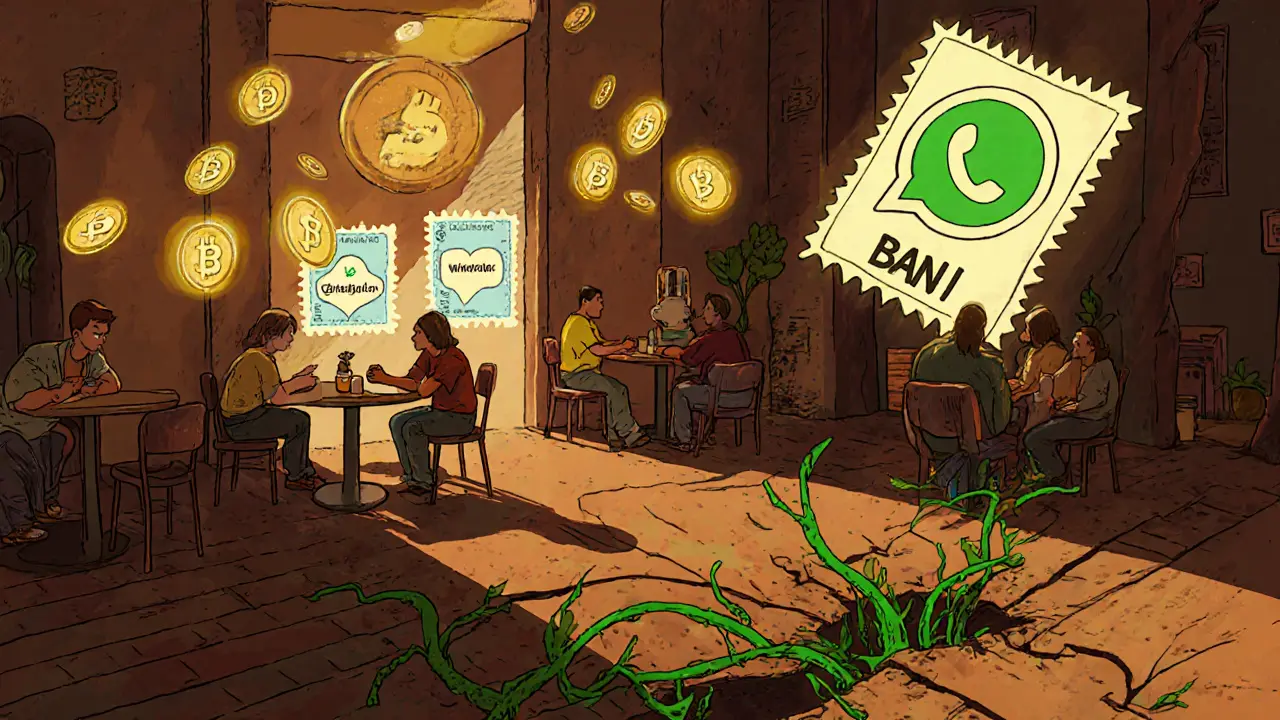
Underground Crypto Trading in North Macedonia: How People Bypass the Ban
Despite an official ban since 2017, crypto trading thrives underground in North Macedonia through P2P platforms and international brokers. Here’s how people trade safely-and why regulation is coming.