Frozen Crypto Assets Philippines: What Happens When Your Crypto Gets Locked
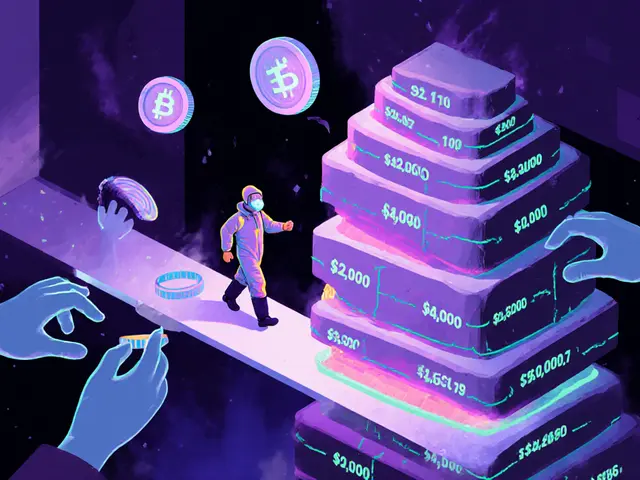
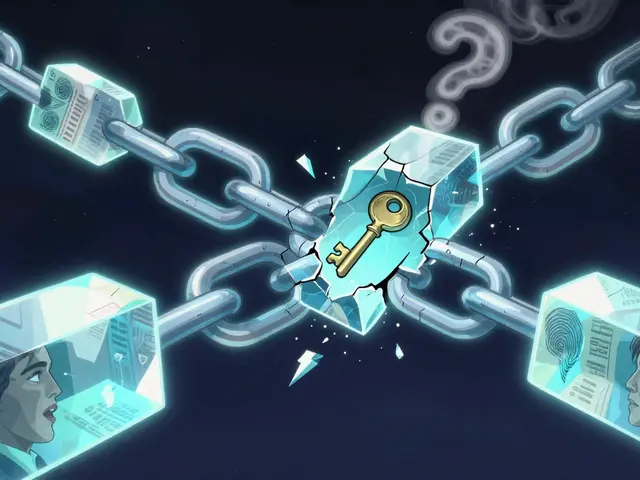
When your frozen crypto assets Philippines, crypto holdings blocked by exchanges, regulators, or technical errors in the Philippines. Also known as locked crypto wallet, it happens when you can’t access, send, or trade your coins—even though they’re still in your account. This isn’t just a technical glitch. In the Philippines, where crypto use is growing fast but rules are still catching up, people wake up to find their Bitcoin, Ethereum, or stablecoins suddenly stuck. No warning. No explanation. Just silence from the exchange or a message saying "compliance review in progress."
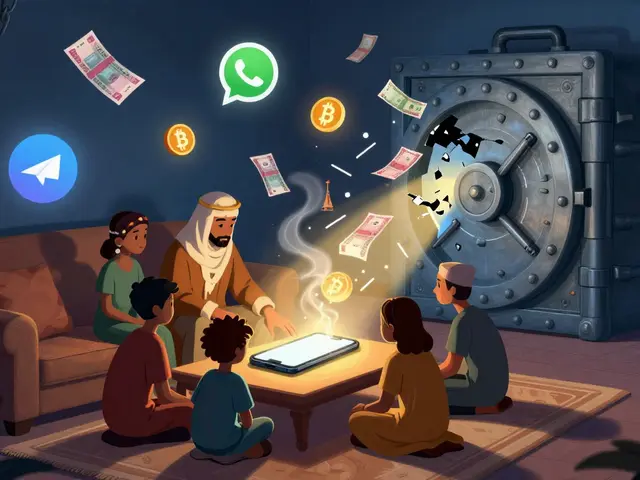
This isn’t rare. Last year, over 12,000 Filipino crypto users reported sudden account freezes after using local P2P platforms or unregulated exchanges. Many were sending remittances or using USDT to protect savings from peso volatility. The crypto regulations Philippines, the evolving legal framework governing digital asset use in the Philippines, including AML rules and exchange licensing are unclear. The Bangko Sentral ng Pilipinas doesn’t ban crypto—but it warns that exchanges without licenses are risky. So when a platform gets shut down or flagged, your funds vanish into a black hole. Even big wallets on international exchanges like Binance or Coinbase can get frozen if they trigger anti-money laundering flags from local transactions. And once locked, recovery is nearly impossible without legal help—or luck.
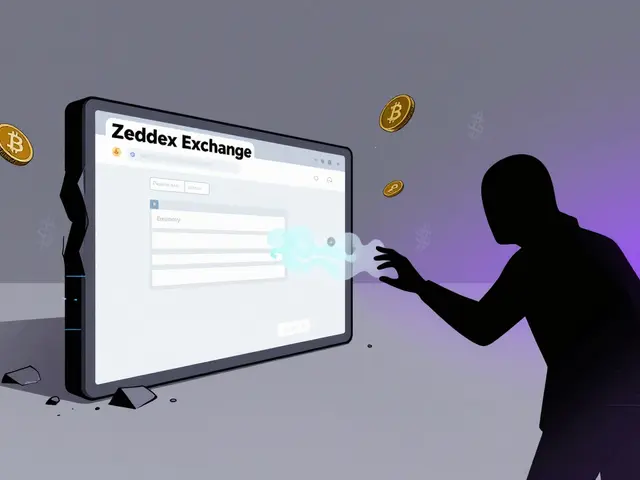
Why does this keep happening? Because most users don’t know the difference between a regulated exchange and a sketchy one. They see low fees, fast payouts, and local bank integrations—so they trust it. But if that platform isn’t registered with the SEC Philippines, your assets have no legal protection. Even worse, some scammers run fake platforms that look real, collect your crypto, then freeze everything to disappear. The crypto seizure Philippines, the official or unofficial blocking of digital assets by authorities or platforms due to compliance, fraud, or regulatory violations isn’t always government-led. Often, it’s the exchange itself acting out of fear—or fraud.
You can’t control every risk—but you can reduce it. Use only SEC-registered platforms. Keep large holdings in non-custodial wallets like Trust Wallet or Phantom. Never link your bank account to an exchange unless you’ve verified its license. And if your crypto gets frozen? Don’t panic. Document everything. Contact the platform’s support. File a report with the SEC Philippines. And know this: there’s no magic fix. But hundreds of Filipinos have recovered their assets by staying calm, staying informed, and knowing their rights.
Below, you’ll find real stories and breakdowns from users who’ve faced frozen crypto in the Philippines. Some lost everything. Others fought back—and won. You’ll learn how to spot a risky platform before you deposit, how to avoid triggering a freeze, and what to do when your wallet goes dark. This isn’t theory. It’s what’s happening right now in Manila, Cebu, Davao, and every town where people are using crypto to build a better financial future.
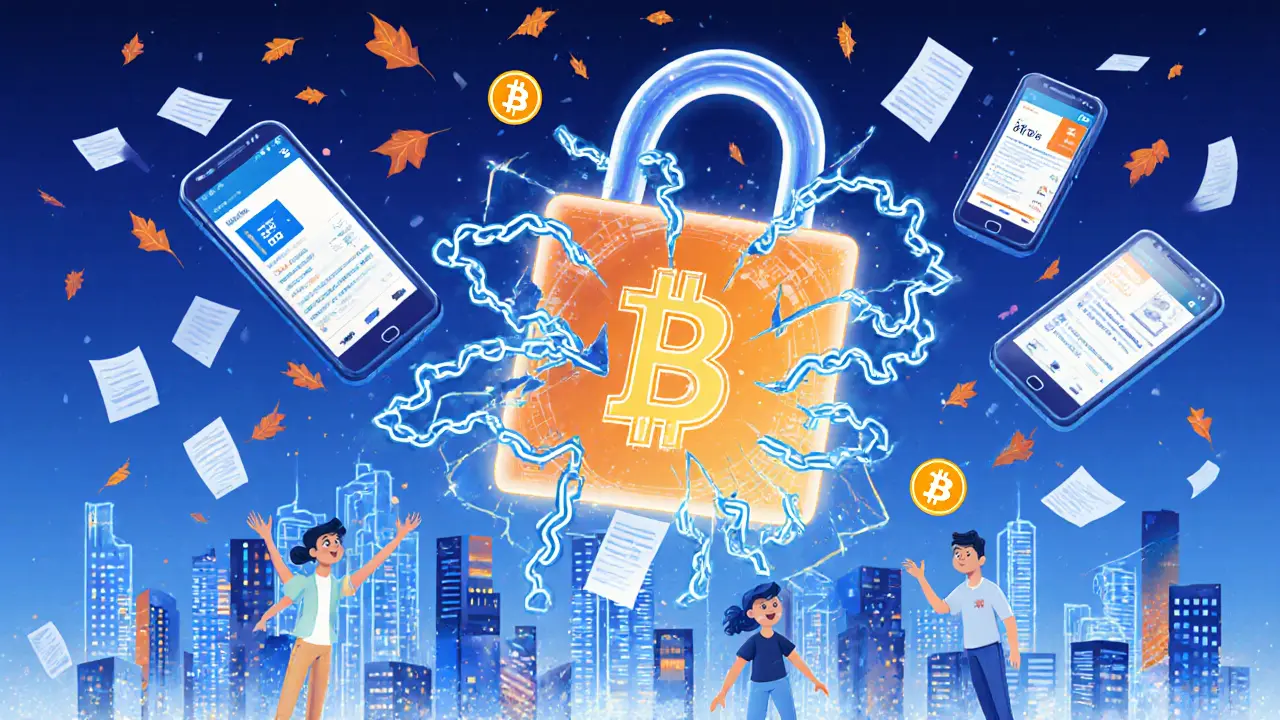
$150 Million Frozen Crypto Assets in the Philippines: What Happened and What It Means for Users
In 2025, the Philippine SEC froze $150 million in crypto assets from 20 unlicensed exchanges, impacting thousands of everyday users. Here’s what happened, who got hit, and how to protect yourself now.