Iran Bitcoin Mining: How It Works, Why It Matters, and What You Need to Know
When you think of Iran Bitcoin mining, the practice of using computational power to validate Bitcoin transactions and earn rewards, often in regions with cheap electricity. Also known as crypto mining in Iran, it’s one of the most surprising success stories in decentralized finance — built not on technology alone, but on necessity and energy surplus. Despite U.S. sanctions cutting off access to global banking and limiting hardware imports, Iran became one of the top three Bitcoin mining countries by 2023. Why? Because the government subsidizes electricity so heavily that mining runs at a fraction of the cost elsewhere.
Behind this isn’t just greed — it’s survival. Many Iranian families turned to mining after inflation wiped out savings and banks froze accounts. Miners use everything from old gaming rigs to custom-built rigs powered by state-subsidized natural gas. The crypto mining regulations, government rules that define legal mining, taxation, and energy allocation for cryptocurrency operations are messy: mining is technically legal only if you use excess power and pay a fee, but enforcement is patchy. Thousands of small-scale miners operate in garages and basements, while larger farms cluster near power plants in provinces like Kerman and Fars. The Iran cryptocurrency, the broader ecosystem of digital asset use, trading, and mining within Iran’s economic constraints isn’t just about Bitcoin — stablecoins like USDT are used to buy food, pay rent, and send money abroad when traditional systems fail.
But it’s not without risk. Power blackouts hit hard during summer heatwaves. The government has shut down mining farms before, claiming they drain the grid. And with global scrutiny rising, even small-time miners face the threat of asset seizures or fines. Yet the incentives remain strong: when electricity costs less than $0.01 per kWh, mining can still turn a profit even when Bitcoin dips below $30,000.
What you’ll find below isn’t a list of how-to guides or mining rigs — it’s the real-world context. Posts cover how sanctions shape crypto adoption, how energy policy drives mining hubs, and how people in restricted economies use blockchain to stay financially alive. You’ll see how Iran’s story connects to Cuba, India, and Bangladesh — places where crypto isn’t a luxury, but a lifeline. These aren’t theoretical debates. They’re survival tactics written in code and powered by electricity.
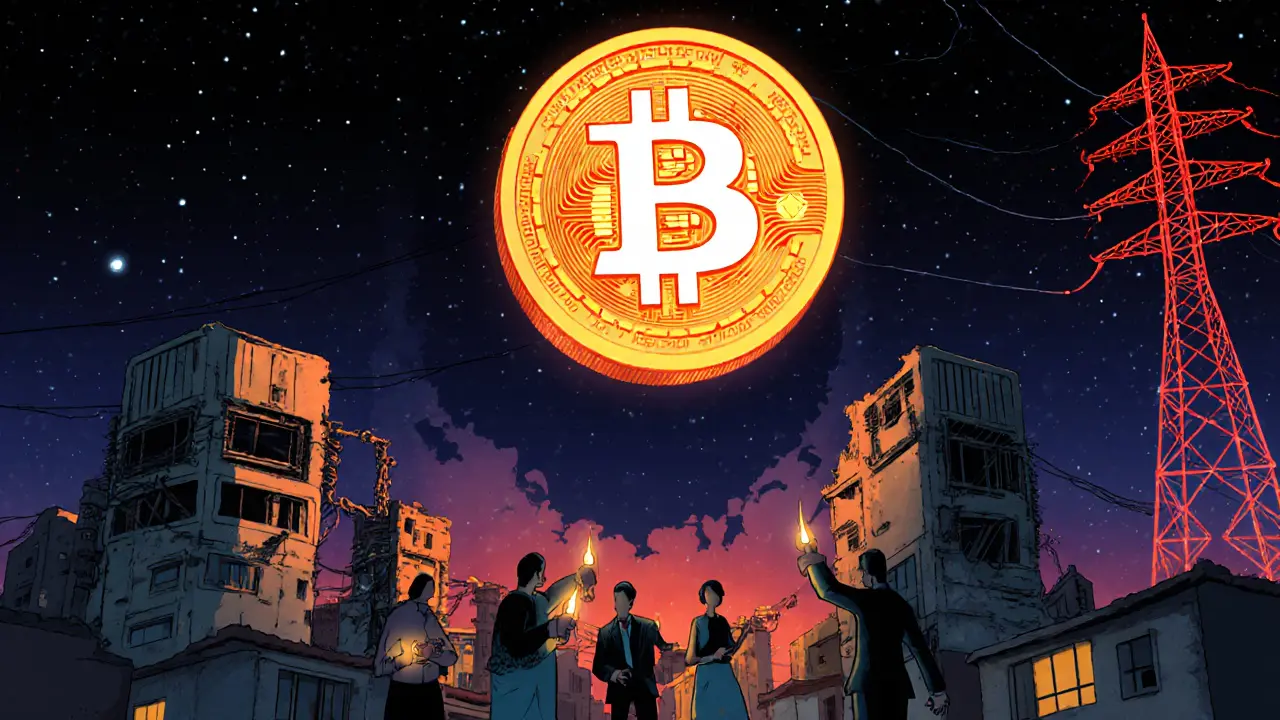
Iranian Energy Subsidies for Crypto Mining: How Cheap Power Fuels a National Crisis
Iran gives miners cheap electricity to earn foreign currency, but at the cost of daily blackouts for millions. Bitcoin mining uses as much power as Tehran, while families go without lights.
Recent Post
-

How Costa Ricans Use Crypto Without Regulations
Jan, 20 2026