Petro Cryptocurrency: What It Is, Why It Matters, and What You Need to Know
When you hear Petro cryptocurrency, a state-issued digital currency launched by Venezuela in 2018 to circumvent U.S. financial sanctions. Also known as Petro token, it was promoted as a way for Venezuela to trade oil, gold, and other resources without relying on the U.S. dollar or traditional banking systems. Unlike Bitcoin or Ethereum, Petro wasn’t built by a decentralized community—it was created by a government under heavy economic pressure. Its value was supposedly tied to the country’s oil reserves, but no independent audit ever confirmed that claim.
Petro cryptocurrency relates directly to state-backed cryptocurrency, digital money issued and controlled by a national government, often used to bypass international financial restrictions. It’s also tied to crypto under sanctions, digital assets used in countries facing financial isolation, where citizens and businesses turn to crypto to access goods, services, and foreign currency. And it connects to Venezuela crypto, the broader ecosystem of digital currencies adopted by Venezuelans to survive hyperinflation and banking limits. While Venezuela pushed Petro as a national solution, most global exchanges never listed it. Even inside Venezuela, adoption was limited—many people used Bitcoin or USDT instead because they were more trusted and liquid.
What makes Petro different isn’t its technology—it’s the politics. It’s a case study in how governments try to weaponize crypto against economic pressure. But without transparency, liquidity, or real-world utility, it never became a viable asset. People who bought it early often couldn’t sell it. Those who tried to use it for payments found few merchants accepted it. And outside Venezuela, it was treated as a cautionary tale, not an investment.
Below, you’ll find real stories from people navigating crypto in places where governments try to control digital money—from Cuba to India, from Bangladesh to North Macedonia. These aren’t just about tokens or prices. They’re about survival, adaptation, and how ordinary people find ways to trade, save, and send money when the system fails them. If you want to understand what Petro really meant, look at what people did when they had no other choice.
How Venezuela Uses Crypto to Bypass Sanctions
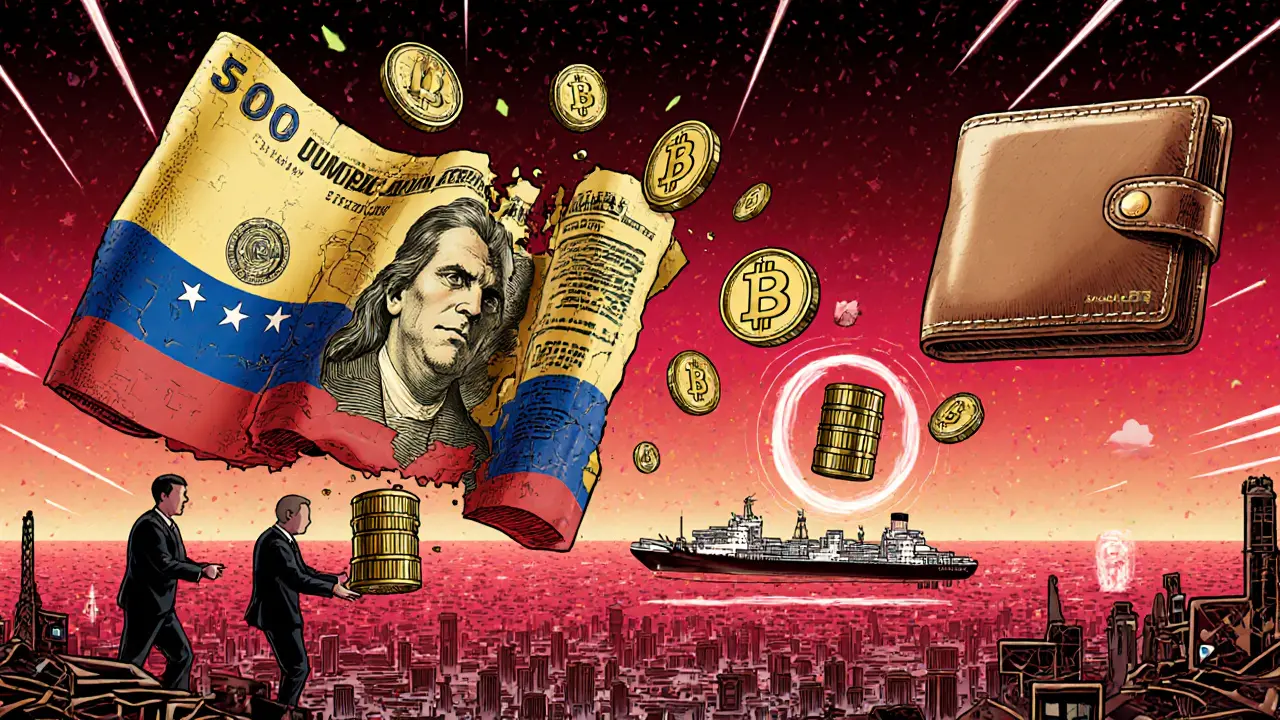
Venezuela uses cryptocurrency, especially USDT and the PETRO, to bypass U.S. and EU sanctions by turning oil exports into digital cash. State-controlled exchanges and crypto-laundering networks keep the regime funded while ordinary citizens rely on crypto just to survive.