TRY Crypto Exchange: What It Is, Where It Stands, and What to Watch
When you hear TRY crypto exchange, a crypto trading platform with minimal public presence and no verified regulatory status. Also known as TRY Exchange, it appears in search results as a potential place to trade digital assets—but lacks reviews, security audits, or transparent team information. Unlike major platforms like Binance or Coinbase, TRY doesn’t show up in trusted rankings, and there’s no record of it being licensed anywhere. That doesn’t mean it’s fake—but it does mean you’re walking into uncharted territory with your money.
Most users who look up TRY crypto exchange are trying to figure out if it’s safe. The answer isn’t simple. Some sites list it as a low-fee option with support for altcoins, but there’s no verified app on Google Play or the App Store. No official Twitter account. No customer service email you can actually reach. That’s not just inconvenient—it’s a red flag. Compare that to platforms like EO.Trade or MintMe.com, which at least have public team members, audit reports, or user forums. TRY has none of that. It’s like buying a car with no VIN number or service history.
What’s worse, TRY often shows up alongside fake airdrops and scam tokens. If you’re seeing ads for free TRY tokens or promises of high returns just for signing up, walk away. The crypto space is full of these ghosts—projects that vanish after collecting wallets or private keys. You’ll find posts here about Horizon Dex, ko.one, and Moonft—all platforms that looked promising until they didn’t. TRY fits that pattern. It’s not proven to be a scam, but it’s also not proven to be anything else.
Why does this matter? Because crypto exchange, a platform where users buy, sell, or trade digital assets. Also known as cryptocurrency trading platform, it’s the gateway to your portfolio. If the gateway is shaky, your whole investment is at risk. Even if TRY works today, what happens tomorrow if they disappear? Your funds could vanish with no recourse. That’s why most experienced traders stick to exchanges with clear regulation, cold storage, and real customer support—even if the fees are a little higher.
And it’s not just about safety. decentralized exchange, a peer-to-peer crypto trading platform that doesn’t hold your funds. Also known as DEX, it’s growing fast because users want control. Platforms like PancakeSwap or ApertureSwap let you trade without giving up custody of your coins. TRY doesn’t claim to be a DEX, but it also doesn’t explain how it handles your assets. That silence is louder than any feature list.
So what should you do? If you’re curious about TRY, check its domain registration date. Look for user reports on Reddit or Telegram. See if anyone has actually withdrawn funds. If you can’t find one real story of someone successfully using it, assume it’s not safe. The posts below cover exchanges that actually work—some with low fees, others with strong privacy, and a few that are just plain reliable. You don’t need to gamble on TRY when there are dozens of better options with clear track records.
Below, you’ll find real reviews of platforms that have been tested—not just named. From security flaws to hidden fees, from app performance to customer support, these posts tell you what actually happens when you trade. No hype. No promises. Just facts from people who’ve been there.
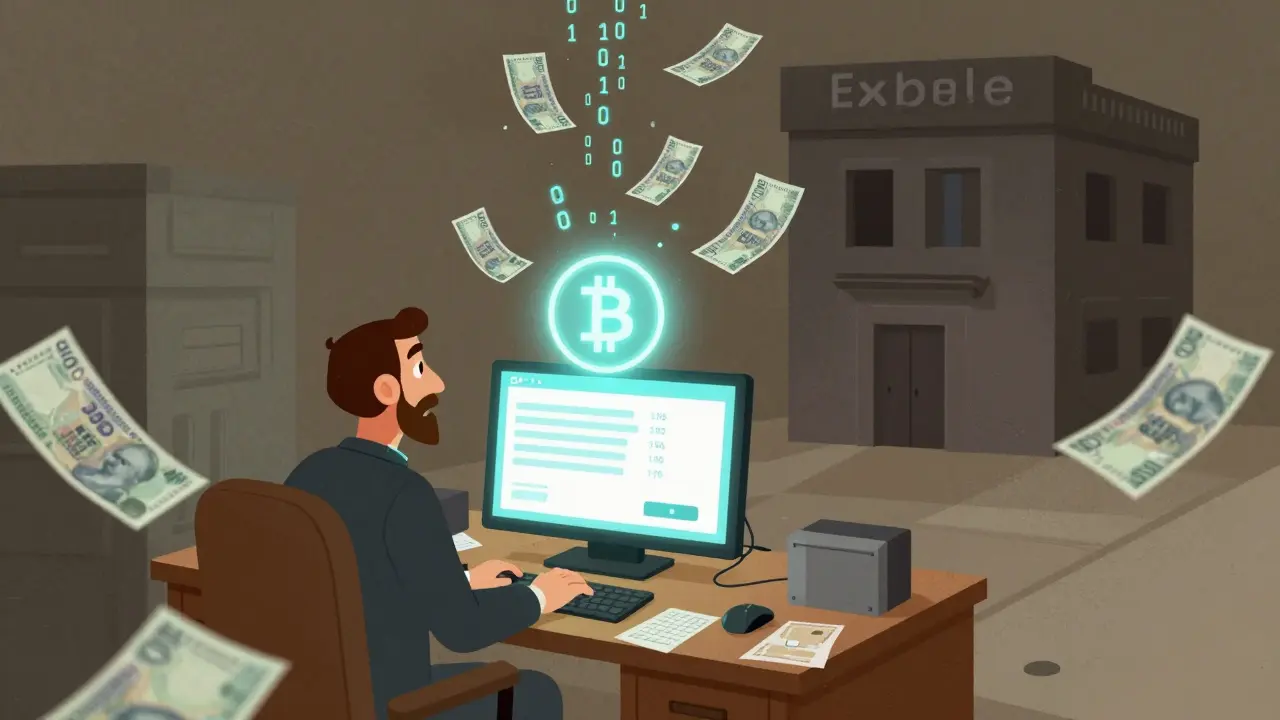
Coinzo Crypto Exchange Review 2025: Fees, Features, and Whether It’s Right for Turkish Traders
Coinzo is a Turkish crypto exchange offering low fees for TRY-to-BTC trading. It's simple and cheap but lacks security transparency, a mobile app, and regulatory license. Best for locals who need fast TRY deposits - not for long-term holding.
Recent Post
-

How Sharding Improves Blockchain Scalability
Dec, 28 2025
-

How Costa Ricans Use Crypto Without Regulations
Jan, 20 2026
-
Benefits of Liquid Staking Over Traditional Staking
Jan, 17 2026