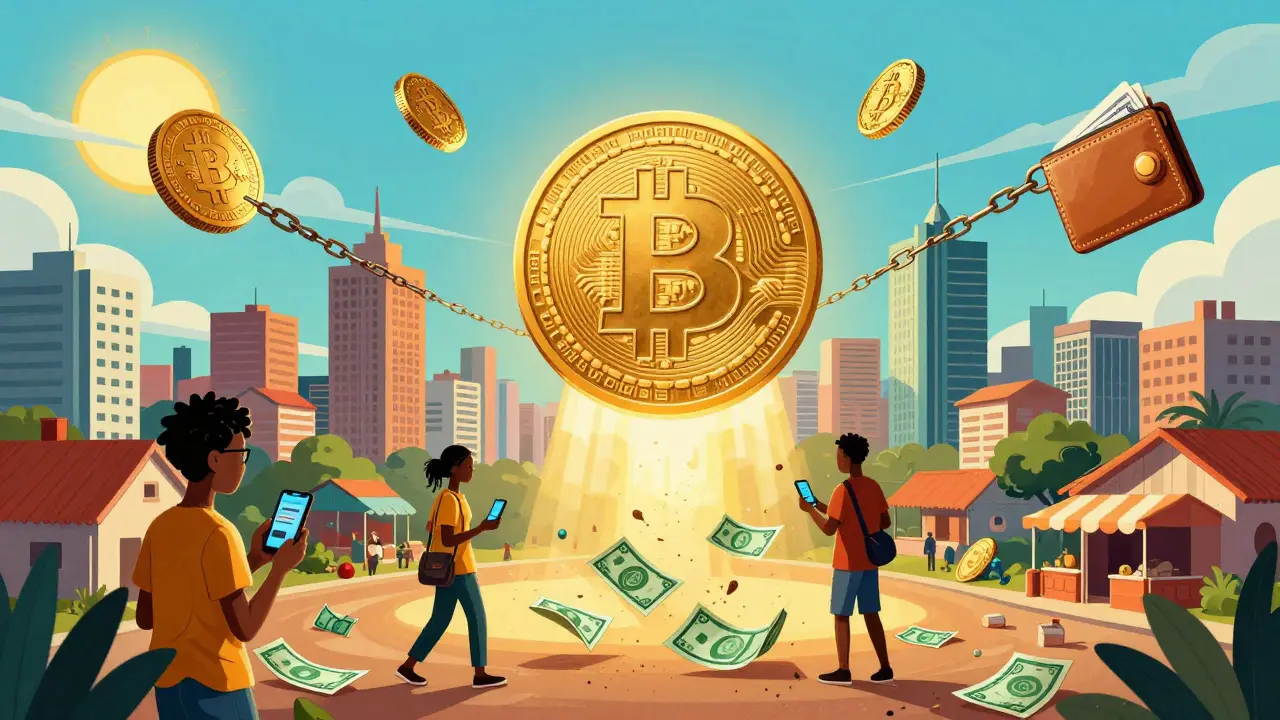
When it comes to using cryptocurrency outside of banks and exchanges, Nigeria isn’t just participating - it’s leading the world. In 2025, Nigerians handled over $59 billion in peer-to-peer (P2P) crypto transactions in just one year. That’s more than most developed nations. And it’s not because they’re speculating on Bitcoin for quick gains. It’s because they have no other choice.
How a Banking Ban Created a Crypto Revolution
In 2017, the Central Bank of Nigeria told commercial banks to stop serving crypto businesses. At the time, most people thought this would kill digital currency use. Instead, it forced millions into P2P trading. People started buying Bitcoin directly from each other using mobile money, bank transfers, and cash meetups. No intermediaries. No delays. No fees. Just direct trades. This wasn’t a trend. It was survival. With inflation hitting 24% in 2023 and the naira losing over 75% of its value since 2016, saving money in local banks became risky. People saw crypto as a way to protect their savings. Bitcoin became a digital dollar. Ethereum and USDT became tools to send money abroad without paying 8% in remittance fees.Why P2P? Because the System Failed
About 36% of Nigerian adults have no bank account. Many others can’t access foreign currency or send money overseas without waiting days and paying high fees. Traditional remittance services like Western Union or MoneyGram charge up to 8% per transfer. P2P crypto cuts that to under 2% - sometimes as low as 0.5%. A student in Lagos sending money to her sister in London used to pay ₦40,000 in fees to send ₦500,000. Now, she buys USDT on a local P2P platform, sends it via wallet, and her sister cashes out in the UK. Total cost? Around ₦8,000. That’s an 80% savings. That’s why P2P crypto grew so fast - it solved real problems.The Numbers Don’t Lie
By 2020, Nigeria was already third globally in crypto transaction volume. Today, it’s among the top two. Chainalysis ranked Nigeria sixth in global crypto adoption in September 2025. Cornell Business put it second. The difference? Methodology. One measures total volume. The other looks at adoption per capita. Either way, Nigeria leads. An estimated 22 million Nigerians - about 10% of the population - now use crypto regularly. That’s more than in Germany, Canada, or Australia. And it’s not just young techies. Taxi drivers, market traders, and nurses are all trading crypto on their phones. The most popular pair? Bitcoin to Naira. But Dash, Ripple, and USDT are close behind.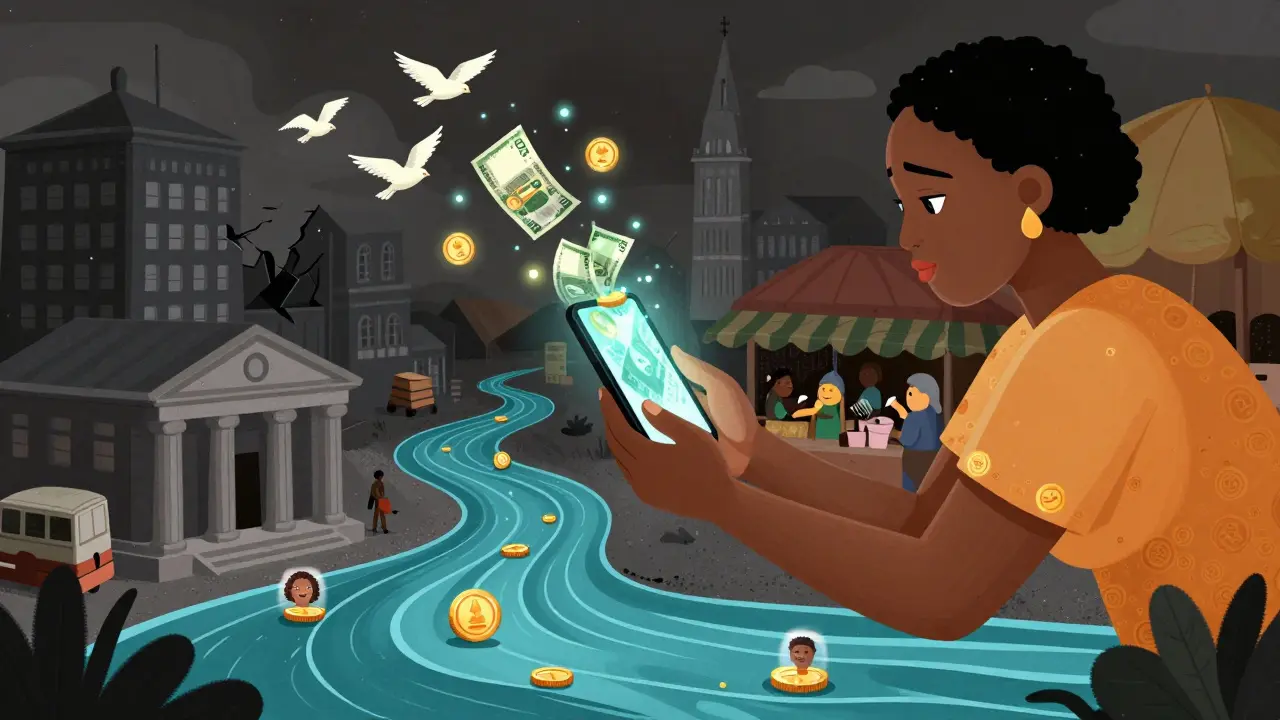
From Underground to Official
In late 2023, the Central Bank reversed its ban. Banks could now legally work with licensed crypto exchanges. This didn’t kill P2P - it strengthened it. Now, platforms like Quidax and Patricia can link directly to bank accounts. You can buy crypto with your salary, sell it to pay rent, and send dollars abroad - all in one app. Even bigger: the Nigeria Inter-Bank Settlement System (NIBSS) partnered with Zone’s blockchain network in 2025. That means banks can now settle payments between each other using blockchain. It’s faster. Cheaper. Transparent. This isn’t about replacing the naira. It’s about fixing the system behind it.Who’s Using It and Why
Reddit threads and WhatsApp groups in Lagos and Abuja are full of stories. A mechanic in Port Harcourt uses P2P crypto to buy auto parts from China. A teacher in Ibadan sends tuition fees to her daughter studying in Canada. A small business owner in Kano pays suppliers in Ghana without waiting for wire approvals. These aren’t investors. They’re users. They don’t care if Bitcoin hits $100,000. They care if they can send $500 to family in three minutes without a bank telling them no. The shift in perception was slow. Early on, crypto was linked to scams like MMM and OneCoin. But over time, real use cases changed minds. People started sharing how they used it - not to get rich, but to stay solvent.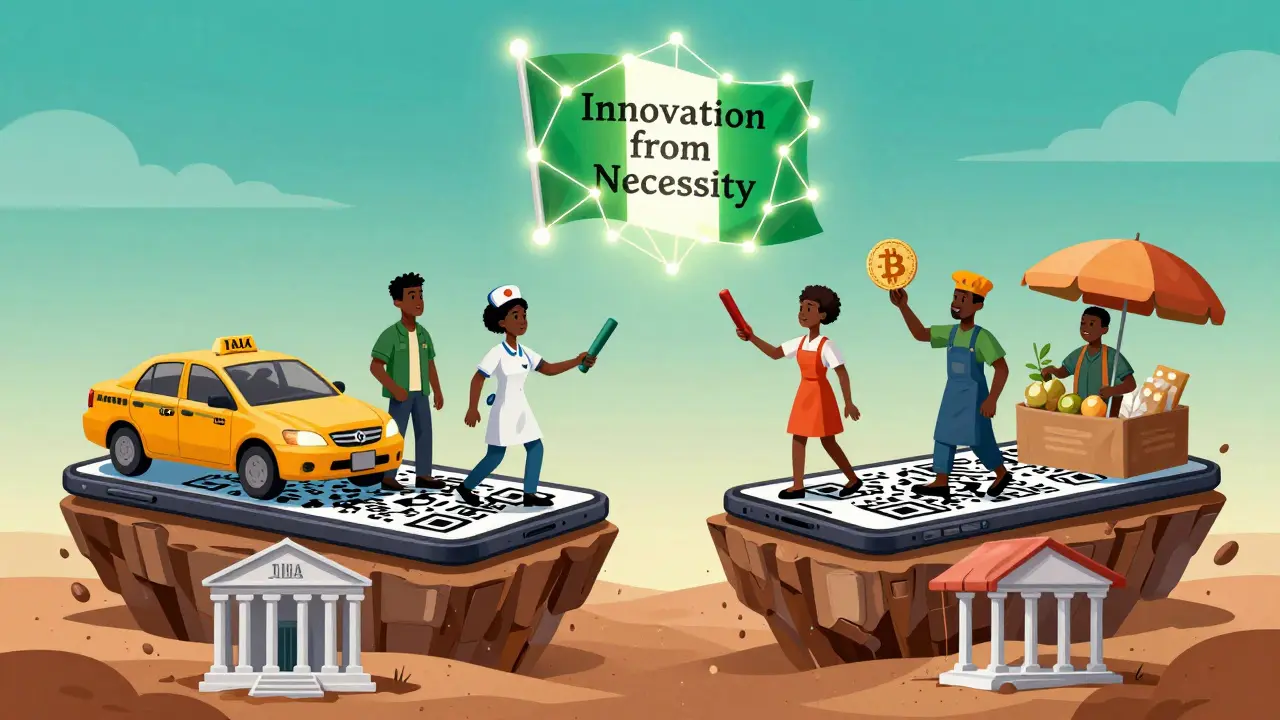
The Learning Curve Is Real - But Manageable
Getting started isn’t hard. You need a phone, a government ID, and 30 minutes. Most platforms now offer step-by-step guides in English and local languages like Yoruba and Igbo. You sign up, verify your identity, and link your bank account. Then you buy your first Bitcoin or USDT. Security is the biggest hurdle. Many users lose funds because they don’t understand private keys or fall for fake support scams. That’s why Telegram and WhatsApp communities are so important. Experienced users teach newcomers how to use cold wallets, avoid phishing, and recognize red flags. Most people become comfortable with basic P2P trading in 2-4 weeks. Mastering advanced strategies - like arbitrage between platforms or hedging against naira swings - takes 2-3 months. But they do it. Because the payoff is worth it.What’s Next? A Hybrid System
Nigeria’s crypto market isn’t going back. The Investments and Securities Act of 2025 officially recognized digital assets as financial securities. That means crypto isn’t just tolerated - it’s regulated. Exchanges must follow anti-money laundering rules. Wallet providers must report suspicious activity. Moniepoint, Nigeria’s fintech unicorn, hit a $1 billion valuation in 2025 - partly because of its crypto integration. Google invested in it. Why? Because Nigeria showed the world how to build financial inclusion from the ground up. The future isn’t crypto replacing banks. It’s crypto working alongside them. P2P trading will still dominate for remittances and small businesses. Banks will use blockchain for settlements. The government might launch a CBDC - but it won’t kill P2P. It’ll coexist with it.Why This Matters Beyond Nigeria
Nigeria’s story isn’t unique. It’s a blueprint. Countries with high inflation, weak currencies, and underdeveloped banking systems - Argentina, Turkey, Venezuela - are watching closely. They see how Nigerians turned a banking ban into a financial revolution. The lesson? When people are locked out of the system, they build their own. And when they do, they don’t just survive - they innovate.Why does Nigeria rank so high in P2P crypto adoption compared to other countries?
Nigeria leads because of a combination of economic pressure and lack of alternatives. With inflation over 24%, the naira losing 75% of its value since 2016, and 36% of adults unbanked, people turned to crypto out of necessity. P2P trading bypassed broken banking systems, offering cheaper, faster access to foreign currency and international payments. No other country has such a large population facing these exact conditions while also having high mobile internet penetration and a young, tech-savvy workforce.
Is P2P crypto trading legal in Nigeria?
Yes, since late 2023. The Central Bank of Nigeria lifted its ban on banks servicing crypto businesses. Licensed exchanges can now operate openly and integrate with the banking system. The Investments and Securities Act of 2025 further legalized crypto as a financial security, requiring exchanges to follow anti-fraud and KYC rules. P2P trading itself isn’t regulated directly - but platforms facilitating it must comply with financial laws.
What cryptocurrencies are most popular in Nigeria?
Bitcoin (BTC) is still the most traded, especially in Naira pairs. But USDT (Tether) is now the most used for daily transactions because it’s pegged to the U.S. dollar and avoids Bitcoin’s volatility. Dash and Ripple are also popular for fast, low-cost cross-border payments. Ethereum is growing, especially for smart contracts and decentralized apps.
How do Nigerians buy and sell crypto without banks?
They use P2P platforms like Quidax, Patricia, and Binance P2P. Buyers and sellers agree on a price, then transfer naira via bank transfer, mobile money, or cash deposit. Once payment is confirmed, the seller releases crypto from escrow. These platforms act as trusted middlemen - holding crypto until payment is verified. Many users also trade via WhatsApp or Telegram groups, but that’s riskier.
What are the biggest risks of using P2P crypto in Nigeria?
The main risks are scams, poor wallet security, and regulatory uncertainty. Some users lose money to fake sellers who take naira but never release crypto. Others store crypto on phone wallets without backups and lose access forever. Price volatility can also wipe out savings if not managed. While regulations are improving, sudden policy shifts remain a concern - especially if international pressure grows over crypto’s role in capital flight.
Can P2P crypto replace traditional banking in Nigeria?
Not replace - but complement. Most Nigerians still need bank accounts for salaries, government payments, and large loans. But for remittances, international purchases, and saving in stable currencies, P2P crypto is already more reliable than the formal system. The future is hybrid: banks handle regulated flows, while crypto handles what the banks won’t - fast, borderless, low-cost transactions.





Michael Teague
March 1, 2026 AT 10:00also 22 million users? out of 200 million people. that's like 10%. usa has 90 million crypto users out of 330 million. we're not even close to being 'behind'.
kati simpson
March 1, 2026 AT 21:46Cory Derby
March 3, 2026 AT 19:31Colin Lethem
March 4, 2026 AT 03:24Kaitlyn Clark
March 4, 2026 AT 23:33christopher luke
March 5, 2026 AT 14:21Mary Scott
March 7, 2026 AT 13:07