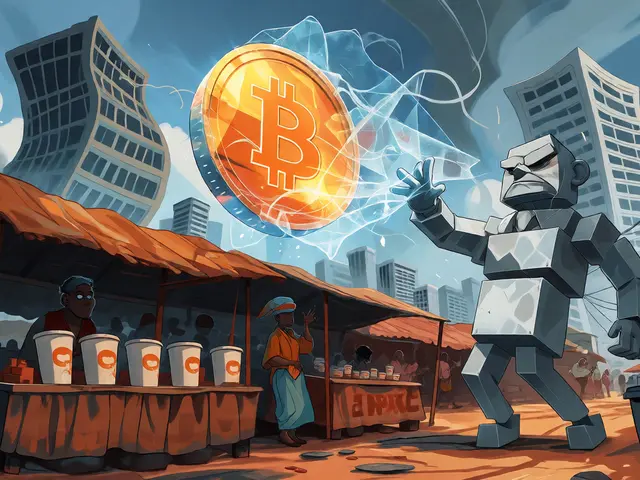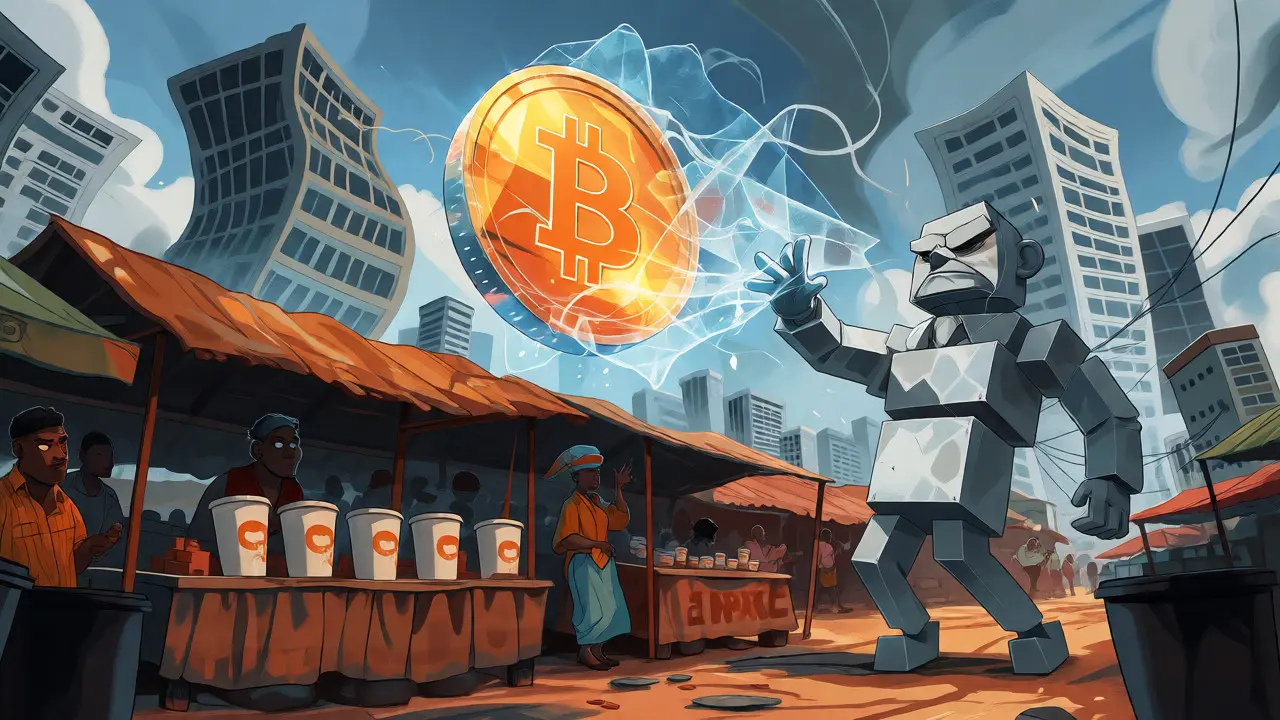
Imagine trying to buy a cup of coffee with Bitcoin in Lagos, only to have your bank freeze your account for the crime. That was reality for many Nigerians just a few years ago. The Central Bank of Nigeria (CBN) spent nearly a decade fighting a war against cryptocurrencies, moving from stern warnings to outright bans, and finally to regulated acceptance. Why did they change their minds? And what does this shift mean for investors today?
The story isn't just about money; it's about control, innovation, and survival. In 2017, the CBN warned banks away from virtual currencies. By 2021, they had effectively cut off the banking lifeline for crypto traders. Yet, by 2025, the landscape looks completely different. The government realized you can't ban code. This article breaks down that journey, explaining how regulatory pressure shaped one of Africa's largest crypto markets and where things stand right now.
The Early Warnings and Initial Restrictions (2017-2020)
It started quietly. On January 12, 2017, the CBN issued its first major circular on virtual currency operations. They didn't say crypto was illegal for individuals. Instead, they told banks not to touch it. The message was clear: if you want to trade Bitcoin or Ethereum, do it without our help. Banks were instructed to avoid holding or transacting in these assets. They also had to implement strict anti-money laundering (AML) checks for any existing customers involved in crypto exchanges.
This created a gray area. You could own crypto, but you couldn't easily move naira into or out of the system through traditional banking channels. Many traders adapted quickly. They used peer-to-peer (P2P) platforms, swapping cash for digital tokens directly with other users. It was clunky, risky, and slow, but it worked. The CBN’s stance during this period wasn’t about stopping adoption; it was about protecting the stability of the Nigerian Naira and preventing capital flight.
Then came 2020. While the world dealt with a pandemic, Nigeria faced civil unrest. Protesters took to the streets against police brutality. When the government froze bank accounts of key activists to disrupt funding, something unexpected happened. Donations flooded in via cryptocurrency. It was fast, borderless, and hard to block. This event highlighted a critical weakness in the CBN’s strategy: decentralized money doesn't need permission slips. The protests proved that banning access to banks didn't stop people from using crypto; it just made it harder for the state to monitor it.
The Hardline Shift: The 2021 Ban
Frustrated by the growing influence of digital assets, the CBN escalated its approach. On February 5, 2021, they released a letter to all deposit money banks and financial institutions. This wasn't a warning anymore; it was a directive. Banks were ordered to identify and close accounts belonging to anyone dealing in cryptocurrencies or operating crypto exchanges.
The impact was immediate and severe. Major exchanges like Binance and OKX found themselves locked out of the formal banking system. They couldn't process fiat payments easily. For the average Nigerian trader, this meant navigating a maze of P2P transactions. You’d find someone willing to send you USDT via Binance P2P, then transfer naira to their bank account manually. If your bank suspected crypto activity, they might flag your transaction or even suspend your account.
Did the ban work? Not really. Nigeria remained one of the top countries globally for crypto adoption. People continued to use stablecoins like USDT to hedge against inflation and devaluation of the Naira. The ban pushed the market underground, making it less transparent but no less active. It also hurt legitimate businesses that wanted to operate legally but couldn't get basic banking services.
A Dual Regulatory Approach Emerges
While the CBN played bad cop, another agency stepped up as good cop. The Securities and Exchange Commission (SEC) began taking a more nuanced view. In September 2020, the SEC released a statement classifying certain digital assets as securities. This was a crucial distinction. If a token acted like an investment, it fell under SEC jurisdiction, not necessarily CBN’s monetary policy.
This led to the formation of an Inter-Agency Committee on Virtual Currency. The goal was simple: create a framework that allowed both agencies to coexist. The CBN focused on payment systems and monetary stability, while the SEC handled investor protection and market integrity. This dual approach recognized that not all crypto is the same. A utility token used for gaming is different from a security token representing equity. Treating them all as "money" was a mistake, and regulators knew it.
The collaboration signaled a shift from prohibition to regulation. The government realized that ignoring the sector left billions of dollars in unregulated flows. Better to bring it inside the tent than let it run wild outside.
The Turning Point: VASP Guidelines and Legal Recognition
December 2023 marked the end of the hostile era. The CBN issued new guidelines for Virtual Asset Service Providers (VASPs). These rules allowed banks to open accounts for licensed crypto businesses again. But there was a catch: those businesses needed a license from the SEC.
This was the breakthrough. It created a clear path to legitimacy. Crypto firms could now operate openly, provided they met strict compliance standards. They had to implement robust Know Your Customer (KYC) procedures and report suspicious activities. This aligned Nigeria with global best practices, helping the country address concerns raised by the Financial Action Task Force (FATF).
In 2025, the Investments and Securities Act formally recognized digital assets as securities under SEC authority. This legal clarity removed years of ambiguity. Investors knew who protected them. Businesses knew what rules to follow. The fear of sudden account freezes diminished, encouraging institutional investment.
Market Consequences and Global Impact
The transition wasn't smooth. During the restrictive years (2021-2023), several prominent companies pulled out of Nigeria. OKX suspended services in July 2024, citing local law changes. Binance faced scrutiny, including the detention of executives over fund tracing issues. These exits showed that uncertainty drives business elsewhere.
However, the resilience of the Nigerian market surprised many. Despite the hurdles, trading volumes remained high. The demand for dollar-pegged stablecoins persisted due to economic pressures. Once regulations clarified, international exchanges began eyeing re-entry. The promise of a regulated market attracted serious players who previously avoided the risk.
| Period | Regulatory Stance | Bank Access | Key Directive |
|---|---|---|---|
| 2017-2020 | Warning / Caution | Limited / Restricted | Circular on Virtual Currency Operations |
| 2021-2023 | Prohibition / Ban | Closed for Crypto Firms | Letter to Deposit Money Banks (Feb 2021) |
| 2024-Present | Regulated Accommodation | Open for Licensed VASPs | VASP Guidelines & Investments Act 2025 |

Current Landscape: Balance Between Innovation and Control
Today, Nigeria walks a tightrope. The government wants to harness blockchain technology for financial inclusion and efficiency. At the same time, they worry about foreign exchange volatility. In 2024, officials blamed crypto traders for contributing to Naira instability. This tension remains. The CBN still monitors capital flows closely, ensuring that crypto doesn't become a loophole for bypassing forex controls.
For investors, the environment is clearer but stricter. Compliance is non-negotiable. Exchanges must verify identities rigorously. Transactions are traceable. This reduces fraud but adds friction. It’s a trade-off: safety for speed. For long-term holders and institutions, this stability is worth the hassle.
Nigeria’s evolution offers a lesson for other emerging markets. Prohibition rarely works against decentralized tech. Adaptation is inevitable. By moving from ban to regulation, Nigeria positioned itself as a leader in African crypto policy. It shows that monetary authorities can embrace disruption without losing control.
What This Means for You
If you’re looking at Nigeria as an investment destination, the regulatory risk has dropped significantly. The legal framework exists. The enforcement mechanisms are improving. However, stay alert. Policies can evolve. Keep an eye on SEC licensing lists and CBN circulars. Use reputable, licensed exchanges to ensure your funds are safe within the legal perimeter.
The Central Bank of Nigeria didn't just change its mind; it learned. It learned that you can't fight technology with bureaucracy alone. You have to regulate it, integrate it, and manage it. That journey, from 2017 warnings to 2025 recognition, defines the modern Nigerian crypto experience.
Is cryptocurrency legal in Nigeria?
Yes, owning and trading cryptocurrency is legal. The previous restrictions applied to banks facilitating transactions, not individual ownership. Current regulations allow licensed Virtual Asset Service Providers (VASPs) to operate legally.
Who regulates crypto in Nigeria?
The Securities and Exchange Commission (SEC) regulates digital assets classified as securities and licenses VASPs. The Central Bank of Nigeria (CBN) oversees banking relationships and monetary policy aspects related to virtual assets.
Why did the CBN ban crypto banks in 2021?
The CBN aimed to prevent money laundering, protect the value of the Naira, and maintain control over the financial system. They feared unregulated crypto flows would destabilize the economy and facilitate illicit finance.
Can I use my Nigerian bank account for crypto?
You can, but direct transfers to unlicensed exchanges may be flagged. Using a locally licensed VASP ensures smoother banking interactions. Always check if your exchange complies with current SEC and CBN guidelines.
What is a VASP in Nigeria?
A Virtual Asset Service Provider (VASP) is a business that facilitates crypto transactions, such as exchanges or wallet providers. Under new rules, VASPs must obtain a license from the SEC to operate legally and access banking services.