Imagine owning a piece of digital land that is more valuable than a small apartment in the real world, or designing a pair of virtual sneakers that a celebrity pays thousands to wear. This isn't science fiction; it's the current state of the digital economy. While the hype around virtual worlds has fluctuated, the actual infrastructure for Metaverse assets-digital items like virtual real estate, avatars, and wearables-is now a sophisticated market powered by blockchain technology.
If you're looking to move from being a spectator to a creator or trader, you need to understand that this isn't just about "making art." It's a blend of 3D design, smart contract logic, and market timing. Whether you want to build a career as a virtual architect or simply flip digital land for a profit, the barrier to entry is a mix of technical skill and capital.
What Exactly Are Metaverse Assets?
At their core, Metaverse assets are digital items that exist within virtual worlds and are owned via blockchain technology. Unlike a skin in a traditional game like Fortnite, which the company owns and you simply license, these assets are typically NFTs (Non-Fungible Tokens). This means you actually own the deed to the item, allowing you to sell it outside the platform where it was created.
These assets generally fall into four main categories:
- Virtual Real Estate: Plots of land (like Decentraland LAND parcels) used for hosting events, stores, or galleries.
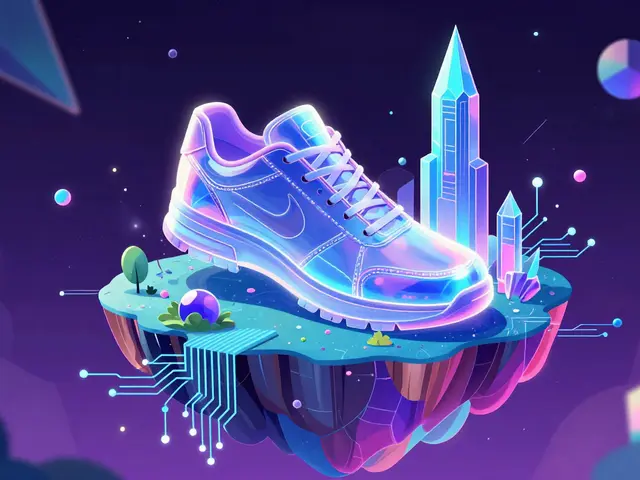
- Wearables: Clothing, accessories, and skins for avatars.
- Architectural Structures: Buildings, houses, and interactive environments.
- Interactive Objects: Tools, game items, or art installations that users can engage with.
The Creator's Toolkit: From Concept to Minting
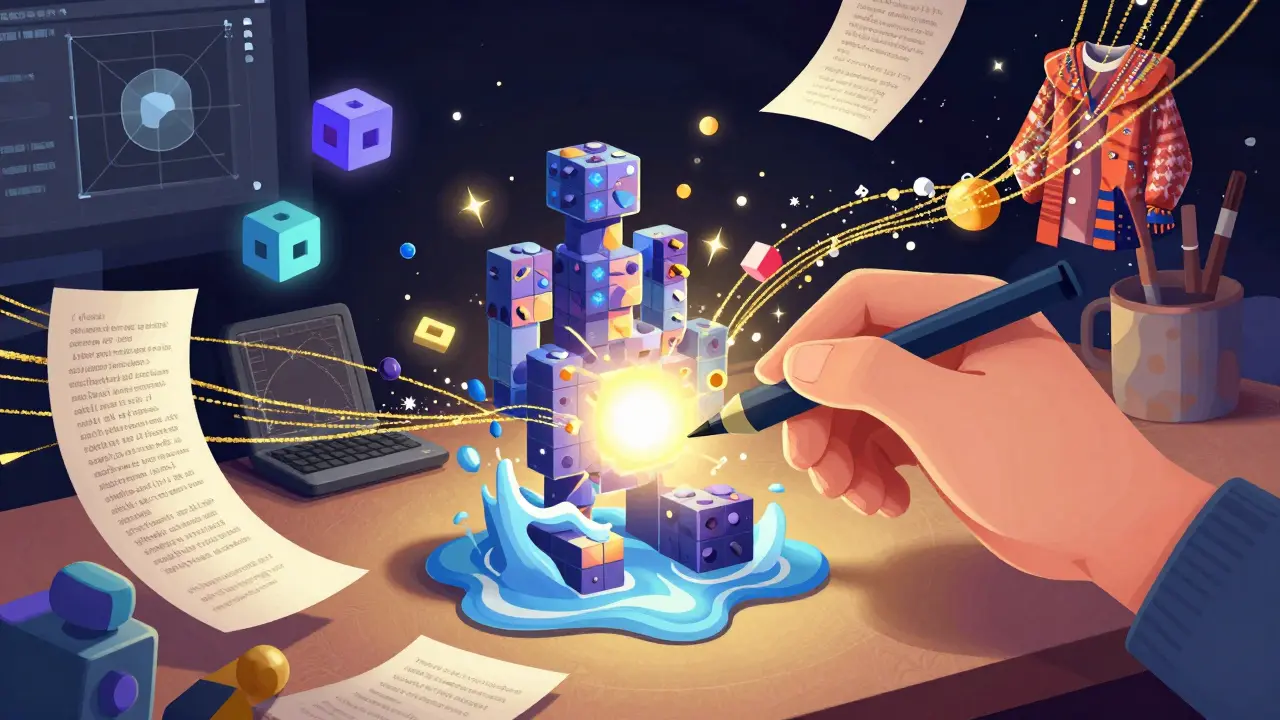
Creating a professional-grade asset requires more than a basic drawing app. You need to navigate a pipeline that starts with 3D modeling and ends with a blockchain transaction.
Step 1: 3D Modeling and Design
Most creators start with Blender, which is a free, open-source 3D suite. If you have a larger budget, industry standards like Autodesk Maya or 3ds Max are common, though they come with steep annual subscription costs.
You can't just make a high-detail model and upload it; virtual worlds have strict performance limits. For example, a wearable item usually needs a polygon count between 500 and 5,000. If you're building a house, you can go higher, typically between 10,000 and 50,000 polygons. If your file is too heavy, the platform will either reject it or it will lag so badly that no one will visit your space.
Step 2: Platform Specifications
Every metaverse has its own "language." If you're targeting Decentraland, you must use GLB format files under 20MB. If you prefer the voxel-based look (like digital LEGOs) of The Sandbox, you'll use the VoxEdit tool to create VXM files within a maximum 32x32x32 voxel dimension.
Step 3: Minting and Smart Contracts
Once the asset is designed, it needs to be "minted" on a blockchain. This is where Ethereum dominates, using the ERC-721 standard for unique items or ERC-1155 for items with multiple copies. You'll write the logic using the Solidity programming language. Be warned: minting on Ethereum can be expensive, with gas fees sometimes hitting $200 during peak traffic. Many new creators are switching to the Polygon blockchain, where fees are often as low as $0.01.
| Feature | Decentraland | The Sandbox | Polygon (General) |
|---|---|---|---|
| Primary Format | GLB | VXM (Voxels) | Various (NFT) |
| Max File Size | 20MB | Voxel Limit | Variable |
| Typical Gas Cost | High (Ethereum) | High (Ethereum) | Very Low |
| Entry Barrier | Medium (Technical) | Low (Game Maker) | Low (Cost) |
Trading Strategies: Flipping and Investing
Trading metaverse assets is less like buying a stock and more like flipping real estate. You aren't just looking at a price chart; you're looking at "location, location, location."
Virtual Real Estate
In platforms like Decentraland and The Sandbox, land is finite. The most valuable parcels are those near "hubs" or where major brands like Nike or Gucci have set up shop. While some parcels have reached millions of dollars in peak hype, average prices currently hover between $800 and $15,000 depending on the plot. The goal is to buy under-utilized land in a growing district and either develop it (build a gallery) or sell it to a brand needing a presence there.
The Wearables Market
Wearables are the "fast fashion" of the metaverse. They have a lower entry price (often $20 to $500) but higher volume. Successful creators often release collections that tap into current trends. Some top-tier digital fashion designers have reported making over $50,000 monthly by creating high-demand accessories that allow users to express their identity in virtual spaces.
Where to Trade
OpenSea remains the biggest marketplace, handling billions in transactions. However, using platform-specific marketplaces (like the Decentraland Marketplace) can sometimes provide better visibility to the actual users of that world, even if they charge a 2-5% transaction fee.
The Risks: Bubbles and Barriers
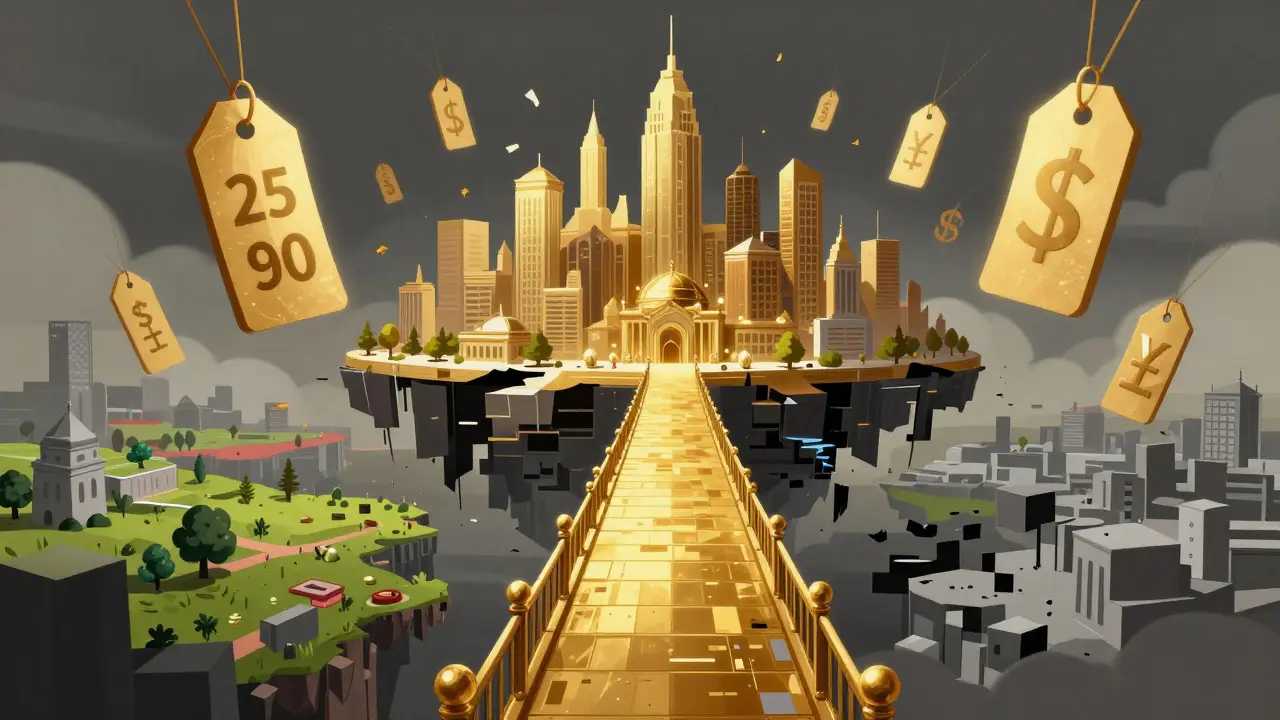
It's not all easy money. There are significant pitfalls that can wipe out a beginner's portfolio. The biggest risk is artificial scarcity. Critics like Jaron Lanier argue that creating "limited edition" digital items in an infinite digital space is a speculative bubble. If the platform loses its users, your expensive digital land becomes a deed to a ghost town.
Technical frustration is another hurdle. Many newcomers spend hundreds of dollars in gas fees just trying to mint their first collection, only to find that the assets don't render correctly in-game. Furthermore, data suggests that only about 15-20% of metaverse assets actually maintain or increase their value after six months. Most are "illiquid," meaning you might have an asset "worth" $5,000, but no one is actually willing to buy it from you at that price.
Getting Started: A Practical Path
If you're serious about this, don't start by buying expensive land. Start by building skills.
- Learn the Basics: Spend a month with Blender. Learn how to manage polygon counts so your models don't crash the server.
- Explore for Free: Use the Decentraland Builder or The Sandbox Game Maker. These are free browser-based tools that let you experiment without spending a dime on gas fees.
- Join the Community: Get into the Discord servers. With over 100,000 members in the Decentraland community, this is where you'll find out which trends are emerging and who is looking for a virtual architect.
- Start Small: Mint a small collection of wearables on Polygon to avoid high Ethereum fees while you test the market appetite.
Do I need to know how to code to create metaverse assets?
Not necessarily. For simple 3D models, you only need design software like Blender. However, if you want your asset to be interactive-like a door that opens or a game mechanism-you'll need to learn Solidity for smart contracts or use the visual scripting tools provided by platforms like The Sandbox.
Which blockchain is best for new creators?
Polygon is generally better for beginners because the transaction costs (gas fees) are fractions of a cent. While Ethereum has the most buyers and the highest volume, the high cost of minting can be a major deterrent for those just starting out.
Is virtual real estate a safe investment?
It is high-risk. Value is driven by scarcity and user adoption. If a platform fails to attract daily active users, the land value can crash. It's more like a venture capital bet than a traditional real estate investment.
What is the difference between ERC-721 and ERC-1155?
ERC-721 is for completely unique items (one-of-a-kind art or a specific plot of land). ERC-1155 allows for "semi-fungible" tokens, meaning you can create a series of 100 identical hats. This is much more efficient for wearables as it reduces the number of smart contract transactions needed.
How long does it take to become a professional metaverse architect?
Based on community experiences, it typically takes 6-8 months of dedicated practice to master 3D modeling, platform-specific constraints, and the economic nuances of the virtual world before you can consistently earn a professional income.


Jimmy vasquez
April 29, 2026 AT 09:49Blender is definitely the way to go for anyone starting out. It's totally free and there are a million tutorials on YouTube to get you up to speed with the interface before you dive into the specific polygon limits of these platforms.
Emily A
April 29, 2026 AT 23:03The obsession with "virtual real estate" is frankly laughable. People are paying thousands for coordinates in a database that can be deleted by a company's bankruptcy or a simple server migration. It is a textbook example of the Greater Fool Theory in action.
Janis Naglis
May 1, 2026 AT 15:30I love the energy here!!! If you're feeling overwhelmed by the L1 vs L2 scaling solutions, just remember that the interoperability of these assets is the real endgame... it's all about that synergistic growth across the ecosystem!!! Keep pushing those boundaries!!!
Sri Astuti
May 3, 2026 AT 01:37Honestly, the claim that 15-20% of assets maintain value is actually being way too generous because if you actually look at the floor prices on OpenSea for mid-tier wearables, you'll see a complete bloodbath where liquidity has basically vanished and most of these "creators" are just holding bags of worthless pixels while pretending they're "investing" in the future 🙄.
Kathleen Warren
May 3, 2026 AT 20:22It's okay to feel a bit lost with all the technical stuff. Just take it one step at a time and don't feel bad if the coding part seems scary at first.
Andrew Todd
May 5, 2026 AT 15:07This stuff is a joke. Only losers buy fake land. Real men buy real land in America. The rest of you are just playing dress up with your computer.
Elle Kharitou
May 7, 2026 AT 12:00There is something deeply poetic about the way we are redefining ownership in a digital age, shifting from the tangible to the conceptual while we explore these new frontiers of human interaction 🌌. It's not just about the profit, but about how we build community and shared identity in a space that has no borders, allowing us to be whoever we want to be without the constraints of physical reality 🌏✨.
Harvey Alford
May 8, 2026 AT 22:30I bet you spent way too much on those wearables.
Gabrielle Danis
May 9, 2026 AT 21:16For those using Polygon, make sure you are using a reliable bridge to move your assets back to Ethereum if you intend to list them on high-volume marketplaces, as the liquidity gap can be significant. Additionally, always verify the smart contract address before minting to avoid phishing sites that mimic official platform portals. Using a hardware wallet is non-negotiable for anyone storing assets with a value exceeding a few hundred dollars. Most beginners overlook the importance of metadata storage; if the platform uses a centralized server for the image and that server goes down, your NFT becomes a broken link. I highly recommend using IPFS for permanent storage of your 3D models. Many creators also forget to optimize their textures, which can lead to slow loading times even if the polygon count is low. Check your draw calls and keep your texture maps consolidated into a single atlas to ensure a smooth user experience. It is also worth noting that the legal landscape regarding digital ownership is still evolving, so reading the Terms of Service for each platform is crucial. Finally, keep an eye on the gas trackers to time your mints during low-traffic windows if you are stuck on the mainnet. Consistent quality over quantity is the only way to build a sustainable brand in the virtual fashion space. Avoid the temptation to spam the market with low-effort assets.