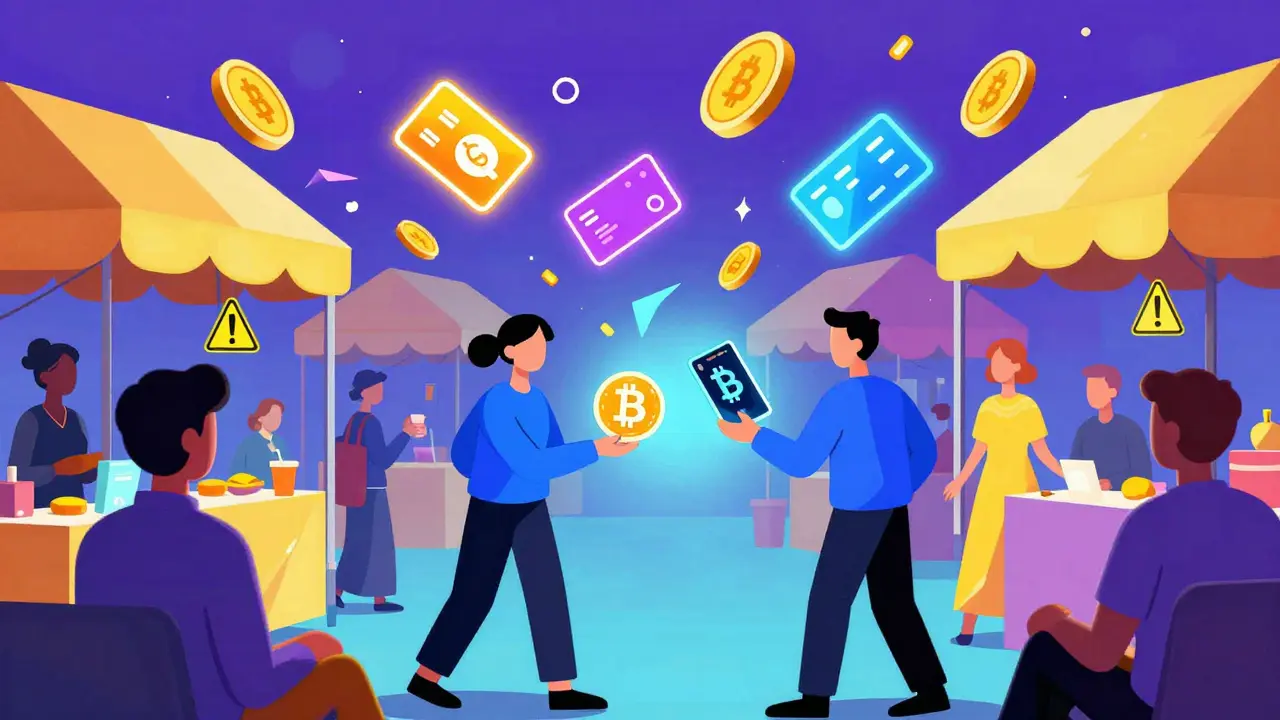
You want to trade Bitcoin or USDT without dealing with strict bank regulations. You hear about CoinCola, a platform promising low fees and easy peer-to-peer (P2P) transactions. But before you deposit your hard-earned money, you need to know the real story behind the marketing. CoinCola is not just another exchange; it is a controversial platform that sits in the gray area of crypto regulation. While it offers unique features like gift card trading, user reports from recent years raise serious red flags about account freezes and withdrawal limits.
This review cuts through the noise. We will look at how CoinCola works, whether it is actually safe for your funds, and if there are better alternatives for your specific needs. If you are looking for a quick answer: CoinCola might work for small, occasional trades in specific regions, but it carries significant risk compared to established exchanges.
What Exactly Is CoinCola?
CoinCola is a global cryptocurrency trading marketplace that facilitates peer-to-peer (P2P) transactions, spot trading, and gift card exchanges. Founded by blockchain enthusiasts, the platform launched its services to bridge the gap between traditional finance and the decentralized crypto world. Unlike centralized exchanges like Coinbase or Binance, which act as intermediaries holding your funds, CoinCola positions itself closer to platforms like LocalBitcoins. It connects buyers and sellers directly, using an escrow system to hold funds until the transaction is confirmed.
The platform operates via a website and mobile apps available on iOS and Android. Its core promise is simplicity and accessibility, particularly in emerging markets where banking infrastructure is limited. For example, CoinCola has made a strong push into Nigeria, supporting Naira transactions and local payment methods like mobile money and airtime purchases. This regional focus allows users in these areas to buy crypto without needing a traditional bank account, which is a major advantage in those specific locales.
How Does CoinCola Work?
Understanding the mechanics of CoinCola is crucial because its model differs from standard exchanges. Here is the step-by-step process:
- Create an Account: You sign up using your email or phone number. The platform requires some level of verification, though the speed and thoroughness of this process vary widely among users.
- Choose a Trading Method: You can opt for Spot/Margin trading (buying/selling against the market) or P2P trading (finding a specific seller/buyer). P2P is the most popular feature due to its lower fees and privacy.
- Select Payment Method: In P2P mode, you choose how you want to pay-bank transfer, mobile wallet, or even gift cards.
- Escrow Protection: When you agree on a price with a counterparty, CoinCola locks the seller's crypto in escrow. You send the fiat currency (or gift card code) to the seller directly.
- Release Funds: Once the seller confirms receipt of payment, they release the crypto from escrow to your wallet. If there is a dispute, CoinCola support steps in to mediate.
This structure sounds secure, but the weak link is often the human element. Since payments happen outside the platform’s direct control (you send money to a person, not CoinCola), disputes can become messy. The quality of customer support during these disputes becomes the deciding factor for your experience.
Safety and Security: What Are the Risks?
Security is the most critical aspect of any crypto exchange. CoinCola claims to use "bank-level encryption," cold storage for assets, and SSL protocols. They state their security team has over ten years of experience. On paper, this sounds robust. However, practical security is defined by how a platform handles user complaints and regulatory compliance.
Here is where things get complicated. As of late 2023 and extending into 2024, numerous users reported issues on platforms like Trustpilot and Google Play. Common complaints include:
- Account Freezes: Users report having their accounts locked without clear explanation, often citing "multiple order disputes" or suspicious activity.
- Withdrawal Blocks: Some users found themselves unable to withdraw small balances. For instance, one user could not withdraw 0.0003 BTC because it fell below the minimum withdrawal threshold of 0.0004 BTC, effectively trapping their funds.
- Verification Delays: Reports indicate that identity verification (KYC) can take more than 48 hours, leaving users in limbo.
Unlike Coinbase, which is registered with the SEC, or Kraken, which holds licenses in multiple jurisdictions, CoinCola lacks transparent regulatory credentials. This means if something goes wrong, you have little legal recourse. In regulated markets like the US or EU, this lack of oversight is a significant red flag. In unregulated markets, it is a necessary evil for many users, but it still carries higher risk.

Fees and Costs: Hidden Charges?
CoinCola markets itself as a "low fee" platform. Their official stance is that retail users pay no hidden fees, and transaction costs are charged only to vendors who post advertisements. They also claim internal transfers between CoinCola users are free. This is a compelling selling point for high-frequency traders.
However, user experiences suggest otherwise. While there may not be explicit "trading fees" displayed upfront, the friction costs can be high. These include:
- Spread Costs: In P2P trading, prices are set by individual sellers. To ensure fast execution, sellers often add a premium to the market rate. This spread can be significantly higher than the 0.1% fee charged by Binance for spot trading.
- Minimum Withdrawals: As mentioned earlier, minimum withdrawal limits can trap small amounts of capital. If you trade frequently with small sums, these trapped funds add up.
- Gift Card Premiums: If you use the gift card feature, expect to pay a premium. Gift cards are illiquid and carry fraud risks, so sellers charge higher rates to compensate.
For large transactions, the lack of transparency in exact percentage fees makes it difficult to calculate true costs. Always compare the final P2P offer price against the current market rate on CoinMarketCap before executing a trade.
CoinCola vs. Competitors: How Does It Stack Up?
To understand CoinCola’s position, we must compare it to other players in the space. Here is a breakdown of how it compares to major alternatives:
| Feature | CoinCola | Binance | Paxful | LocalBitcoins |
|---|---|---|---|---|
| Primary Focus | P2P & Gift Cards | Spot & Futures | P2P (High Risk) | P2P (Legacy) |
| Regulatory Status | Unclear/Unverified | Licensed in Many Jurisdictions | FinCEN Registered (US) | Limited Licensing |
| Fees | Low/Hidden Spreads | 0.1% Standard | High (1-5%) | High (Variable) |
| User Trust Rating | Mixed/Low | High | Mixed | Mixed |
| Best For | Emerging Markets, Small Trades | Professional Traders, Large Volumes | Privacy-Focused Users | Legacy P2P Users |
Binance offers superior liquidity, security, and regulatory clarity but may be inaccessible in certain countries due to sanctions. Paxful is similar to CoinCola in its P2P focus but has faced significant regulatory scrutiny from FinCEN in the US. LocalBitcoins is a veteran in the P2P space but has seen declining activity due to stricter KYC requirements. CoinCola fills a niche for users who cannot access Binance and want more flexibility than LocalBitcoins offers, but it does so at the cost of trust and security.

Pros and Cons at a Glance
Before making a decision, weigh these factors carefully:
Pros:
- Accessibility: Works well in regions with limited banking infrastructure, such as Nigeria and parts of Southeast Asia.
- Gift Card Trading: Unique feature allowing conversion of crypto to Amazon, iTunes, and Google Play cards.
- Low Barrier to Entry: Easy to sign up and start trading with small amounts.
- P2P Flexibility: Direct negotiation with sellers allows for customized payment terms.
Cons:
- Trust Issues: Numerous reports of frozen accounts and withheld withdrawals.
- Lack of Regulation: No clear licensing from major financial authorities like the SEC or FCA.
- Poor Customer Support: Responses to disputes are often slow or unhelpful.
- Hidden Costs: High spreads in P2P trading and minimum withdrawal limits can erode profits.
- Security Risks: Reliance on user-to-user payments increases the risk of fraud and scams.
Who Should Use CoinCola?
CoinCola is not for everyone. It is specifically designed for users who fall into these categories:
- Residents of Emerging Markets: If you live in a country where Binance or Coinbase is blocked, and local banks do not support crypto, CoinCola provides a viable alternative.
- Small-Scale Traders: If you are moving small amounts of money (e.g., under $500) and value convenience over security.
- Gift Card Enthusiasts: If you frequently need to convert crypto to digital gift cards for online shopping.
If you are a professional trader, hold significant capital, or reside in a highly regulated jurisdiction like the US or EU, CoinCola is likely too risky. The potential for losing funds due to account freezes or unresolved disputes outweighs the benefits of lower fees.
Final Verdict: Proceed With Caution
CoinCola serves a specific purpose in the crypto ecosystem. It democratizes access to cryptocurrency for users in underserved markets and offers unique features like gift card trading. However, it comes with substantial risks. The lack of regulatory oversight, combined with a history of user complaints regarding withdrawals and support, means you should never store large amounts of money on the platform.
If you decide to use CoinCola, treat it as a hot wallet for immediate transactions only. Buy what you need, sell when necessary, and move your remaining funds to a hardware wallet or a more reputable exchange immediately. Never view CoinCola as a long-term savings account. The convenience it offers is real, but the safety net is thin.
Is CoinCola a scam?
CoinCola is not inherently a scam in the sense that it does not exist solely to steal money. It is a legitimate operating business with active users. However, it has characteristics of high-risk platforms, including unresolved user complaints about frozen funds and poor customer service. Many users feel scammed due to these operational failures, even if the platform itself is not fraudulent.
Can I use CoinCola in the United States?
While CoinCola does not explicitly ban US users in all cases, its lack of regulatory compliance with the SEC makes it a risky choice for American residents. Most US users are better served by regulated exchanges like Coinbase, Kraken, or Binance.US, which offer legal protections and insurance for held assets.
What are the fees on CoinCola?
CoinCola claims to have no hidden fees for retail users, with costs passed to vendors. However, in practice, P2P traders face high spreads (the difference between the market price and the seller's price). Additionally, there are minimum withdrawal thresholds that can trap small balances. Always check the specific offer price before trading.
How long does verification take on CoinCola?
Verification times vary significantly. While some users report quick approvals, others have documented delays exceeding 48 hours. During peak times or if additional documentation is requested, the process can take several days. It is advisable to complete verification well before you intend to make large transactions.
Is my money safe on CoinCola?
Your money is not insured by any government body like the FDIC. While CoinCola uses cold storage and encryption, the primary risk is not hacking but rather platform insolvency or account restrictions. Given the reports of frozen accounts, it is safest to keep only small amounts on the platform and withdraw regularly.




Larry Port
May 6, 2026 AT 06:35Look, I've been in the crypto space since 2017 and I have to say this review hits the nail on the head regarding CoinCola. It's not that they are outright scammers stealing your wallet keys, but the operational negligence is real. The escrow system sounds good on paper until you realize the support team takes weeks to respond during disputes. I remember a thread where a user sent bank transfer proof and just vanished into the void for ten days. That is unacceptable risk for any serious trader. You might get lucky with small amounts under $50, but once you start moving meaningful capital, the lack of regulatory oversight becomes a nightmare. If you live in a region where Binance or Kraken are blocked, sure, it's your only option. But if you have alternatives, stick to them. The spread costs alone on P2P offers usually eat up any 'low fee' advantage they claim to have. It's basically a tax on convenience for people who can't access proper banking rails.
Zara Zaman
May 6, 2026 AT 15:23This article is pure fear-mongering designed to keep people away from decentralized opportunities. Who cares about SEC regulations when the traditional banking system is rigged against us anyway? I use CoinCola because it works. I don't need some government agency telling me how to trade my own assets. The complaints about frozen accounts are likely from people doing shady stuff trying to bypass sanctions. If you're operating legally, you won't have issues. Stop listening to these mainstream narratives that try to paint every non-compliant exchange as a scam just because they don't fit the corporate mold. We need platforms that actually serve the unbanked populations in developing nations, not ones that prioritize red tape over accessibility.
Bronwen Butler
May 7, 2026 AT 10:51you guys are missing the point entirely. coincola isn't an exchange its a marketplace. comparing it to binance is like comparing ebay to amazon. one holds inventory the other connects buyers and sellers. the risk isn't the platform its the counterparty. if you trade with verified merchants with high completion rates you will be fine. the issue is users wanting anonymity while expecting institutional grade security which doesn't exist in p2p models. also gift card trading is niche but useful for specific arbitrage plays if you know what you're doing
Jocelyn Garcia
May 8, 2026 AT 02:37The liquidity fragmentation on CoinCola is pretty wild compared to major CEXs. When you look at the order book depth for USDT pairs, the slippage can be brutal if you aren't careful. I did some backtesting on their historical P2P spreads versus Binance P2P and the variance is significant. For high-frequency traders, the API latency and lack of advanced order types make it unusable. It really only makes sense for OTC-style deals or regions with strict capital controls where fiat off-ramps are non-existent. The tech stack feels outdated too, mobile app crashes are frequent during peak volatility hours. Not saying it's a scam, just that the UX friction is a feature, not a bug, for their target demographic.
Amit Varpe
May 9, 2026 AT 15:28lol nice try mr patriot 🇺🇸 go cry to your sec about how they regulate everything. meanwhile here we just want to move money without being spied on by the feds. coincola does its job. i bought btc last week with no hassle. your comment is based on western privilege. deal with it 😂