Ever felt like you missed out on the next big thing in crypto because you weren't looking at the right screen at the right time? The Lunar (LNR) Giveaway airdrop was exactly that kind of opportunity. It wasn't just another token drop; it was a limited NFT distribution campaign hosted on CoinMarketCap that rewarded active community members with exclusive digital assets. If you were part of the Lunar ecosystem or just love hunting for free crypto perks, understanding how this specific campaign worked is key to spotting similar opportunities in the future.
What Was the Lunar (LNR) Giveaway?
The Lunar project, often referred to as "Lunar (Old)" to distinguish it from newer iterations, launched a targeted marketing initiative known as the LNR Giveaway. Unlike standard airdrops that spray tokens to thousands of wallets, this campaign was designed for exclusivity. The team set aside exactly 140 NFTs for distribution. That’s it. One hundred and forty winners would each receive one NFT. This scarcity model created a sense of urgency and value that typical mass-distribution campaigns lack.
The campaign operated on the Binance Smart Chain (BSC), now known as BNB Chain. This choice signaled Lunar's commitment to the Binance ecosystem, which was booming with DeFi activity and NFT adoption during the campaign's active period. By partnering with CoinMarketCap the leading cryptocurrency data aggregator, Lunar gained massive visibility. CoinMarketCap didn't just list the token; they hosted the giveaway, lending credibility to a smaller project trying to break into a crowded market.
How to Participate: The Step-by-Step Process
Getting your hands on one of those 140 NFTs required more than just having a wallet address. The Lunar team wanted engaged users, not passive holders. They structured the participation process to ensure participants were actually involved in the community. Here is exactly what you had to do:
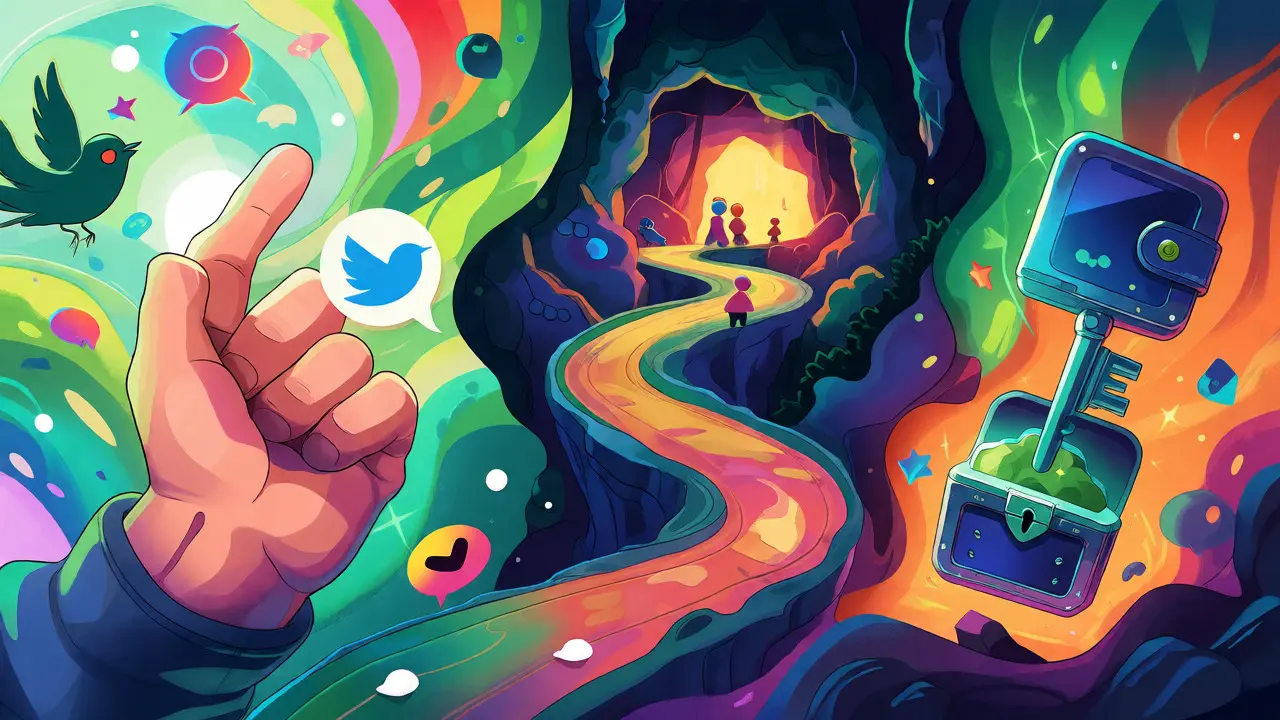
- Engage on Twitter: You needed to retweet the official Lunar Airdrop event tweet. But that wasn't enough-you also had to tag three friends. This viral mechanic helped spread awareness beyond the existing user base.
- Join the Community: Participants were required to join the official Lunar Telegram channel. This ensured that once you won, you’d stay connected to project updates and announcements.
- Submit Your Wallet: Finally, you had to fill out an application form on the CoinMarketCap platform. Crucially, you needed to provide a valid BSC wallet address compatible with the Binance Smart Chain network. Without this, you couldn't receive the NFT reward.
This multi-step approach filtered out bots and casual observers. If you skipped the Telegram step or forgot to tag friends, you likely didn't qualify. It was a test of genuine interest in the Lunar ecosystem.
NFT Rewards vs. Traditional Token Airdrops
Why did Lunar choose NFTs instead of tokens? In 2021 and 2022, many projects realized that giving away fungible tokens often led to immediate sell-offs. Recipients would dump the tokens for quick profit, causing price volatility. NFTs, however, are unique. They carry collectible value and potential utility within the project's specific ecosystem. By distributing NFTs, Lunar aimed to create a loyal collector base rather than a transient trader group.
The limited supply of 140 units meant these NFTs had higher perceived value per unit compared to a million-token drop. For participants, winning one felt like earning a badge of honor-a proof of early support for the project. This strategy aligns with broader trends where projects use non-fungible assets to build long-term community identity.
| Feature | Lunar LNR NFT Giveaway | Standard Token Airdrop |
|---|---|---|
| Reward Type | Unique NFT (Non-Fungible Token) | Fungible Tokens (e.g., ERC-20/BEP-20) |
| Supply Limit | Fixed at 140 units | Often unlimited or very high volume |
| Network | Binance Smart Chain (BNB Chain) | Varies (Ethereum, Solana, etc.) |
| Participation Effort | High (Social tasks + Form) | Low (Wallet connection only) |
| Goal | Community Loyalty & Collectibility | User Acquisition & Liquidity |
The Role of CoinMarketCap in the Campaign
You might wonder why CoinMarketCap got involved. For smaller projects like Lunar, getting listed on major exchanges takes time and significant capital. Partnering with CoinMarketCap for a giveaway provided instant legitimacy. Users trust CoinMarketCap to vet basic security aspects of a campaign. However, it’s important to note that CoinMarketCap primarily served as the hosting and promotional platform. The actual selection of winners and the technical distribution of the NFTs were handled by the Lunar team themselves.
This distinction matters if you ever encounter issues with your claim. Since Lunar managed the distribution, any delays or errors in sending the NFT to your BSC wallet would need to be resolved directly with their support team, not CoinMarketCap support. The partnership was about reach and trust, not operational management.
Key Takeaways for Future Airdrops
The Lunar (LNR) Giveaway serves as a case study for how modern crypto marketing works. It wasn't just about handing out free stuff; it was about buying attention and loyalty with scarce digital assets. Here is what you can learn from this campaign for your own crypto journey:
- Scarcity Drives Value: A small number of rewards creates excitement. Don't ignore small-scale campaigns; they often have better odds than massive drops.
- Ecosystem Alignment Matters: Knowing which chain a project uses (like BNB Chain for Lunar) helps you prepare the right wallet and understand gas fees.
- Community is Currency: Projects reward those who actively participate in social channels. Joining Telegram or Discord isn't just noise; it's often a requirement for eligibility.
- Verify Sources: Always check official links. The Lunar campaign used specific Twitter and Telegram links. Phishing scams thrive on fake airdrop pages, so double-check URLs before connecting your wallet.
While the Lunar (Old) project may have evolved or faded from the spotlight, the mechanics of its giveaway remain relevant. Crypto enthusiasts should keep an eye on CoinMarketCap’s "Upcoming Events" section. Limited NFT giveaways are still a popular way for new projects to launch, and understanding the rules-like the need for a BSC-compatible address-can mean the difference between claiming a reward and missing out entirely.
What was the total supply of NFTs in the Lunar (LNR) Giveaway?
The campaign distributed exactly 140 NFTs. Each winner received one NFT, meaning there were only 140 spots available for the entire campaign.
Which blockchain network was used for the Lunar LNR airdrop?
The rewards were distributed on the Binance Smart Chain (now called BNB Chain). Participants needed a compatible BSC wallet address to receive their NFTs.
Did I need to hold Lunar tokens to participate in the giveaway?
No, holding tokens was not a primary requirement. Participation was based on completing social media tasks (retweeting and tagging friends), joining the Telegram community, and submitting a valid wallet address via the CoinMarketCap form.
Who was responsible for selecting the winners?
The Lunar project team was responsible for selecting winners and distributing the rewards. CoinMarketCap served as the hosting platform for the campaign but did not manage the actual distribution mechanics.
Why did Lunar choose NFTs instead of tokens for this airdrop?
NFTs offer uniqueness and potential long-term utility or collectibility. Unlike fungible tokens, which are often sold immediately after receipt, NFTs can retain value and serve as proof of early community membership, fostering stronger loyalty.