Crypto Compliance: What It Really Means for Traders and Investors
When we talk about crypto compliance, the set of rules and legal requirements that govern how cryptocurrencies are used, taxed, and traded within a country. Also known as crypto regulation, it's not just about government crackdowns—it's about whether you can actually use Bitcoin to pay for groceries, send money to family abroad, or trade without losing everything to a fake exchange. In places like India, where crypto taxes hit hard but adoption keeps rising, or in Cuba, where people rely on Ethereum to bypass U.S. sanctions, compliance isn't a checklist—it's a survival tactic.
Compliance doesn’t just mean following laws. It means knowing which exchanges are licensed, which tokens are scams, and when a government freeze—like the $150 million in the Philippines—could wipe out your holdings overnight. The unregulated exchanges, crypto platforms with no official oversight, licenses, or security audits. Also known as dark pool exchanges, they’re everywhere: ko.one, Horizon Dex, BITEXBOOK, and 50x.com all look real until you dig deeper—and realize they’re ghost sites with zero user reviews or proof of operation. Meanwhile, crypto taxes, the fees and reporting rules governments impose on crypto gains, sales, and income. Also known as digital asset taxation, they vary wildly: in Bangladesh, trading isn’t technically illegal but can land you in prison if you’re caught; in Turkey, you can trade freely but can’t use crypto to buy coffee. The gap between what’s written on paper and what people actually do is where most of the action happens.
What you’ll find here isn’t a list of legal opinions. It’s real stories: how students in India use stablecoins to avoid bank fees, how Cubans trade Bitcoin on P2P apps to survive, how Filipinos lost millions because they trusted an unlicensed platform, and why a 12-year prison sentence in Bangladesh is mostly a myth. You’ll see which airdrops are real (like GEMS NFT) and which are pure scams (like VDV VIRVIA). You’ll learn how smart contract audits from firms like CertiK and OpenZeppelin help protect you—and why most new tokens skip them entirely. This isn’t theory. It’s what’s happening right now, on the ground, in countries where the rules are unclear but the stakes are high. If you’re holding crypto, you’re already part of this system. The question is: are you protected—or just lucky?

Crypto Trading in Restricted Countries: A Compliance-First Guide
Learn how to navigate cryptocurrency trading in restricted countries using a compliance-first strategy, focusing on legal distinctions and risk mitigation.
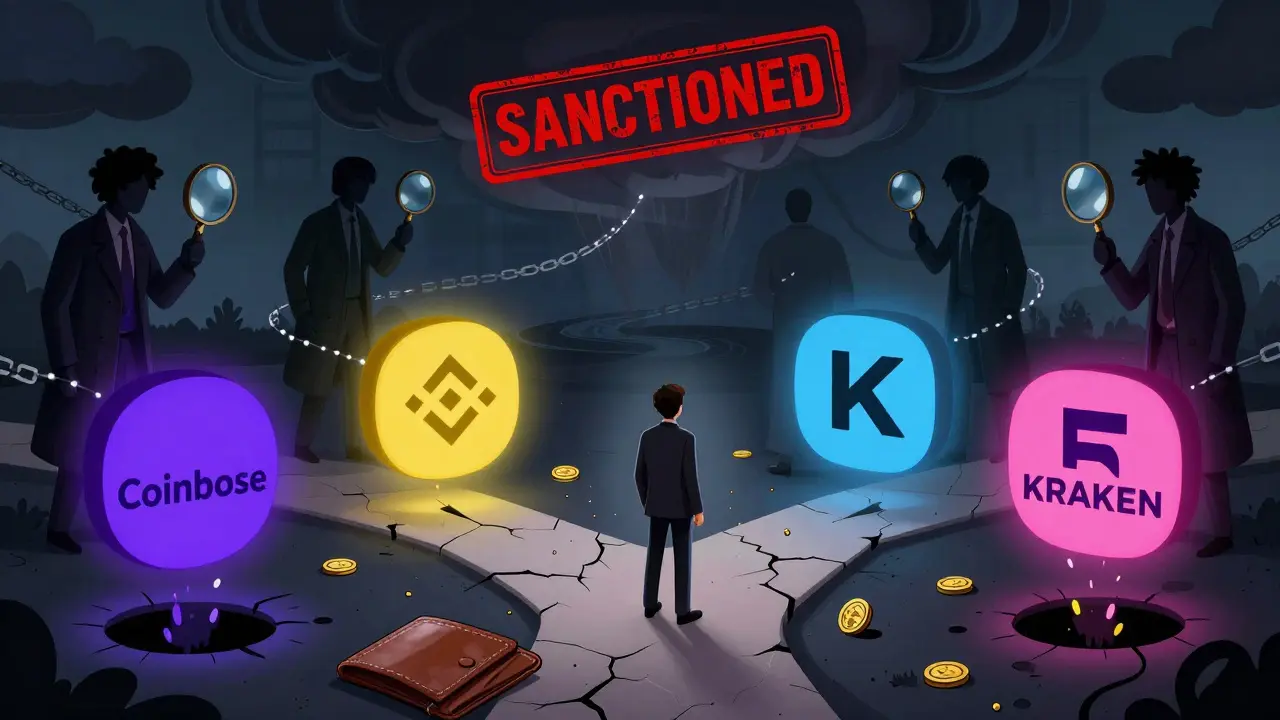
Using Multiple Crypto Exchanges to Avoid Restrictions: Risks and Realities
Using multiple crypto exchanges to avoid restrictions may seem like a smart move, but it often crosses into illegal territory. Learn how regulators track these moves and why the risks far outweigh the rewards.
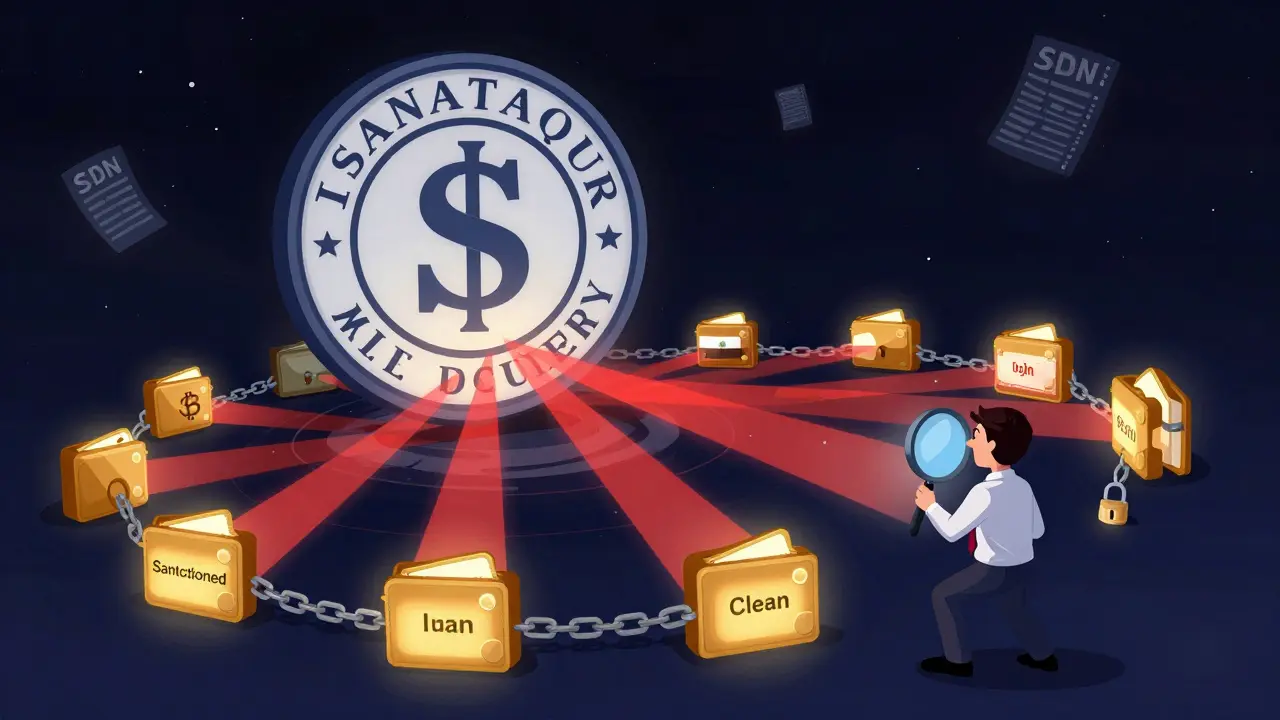
OFAC Cryptocurrency Sanctions and Compliance: What Businesses Must Do Now
OFAC cryptocurrency sanctions apply to all crypto businesses connected to the U.S. financial system. Compliance isn't optional-failure means fines, loss of banking access, or shutdown. Learn what you must do now to avoid penalties.
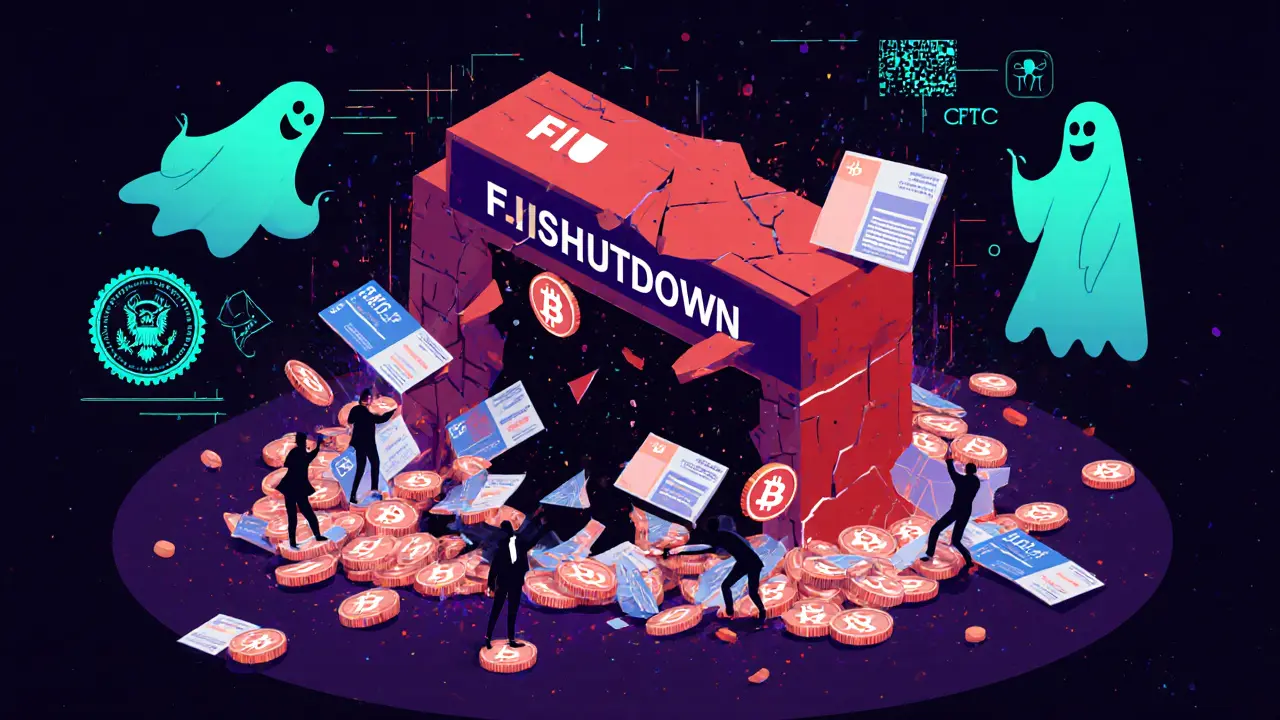
No-KYC Crypto Exchange Shutdowns by Authorities: What Happened and Why It Matters
No-KYC crypto exchanges are being shut down worldwide as regulators crack down on money laundering and fraud. Major platforms like KuCoin and BitMex have been forced out of key markets, while compliance has become the new standard for survival.