Crypto Regulation Philippines
When you trade cryptocurrency in the Crypto Regulation Philippines, the set of legal and compliance rules enforced by the Securities and Exchange Commission of the Philippines to oversee digital asset platforms and protect investors. Also known as Philippine crypto laws, it’s not about banning crypto—it’s about controlling how it’s used, taxed, and traded. Unlike countries that shut down exchanges, the Philippines lets platforms operate—but only if they register with the SEC and follow strict KYC and AML rules. This means Binance, Coins.ph, and other local exchanges can’t just open shop. They need licenses, audits, and user verification. If they don’t, they’re illegal. And if you use them anyway? You’re taking a risk.
The Philippine crypto taxes, the income and capital gains rules applied to crypto transactions by the Bureau of Internal Revenue. Also known as crypto tax Philippines, it’s one of the most misunderstood parts of the system. The BIR treats crypto like property. Every trade, swap, or sale can trigger a taxable event. If you buy Bitcoin at $30K and sell it at $40K, that $10K gain is taxable income. No one’s auditing every small trade—but if you’re active, you need to track it. Many Filipinos use stablecoins like USDT to avoid volatility, but that doesn’t make the tax disappear. The SEC and BIR are working together to get clearer data. Expect more reporting requirements soon.
The crypto exchange Philippines, regulated digital platforms that allow users to buy, sell, or trade cryptocurrencies under SEC supervision. Also known as Philippine crypto platforms, they’re the backbone of local adoption. Coins.ph, PDAX, and Binance PH are the big names. They handle millions in daily volume because they’re trusted, licensed, and easy to use. But there are dozens of unregistered apps popping up—some with fake support, fake withdrawals, and no accountability. If a platform doesn’t show its SEC registration number, avoid it. Your money isn’t protected. And if it vanishes? You have no legal recourse.
What’s driving all this? Millions of Filipinos use crypto not to get rich overnight, but to send money home, pay bills, or save against peso inflation. Remittances from overseas workers hit $36 billion in 2023—and crypto is cutting out middlemen. But regulators aren’t against that. They just want it done safely. That’s why the SEC pushes for education, licensing, and transparency. They’re not trying to stop innovation. They’re trying to stop scams.
So what’s real and what’s noise? You’ll find posts here that break down how local exchanges comply—or don’t. You’ll see what happens when someone ignores tax rules. You’ll learn how to spot a fake crypto platform pretending to be licensed. And you’ll find out why some traders are switching to decentralized options, even if they’re riskier. This isn’t about hype. It’s about survival. If you’re trading crypto in the Philippines, you need to know the rules. Not because they’re perfect—but because ignoring them costs money, time, and sometimes, your savings.
$150 Million Frozen Crypto Assets in the Philippines: What Happened and What It Means for Users
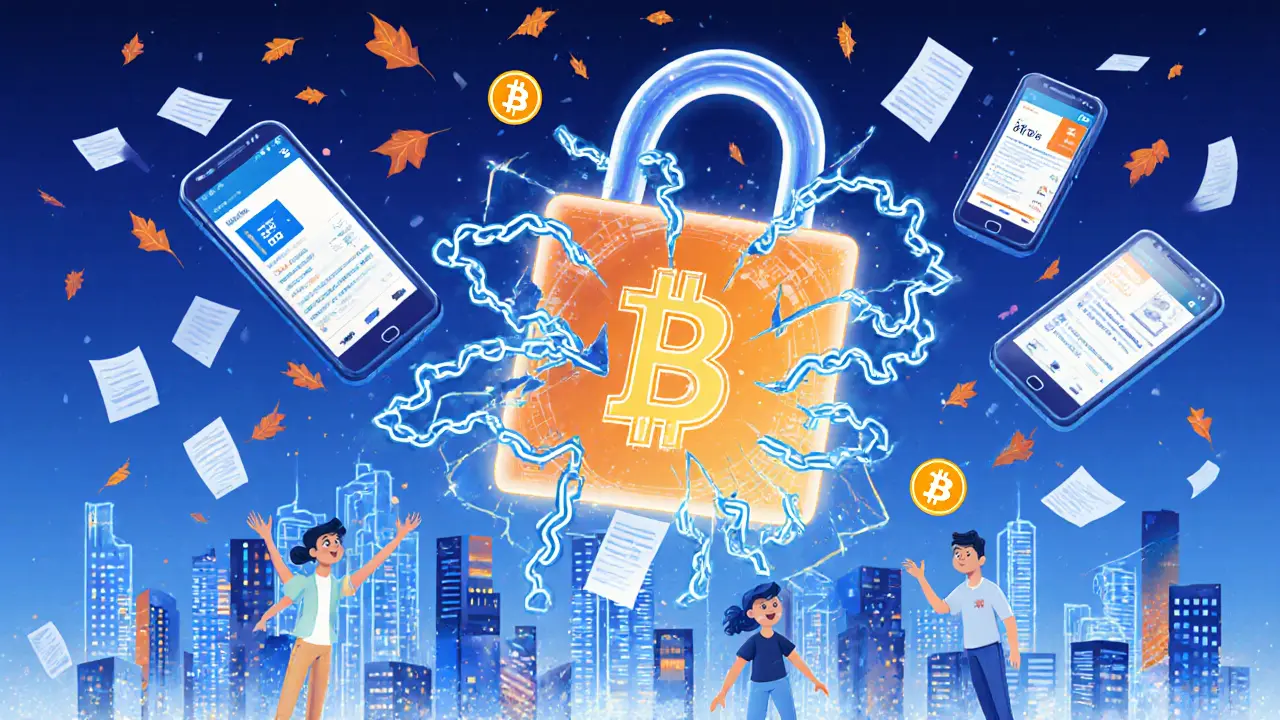
In 2025, the Philippine SEC froze $150 million in crypto assets from 20 unlicensed exchanges, impacting thousands of everyday users. Here’s what happened, who got hit, and how to protect yourself now.