Crypto Sanctions Venezuela: How Venezuelans Use Crypto to Survive
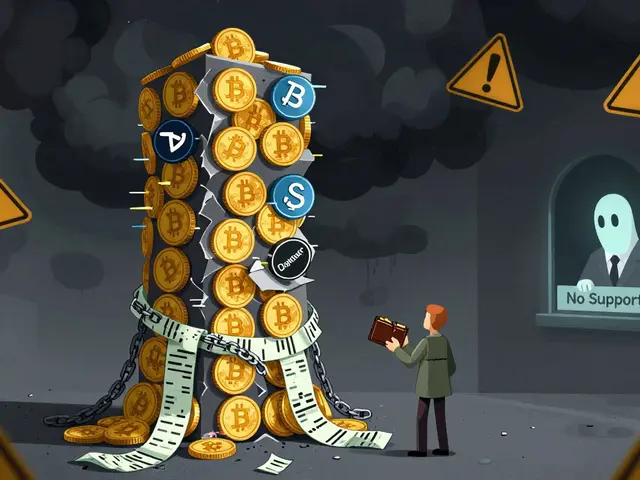
When crypto sanctions Venezuela, government restrictions and U.S. financial blockades cut off access to dollars and international banking. Also known as financial isolation, this forced millions of Venezuelans to find another way to eat, pay bills, and send money home. With inflation hitting over 1,000,000% and the bolívar nearly worthless, crypto wasn’t a luxury—it became survival.
People didn’t wait for permission. They turned to Bitcoin, a decentralized digital currency that doesn’t need banks or government approval. Also known as digital gold, it became the most trusted store of value in a country where savings vanished overnight. Stablecoins like USDT and USDC followed fast—they’re tied to the U.S. dollar, so they keep their value even when the local currency collapses. Venezuelans used them to buy food online, pay for medicine imported from Colombia, and send remittances to family abroad without going through blocked banks.
It wasn’t easy. The government cracked down. Internet access was spotty. Some users got arrested for trading. But the need was too strong. P2P platforms like LocalBitcoins and Paxful exploded. People met in parks to swap cash for crypto. Crypto ATMs popped up in hidden corners of cities. Even small businesses started pricing goods in USDT instead of bolívares. This wasn’t speculation—it was a bottom-up rewrite of the financial system.
And it wasn’t just about money. crypto bypass sanctions, letting individuals trade, receive aid, and access global markets despite official bans. Also known as financial sovereignty, it gave people control when the state took it away. When U.S. sanctions blocked Venezuela’s central bank from accessing dollar reserves, ordinary citizens used crypto to get around the blockade. Doctors bought equipment. Teachers paid for online courses. Farmers sold crops to buyers in other countries—all without touching the broken banking system.
Today, over 1.5 million Venezuelans actively use crypto. That’s nearly 5% of the population. The government still tries to control it—with crypto taxes, state-run coins like Petro, and crackdowns on exchanges. But the genie is out of the bottle. Crypto isn’t a trend here. It’s infrastructure. And what’s happening in Venezuela isn’t unique. It’s a preview of what happens when trust in institutions dies and people build their own systems.
Below, you’ll find real stories and deep dives into how crypto is used in places where the rules don’t work. From Cuba to India, from underground trading hubs to banned exchanges—these aren’t theoretical case studies. They’re lives rebuilt with blockchain.
How Venezuela Uses Crypto to Bypass Sanctions
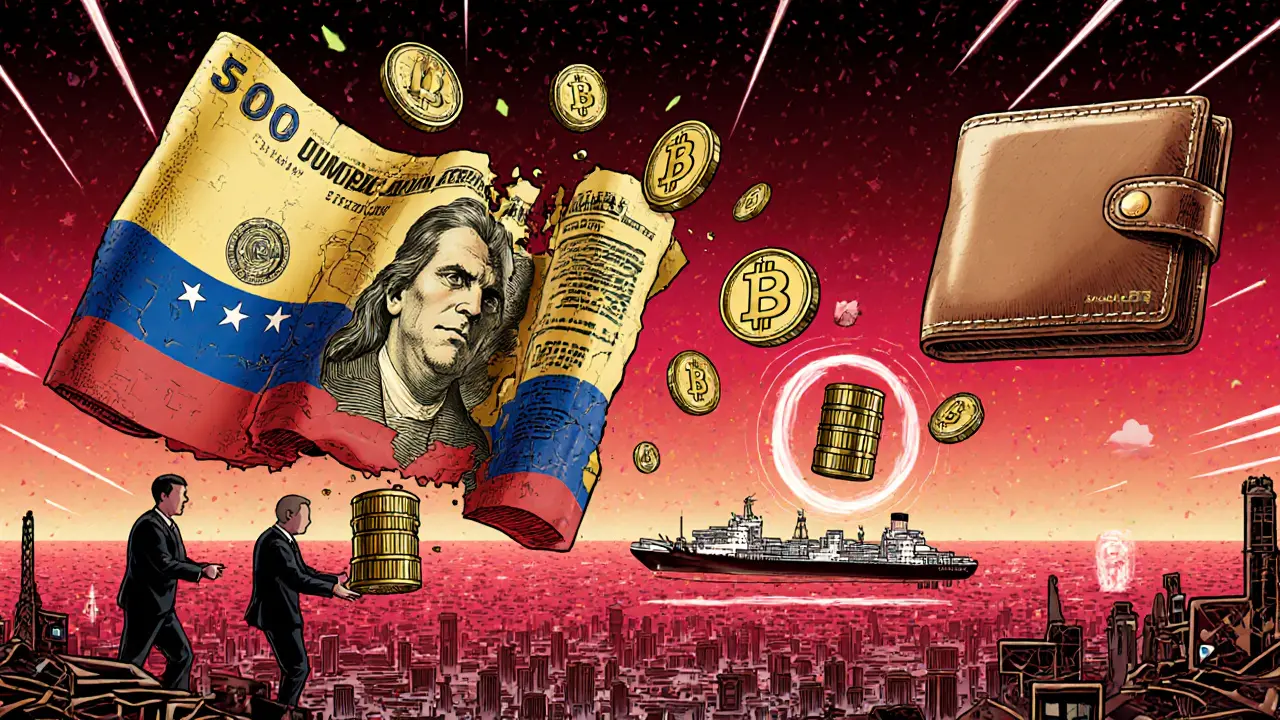
Venezuela uses cryptocurrency, especially USDT and the PETRO, to bypass U.S. and EU sanctions by turning oil exports into digital cash. State-controlled exchanges and crypto-laundering networks keep the regime funded while ordinary citizens rely on crypto just to survive.