Crypto Trading Legal Status: Where It’s Allowed, Banned, and Gray
When you trade crypto, you’re not just buying tokens—you’re navigating a patchwork of crypto trading legal status, the varying laws and enforcement approaches countries use to govern cryptocurrency transactions. Also known as crypto regulation, it’s not a single rulebook—it’s dozens of conflicting systems that change by the month. In some places, it’s treated like stocks. In others, it’s banned outright. And in a growing number of countries, it’s just… ignored until someone gets caught.
Take Turkey, a country that banned crypto payments in 2021 but still lets people trade. Also known as crypto payment ban, this move didn’t stop trading—it just pushed people toward peer-to-peer platforms and foreign exchanges. Meanwhile, in India, a 30% tax on crypto gains didn’t kill adoption—it made users smarter. Millions now use stablecoins to avoid inflation, bypassing traditional banks entirely. And in Cuba, crypto became a lifeline after U.S. sanctions cut off banking access. Also known as sanctions and crypto, it’s not a choice there—it’s survival.
The real story isn’t just where crypto is legal. It’s how people adapt when it’s not. In North Macedonia, trading has been officially banned since 2017, yet P2P platforms thrive underground. In the Philippines, regulators froze $150 million in assets from unlicensed exchanges, hitting everyday users who didn’t even know they were breaking rules. Meanwhile, no-KYC exchanges are being shut down globally—not because they’re evil, but because regulators are finally catching up to the scale of unmonitored flows. This isn’t about banning technology. It’s about control: who gets to see your money, who gets taxed, and who gets punished if you slip through the cracks.
You can’t trade crypto safely without knowing the rules where you are—and where you’re sending money. A tax rule in one country can make your trade illegal in another. A platform that works in the U.S. might be blocked in the EU. And a so-called "free airdrop" could be a scam targeting users in places with weak oversight. The posts below don’t just list what’s legal—they show you how real people are trading, surviving, and avoiding traps in places where the rules are unclear, shifting, or outright hostile. What you’ll find here isn’t theory. It’s street-level intelligence from the front lines of global crypto regulation.
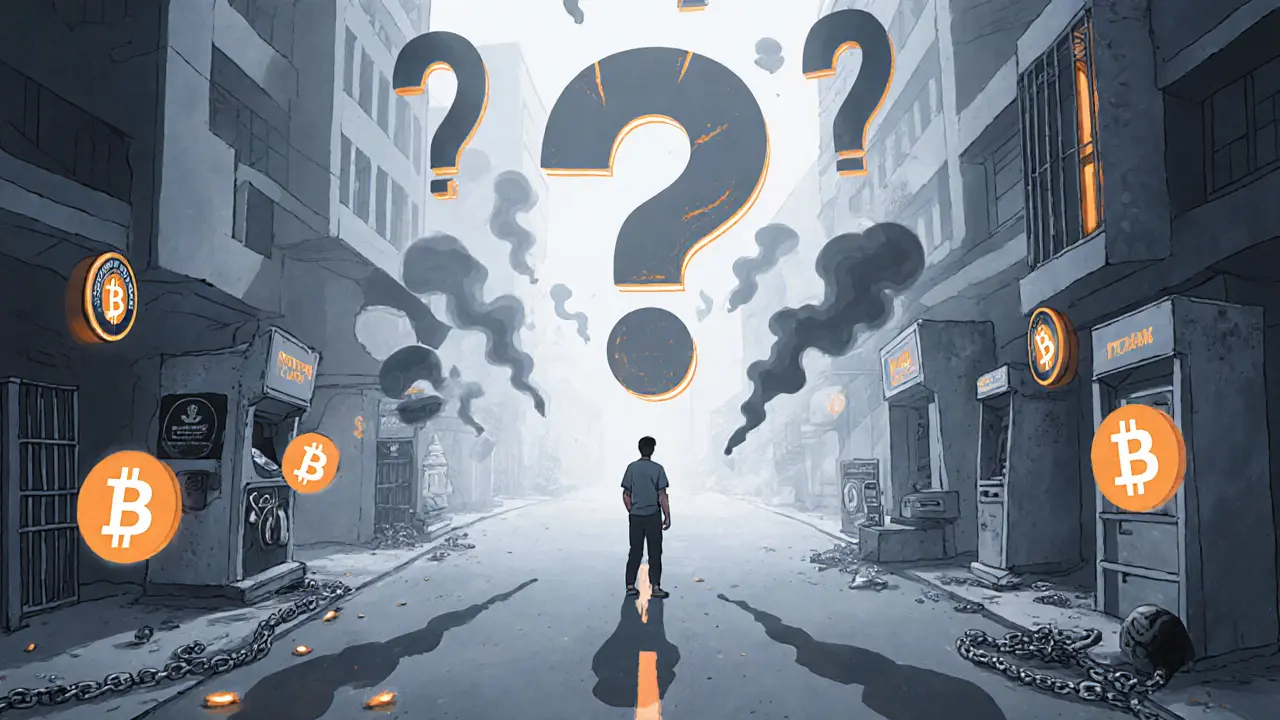
12 Years Imprisonment for Crypto Trading in Bangladesh: What’s Really Legal
The claim that crypto trading in Bangladesh carries a 12-year prison sentence is widely repeated but legally misleading. Here’s what’s actually banned, who gets punished, and why people still trade anyway.
Recent Post
-

How Sharding Improves Blockchain Scalability
Dec, 28 2025