Cuban Crypto Regulations: What’s Legal, What’s Banned, and How People Still Trade
When it comes to Cuban crypto regulations, the official stance from Cuba’s government and central bank restricts cryptocurrency use in financial transactions, but not outright ownership. Also known as crypto laws in Cuba, these rules are more about controlling access than banning the technology itself. Unlike countries that shut down all crypto activity, Cuba lets people hold Bitcoin, Ethereum, or stablecoins—but only if they don’t use them to pay for goods, send money abroad, or trade on international exchanges.
That’s where things get messy. The Central Bank of Cuba, the country’s financial authority that enforces monetary policy and currency controls. Also known as Banco Central de Cuba, it has repeatedly warned that crypto isn’t legal tender and can’t be used for payments. But here’s the twist: Cubans still use it. They buy Bitcoin through peer-to-peer platforms like Paxful and LocalBitcoins, then convert it to cash via trusted intermediaries. Many rely on USDT (Tether) to protect savings from inflation and currency devaluation. It’s not about rebellion—it’s survival. With state salaries often under $30 a month and imports controlled by the government, crypto becomes a lifeline.
What’s banned? Any direct link between crypto and the national banking system. If you try to deposit Bitcoin into a Cuban bank, or use a local exchange that connects to the peso, you risk fines or account freezes. The government also blocks access to major foreign platforms like Binance and Coinbase, forcing users to rely on unofficial channels. But enforcement is patchy. Most users operate under the radar, using VPNs, encrypted messaging apps, and cash-based trades. The real risk isn’t prison—it’s losing money to scams. Fake wallets, phishing sites, and fake airdrops targeting Cubans are common, and there’s no legal recourse if you get ripped off.
The crypto trading Cuba, the informal network of individuals and small groups who buy, sell, and move crypto across borders without official oversight. Also known as underground crypto in Cuba, it is growing quietly. Young people, freelancers, and artists are leading the charge, using crypto to get paid for online work or send remittances from family abroad. Some even use it to buy medical supplies or electronics that the state can’t provide. It’s not a revolution—it’s a workaround. And it’s working, because the government knows it can’t stop it without hurting its own people.
What you’ll find in the posts below are real stories and sharp breakdowns of how crypto moves in places where rules are unclear and risks are high. From Cuba to Bangladesh, North Macedonia to India, people are finding ways to use crypto despite bans, taxes, and crackdowns. These aren’t theoretical guides—they’re field reports from the front lines of decentralized finance. You’ll learn what actually gets punished, how scams target the vulnerable, and which tools are safest when you’re trading without a safety net. This isn’t about speculation. It’s about access, resilience, and what happens when money becomes a tool for the people—not just the state.
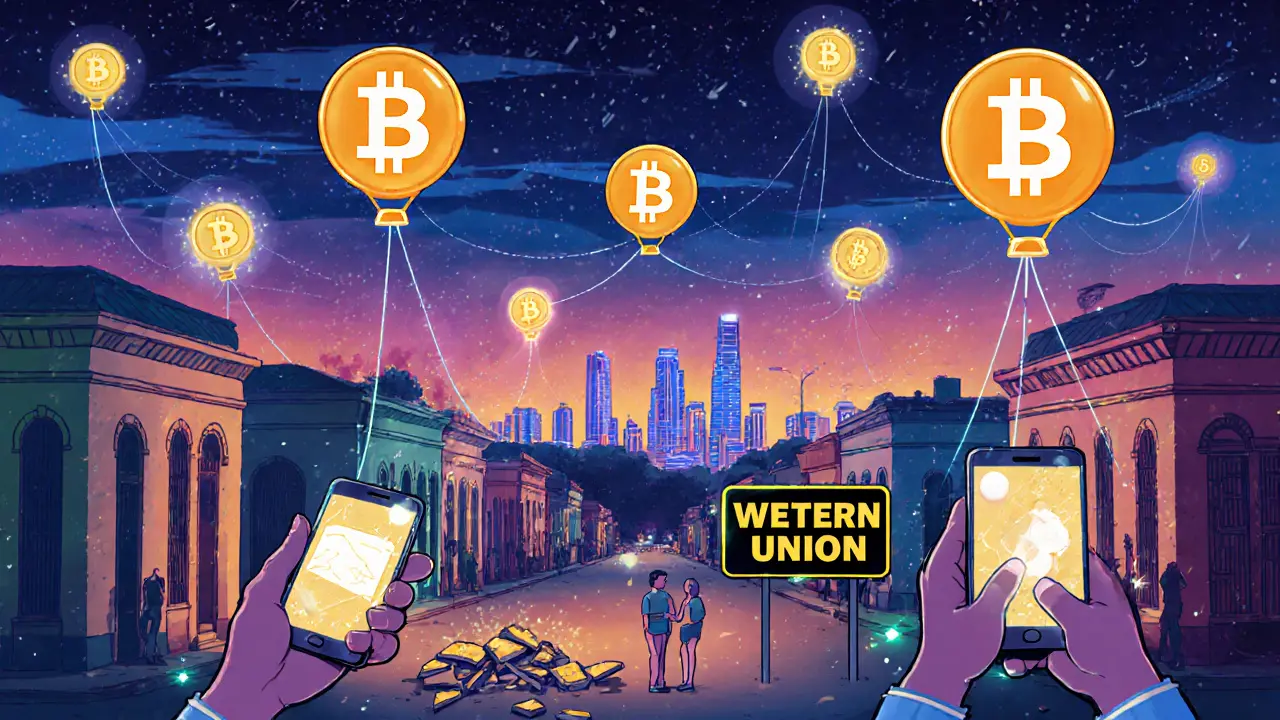
How Cubans Are Using Crypto Despite Government Restrictions
Cuba legalized cryptocurrency to bypass U.S. sanctions that cut off access to banks and remittance services. Now, over 100,000 Cubans use Bitcoin and Ethereum to send money, buy goods, and survive economically - all under a strict government-regulated system.