FOC Airdrop: What It Is, Who’s Running It, and How to Avoid Scams
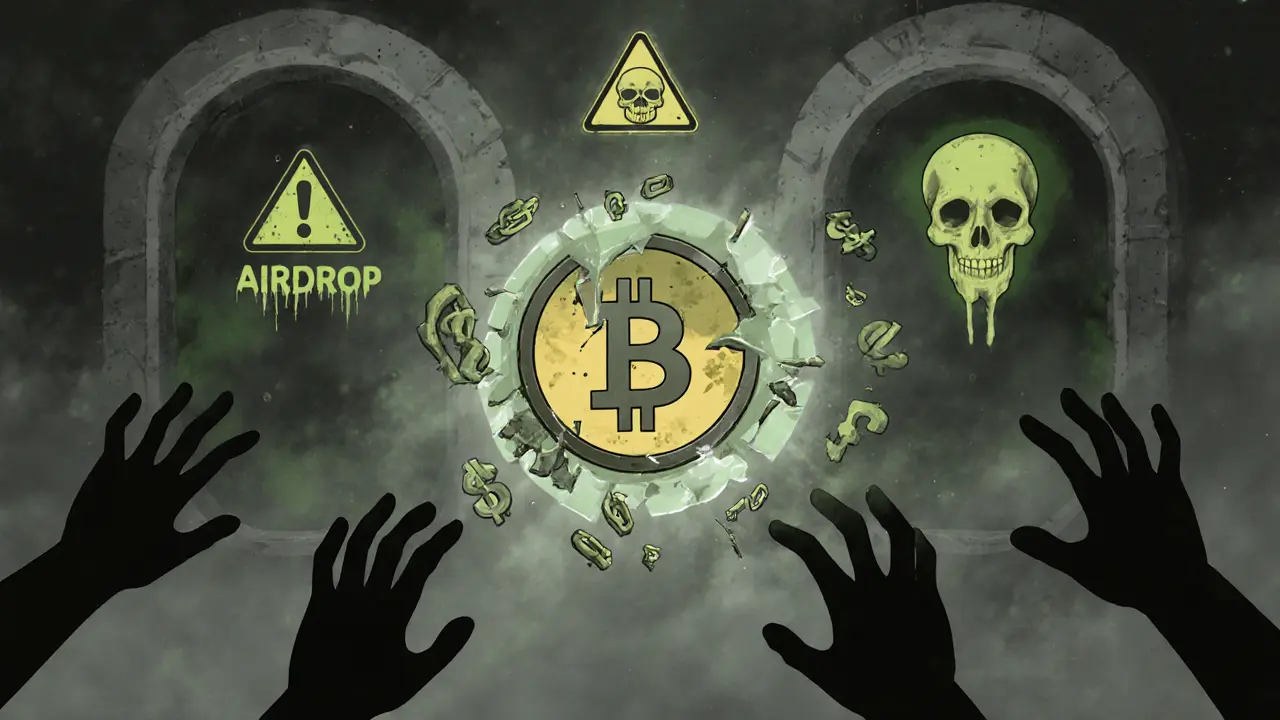
When you hear about a FOC airdrop, a free token distribution event tied to a cryptocurrency project. Also known as free crypto giveaway, it’s a common tactic used to build early user bases—but it’s also one of the most abused tricks in crypto. Most airdrops are legit, but the ones with vague names like FOC? They’re usually traps. No major exchange, wallet provider, or blockchain project has publicly confirmed a FOC token or airdrop as of late 2025. That doesn’t stop scam sites from popping up, asking you to connect your MetaMask, sign a transaction, or send a small amount of ETH to "claim" your tokens. Spoiler: you won’t get anything. You’ll just lose your crypto.
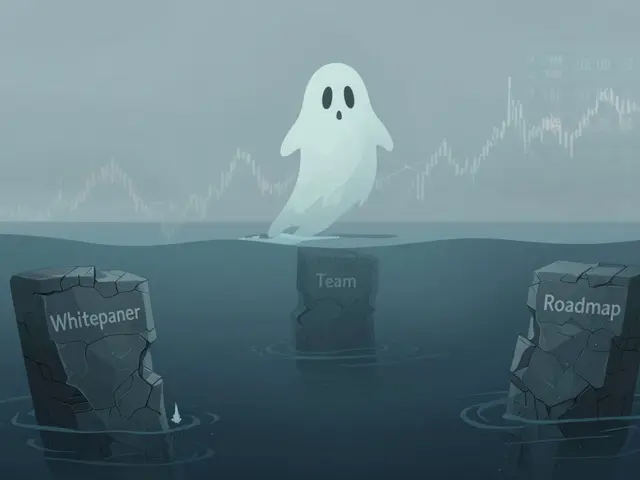
Real airdrops don’t ask for your private keys. They don’t require you to pay gas fees to receive free tokens. And they’re always announced through official channels—Twitter, Discord, or the project’s own website. The crypto airdrop, a distribution of free tokens to wallet addresses as a marketing or community-building tool. Also known as token giveaway, it’s a powerful way to onboard users—if done right. Look at the Flux Protocol or GEMS NFT airdrops mentioned in our posts: they had clear rules, deadlines, and official documentation. FOC has none of that. It’s a ghost. And when you see a project with no whitepaper, no team, no GitHub, and no social proof—it’s not a coin. It’s a lure.
The FOC token, a hypothetical cryptocurrency token associated with unverified airdrop campaigns. Also known as phantom token, has never been listed on CoinMarketCap, CoinGecko, or any major exchange. That’s not an oversight—it’s a red flag. Scammers rely on people rushing to claim "free money" without checking the basics. They copy-paste logos from real projects, steal domain names, and use fake testimonials. One click, one signature, and your wallet is drained. This isn’t just about losing a few dollars. It’s about protecting your entire portfolio. If you’ve seen ads for FOC airdrops on Telegram, YouTube, or TikTok, they’re not promoting a project—they’re promoting theft.
Here’s what you need to know: if a crypto airdrop sounds too easy, it’s fake. If it doesn’t have a website with contact info, a team photo, or a roadmap—it’s not real. And if it’s named something generic like FOC? That’s not a brand. That’s a placeholder. The crypto space is full of real opportunities—like the MultiPad or Flux Protocol airdrops that actually delivered tokens. But you won’t find them by chasing shadows. You’ll find them by checking trusted sources, reading the fine print, and walking away from anything that asks you to send crypto to get free crypto.
Below, you’ll find a collection of real stories about crypto airdrops—some that worked, many that didn’t. You’ll learn how to spot the difference, what to do when you see a scam, and how to protect yourself before you click "claim." Don’t guess. Don’t hope. Know.
FOC TheForce.Trade Airdrop: What We Know About the Token Distribution and Current Status
There is no active FOC TheForce.Trade airdrop. The token trades at pennies with almost no liquidity. Learn the truth about its history, why it failed, and how to avoid scams pretending to offer free FOC tokens.