Russian Crypto Alternatives: Bypassing Sanctions with Decentralized Finance
When Western sanctions cut off Russian banks from SWIFT and froze assets abroad, people didn’t stop trading—they switched systems. Russian crypto alternatives, decentralized financial tools used by individuals and small businesses in Russia to bypass financial isolation. Also known as sanction-resistant crypto networks, these tools let people hold value, send money across borders, and buy goods without relying on traditional banks. This isn’t theoretical. It’s happening right now, in living rooms, small shops, and online forums across Moscow, Kazan, and beyond.
Many use Bitcoin, a peer-to-peer digital currency that operates without central control. Also known as BTC, it’s become Russia’s go-to store of value because it doesn’t need a bank to move. Others turn to stablecoins, crypto tokens pegged to the U.S. dollar to avoid volatility. Also known as USDT or USDC, they let people pay for imports, send remittances, or save without losing value overnight. Then there’s P2P crypto trading, direct person-to-person exchanges that skip exchanges entirely. Also known as localbitcoins-style trades, these platforms connect buyers and sellers using cash, bank transfers, or even gift cards. These aren’t just workarounds—they’re full-blown financial ecosystems built out of necessity.
What makes these alternatives work isn’t just technology. It’s community. Russians share trusted P2P platforms, warn each other about scams, and even create local Telegram groups to coordinate trades. You won’t find this on major exchange websites—you’ll find it in private chats, on encrypted forums, and through word of mouth. The government doesn’t endorse it, but it can’t stop it either. People are using crypto not to gamble, but to survive.
What you’ll find in this collection are real stories and sharp analysis of how Russians are navigating this new financial frontier. You’ll see how they trade on platforms that don’t require KYC, why stablecoins beat rubles for savings, and which crypto tools actually work under pressure. Some posts expose scams pretending to be Russian-friendly exchanges. Others show how small businesses use crypto to import medicine and food. There’s no fluff here—just what’s working, what’s dangerous, and what’s next.
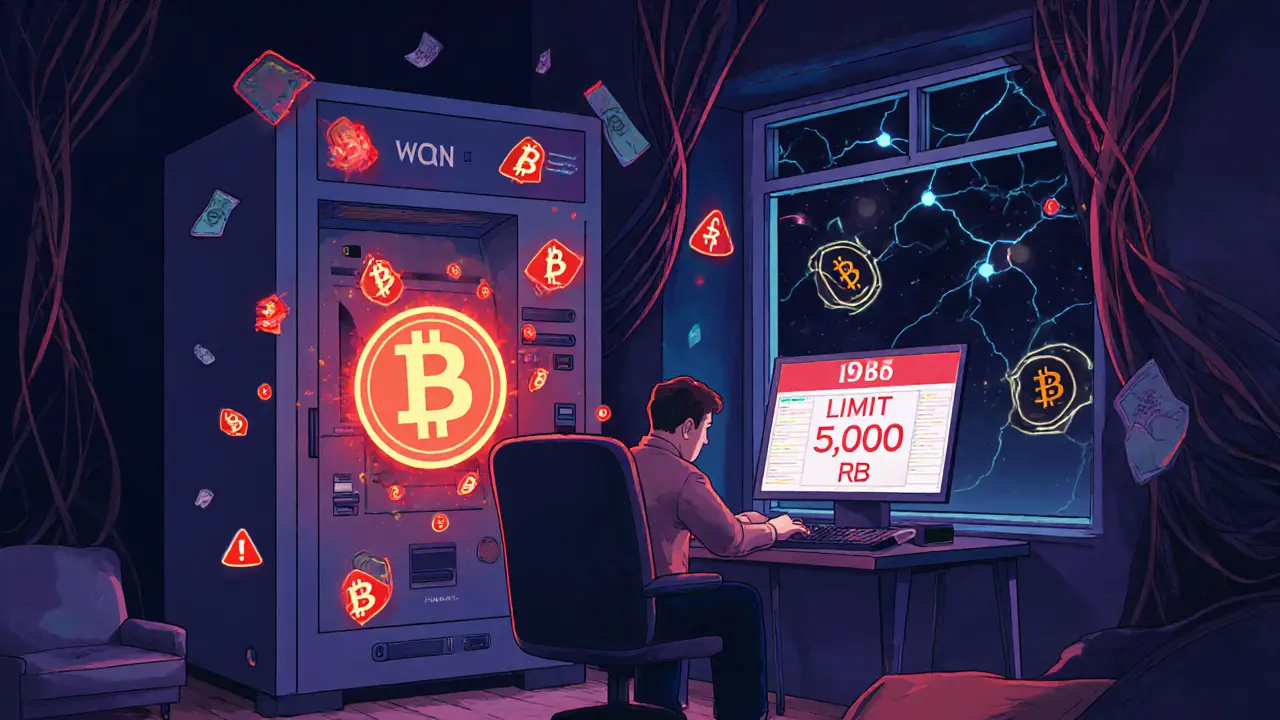
Russia's Crypto Banking Ban: How Traders Are Bypassing Bitcoin Restrictions in 2025
Russia's 2025 crypto cash withdrawal limits have crippled local Bitcoin trading. Traders are turning to foreign platforms, gift cards, and barter systems to bypass ATM restrictions and keep crypto flowing.