SAKE coin: What it is, why it's risky, and what the real crypto projects are
When you hear about SAKE coin, a low-volume meme token with no clear purpose or team. Also known as SAKE, it's one of hundreds of tokens that pop up on decentralized exchanges with flashy names but zero real infrastructure. Most people stumble into it after seeing a TikTok ad or a Telegram group promising quick riches. But here’s the truth: SAKE coin doesn’t power anything. It doesn’t have a working product, a roadmap, or even a credible team. Its value is based entirely on hype—and hype fades fast.
SAKE coin belongs to a larger group of tokens that share the same red flags: tiny trading volumes, fake social media engagement, and no audits. These aren’t investments—they’re gambling chips. Compare that to something like Apertum (APTM), a Layer 1 blockchain on Avalanche with real EVM compatibility and community governance, or even Flux Protocol (FLUX), a token tied to a functioning decentralized infrastructure project. Those projects have code, users, and public development logs. SAKE coin has a Twitter account with 500 followers and a CoinMarketCap page that looks like it was copied from a template.
What’s worse is how these tokens hide in plain sight. They ride on the same platforms where real projects launch—like PancakeSwap, a decentralized exchange used by millions for low-cost trading. But unlike PancakeSwap’s core tokens, SAKE coin doesn’t add liquidity or enable DeFi. It just drains attention from projects that actually matter. If you’re looking to trade, you’ll find dozens of tokens like this every week: names that sound cool, prices that spike for a day, then crash to pennies. The only people who profit are the ones who created them—and they’ve already cashed out.
You don’t need to chase every new token to stay ahead in crypto. The real opportunities come from understanding what’s built to last. That means checking for audits, active GitHub commits, and teams with verifiable histories. It means avoiding tokens that rely on airdrops or influencer shilling to survive. The posts below cover exactly that: real projects, scams you should avoid, and how to spot the difference before you send your funds into the void. Whether you’re looking at fake airdrops, unregulated exchanges, or ghost tokens like SAKE coin—you’ll find clear, no-fluff breakdowns that help you protect your money and focus on what actually works.
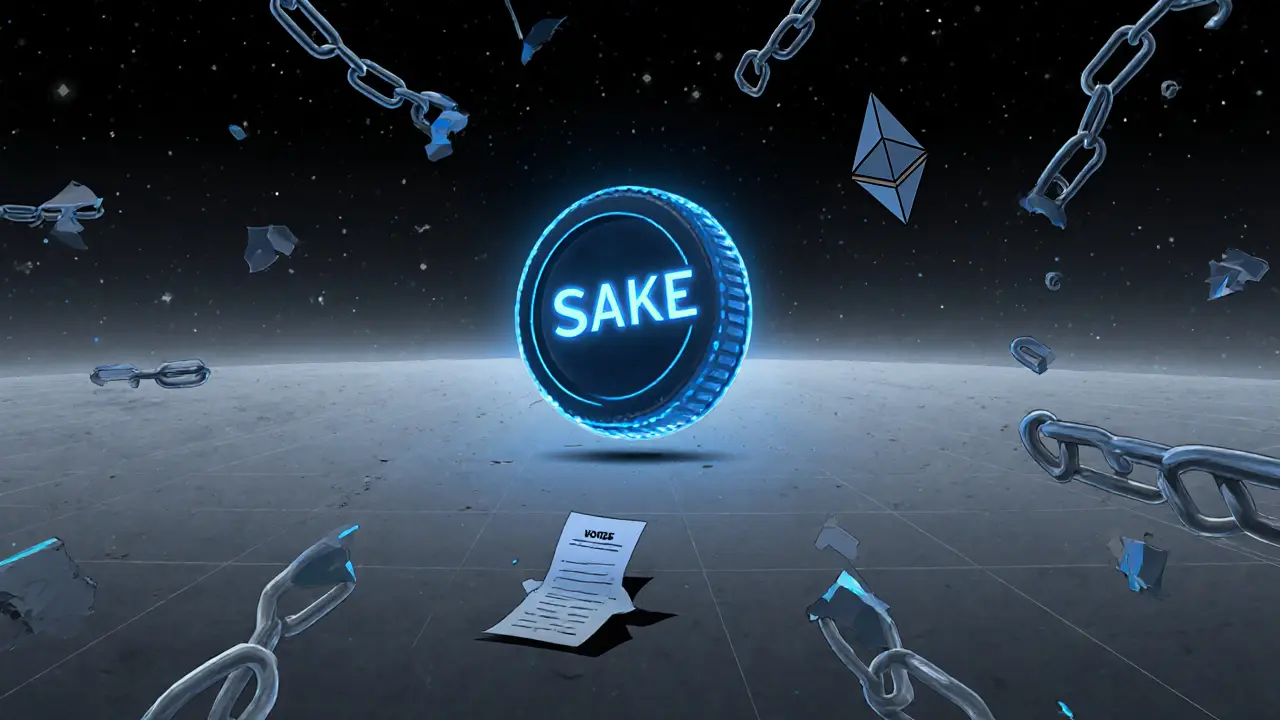
What is SakeToken (SAKE) Crypto Coin? A Real-World Look at Its Value, Risks, and Reality
SakeToken (SAKE) is a micro-cap Ethereum-based DeFi token with minimal liquidity, no active development, and under $150K market cap. Learn its real risks, current stats, and why it's not a viable investment.
Recent Post
-
Bitsmo Crypto Exchange Review: What We Know in 2026
Feb, 24 2026