Traditional Banking vs Crypto: What’s Really Changing in Finance
When you think of traditional banking, the system of physical branches, centralized ledgers, and government-backed institutions that have controlled money for over a century. Also known as brick-and-mortar finance, it’s the system most people grew up with — but it’s no longer the only option. Millions around the world are walking away from it, not because they hate banks, but because they found something better.
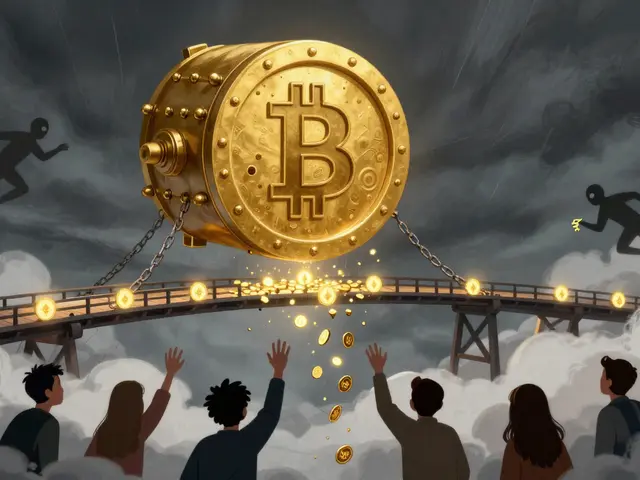
blockchain payments, a way to send value across borders without intermediaries, using public ledgers that anyone can verify cut transfer times from days to minutes. In places like India and Cuba, people use stablecoins to pay for groceries, send money home, or buy medicine — all without needing a bank account. Meanwhile, decentralized finance, a collection of open, permissionless financial tools built on blockchains like Ethereum and Solana lets you lend, borrow, or earn interest without a middleman. No loan officer. No paperwork. No waiting.
Traditional banking still has trust, but it’s slow. It charges fees for things that cost nothing online — like sending money internationally or cashing a check. Crypto doesn’t fix everything, but it fixes what matters most: speed, cost, and control. You don’t need to be a tech expert to use it. You just need to know where to start.
Below, you’ll find real stories from people who left traditional banking behind — whether they’re trading fan tokens to feel part of a team, using crypto to survive sanctions, or avoiding scams that pretend to be bank-approved services. These aren’t theoretical debates. They’re life-changing choices made by everyday users.

DeFi vs Traditional Banking: Key Differences in Speed, Fees, Access, and Security
DeFi offers faster transactions, higher yields, and global access without banks - but with less protection. Traditional banking is slower and more expensive, but safer and regulated. Here's how they really compare in 2025.