Imagine buying a plot of land where you can build a virtual gallery, host a concert, or create a brand store. You pay with cryptocurrency, get a digital deed, and own it forever-or at least until the platform changes its rules. This is virtual land ownership, a form of digital real estate that exists only within persistent online worlds known as the metaverse. It is secured through blockchain technology and represented as unique tokens. While the hype peaked in late 2021, the market has matured into a complex ecosystem of speculation, utility, and technological experimentation. Understanding how this works requires looking past the headlines to see the mechanics of ownership, value, and risk.
The Basics of Digital Deeds
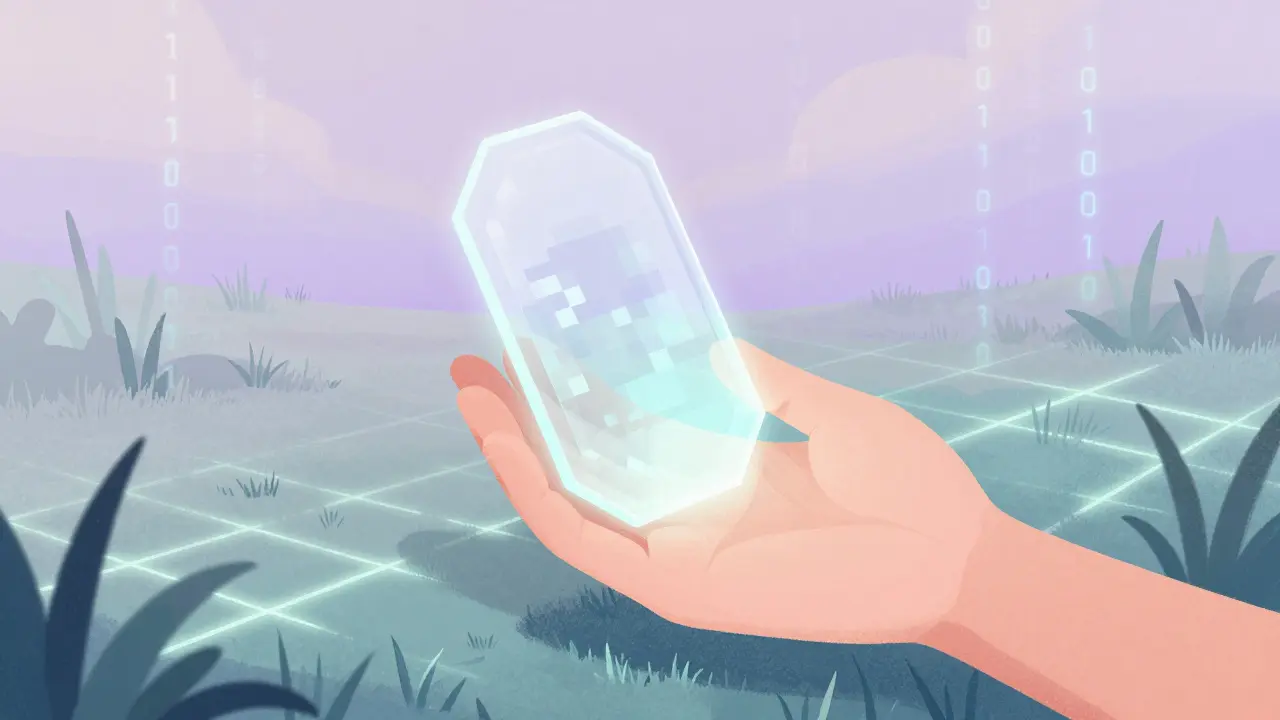
At its core, virtual land is not dirt or grass. It is code. Specifically, it is a Non-Fungible Token (NFT) that represents a specific coordinate in a virtual world. Unlike physical property deeds held by county clerks, these digital deeds live on a blockchain, most commonly Ethereum. When you buy land, you are essentially buying an entry in a public ledger that says, "This wallet address owns this set of coordinates."
The standard for these tokens is usually ERC-721 or ERC-1155. These standards ensure that each parcel is unique and cannot be copied or substituted. If you own a plot in Decentraland, your token proves your right to build on that specific 16x16 meter grid square. In The Sandbox, parcels might measure 96x96 meters. The size doesn't matter as much as the location and what you can do there.
To participate, you need three things:
- A compatible crypto wallet like MetaMask.
- Cryptocurrency (usually ETH or MATIC) to pay for the land and transaction fees.
- Basic knowledge of navigating web3 interfaces.
The barrier to entry isn't technical complexity anymore; it's financial literacy and risk tolerance. You don't need to know how to code to buy land, but you do need to understand that once you send funds to a smart contract, the transaction is irreversible.
Major Platforms and Their Ecosystems
Not all metaverses are created equal. Virtual land is platform-dependent, meaning land bought in one world holds no value in another. This lack of interoperability is a critical factor for investors. Here is how the major players compare:
| Platform | Land Size/Grid | Primary Use Case | Key Feature |
|---|---|---|---|
| Decentraland | 16x16 meters | Socializing, Art, Events | User-governed DAO, high decentralization |
| The Sandbox | 96x96 meters | Gaming, Brand Experiences | VoxEdit tool, strong brand partnerships |
| Somnium Space | Variable VR plots | VR Social, High-fidelity graphics | VR-first experience, Unity integration |
Decentraland launched publicly in 2020 and focuses on user-generated content. It operates as a decentralized autonomous organization (DAO), meaning landowners vote on platform rules. This gives users significant control but can lead to slower development cycles. The Sandbox, founded earlier in 2011 but gaining traction with NFTs in 2018, leans heavily into gaming and brand collaborations. Companies like Atari and Snoop Dogg have established presences here, driving traffic to nearby lands. Somnium Space targets VR enthusiasts who want high-fidelity graphics and immersive social experiences, though its market share is smaller.
Why Do People Buy Virtual Land?
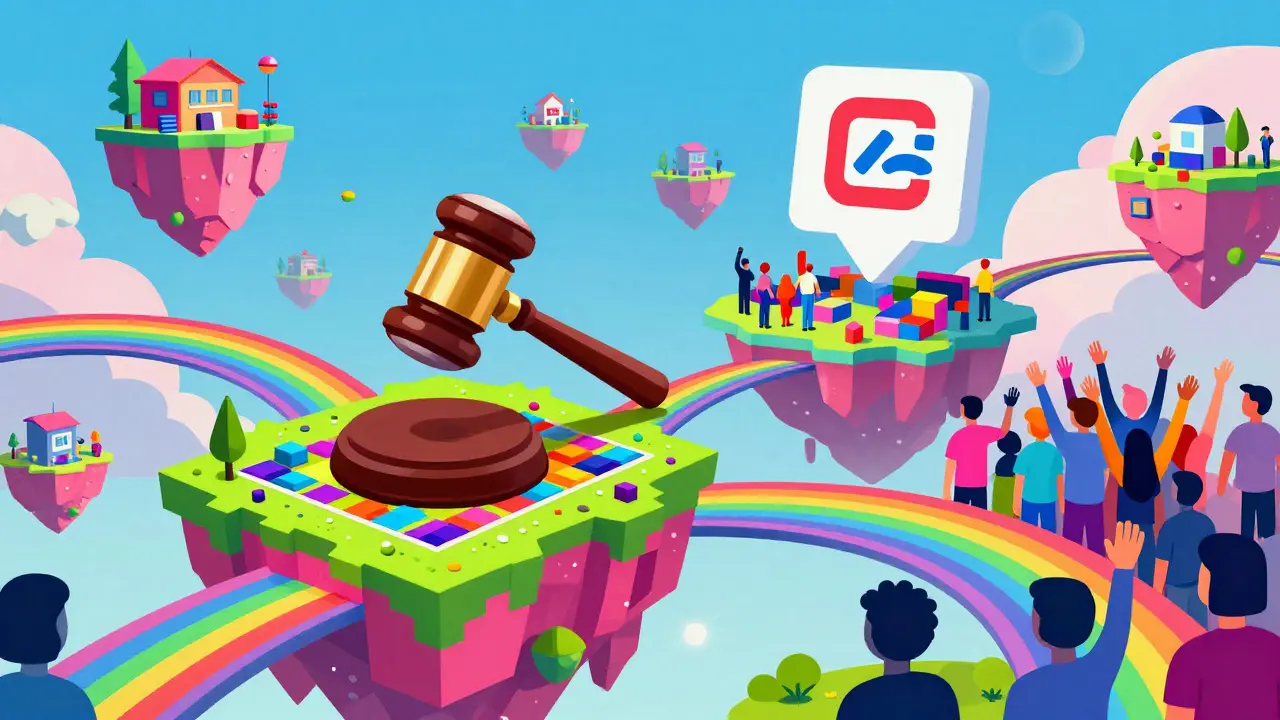
If the land is just pixels, why spend thousands-or even millions-on it? The value proposition comes from utility, scarcity, and speculation.
Monetization Opportunities: Owners can generate revenue by hosting events, selling virtual goods, or renting out their space. For example, Sotheby’s hosted a virtual art gallery in Decentraland during Art Basel week, attracting over 7,000 visitors and generating $500,000 in sales. Brands use these spaces for advertising and customer engagement, paying landowners for foot traffic.
Scarcity and Location: Just like Manhattan, prime locations in virtual worlds are limited. Fashion Street in Decentraland saw plots sell for up to $450,000 in 2021 because of high visibility. Scarcity drives price, especially when total supply is capped.
Speculation: Many buyers purchase land hoping to sell it later at a higher price. This worked well during the 2021 bull market but led to significant losses when the market corrected. By mid-2023, some parcels that sold for $10,000 were valued under $1,000.
Community and Status: Owning land signals commitment to the ecosystem. It grants voting rights in DAOs and access to exclusive communities. For developers, it provides a canvas to experiment with new forms of digital interaction.
Risks and Challenges
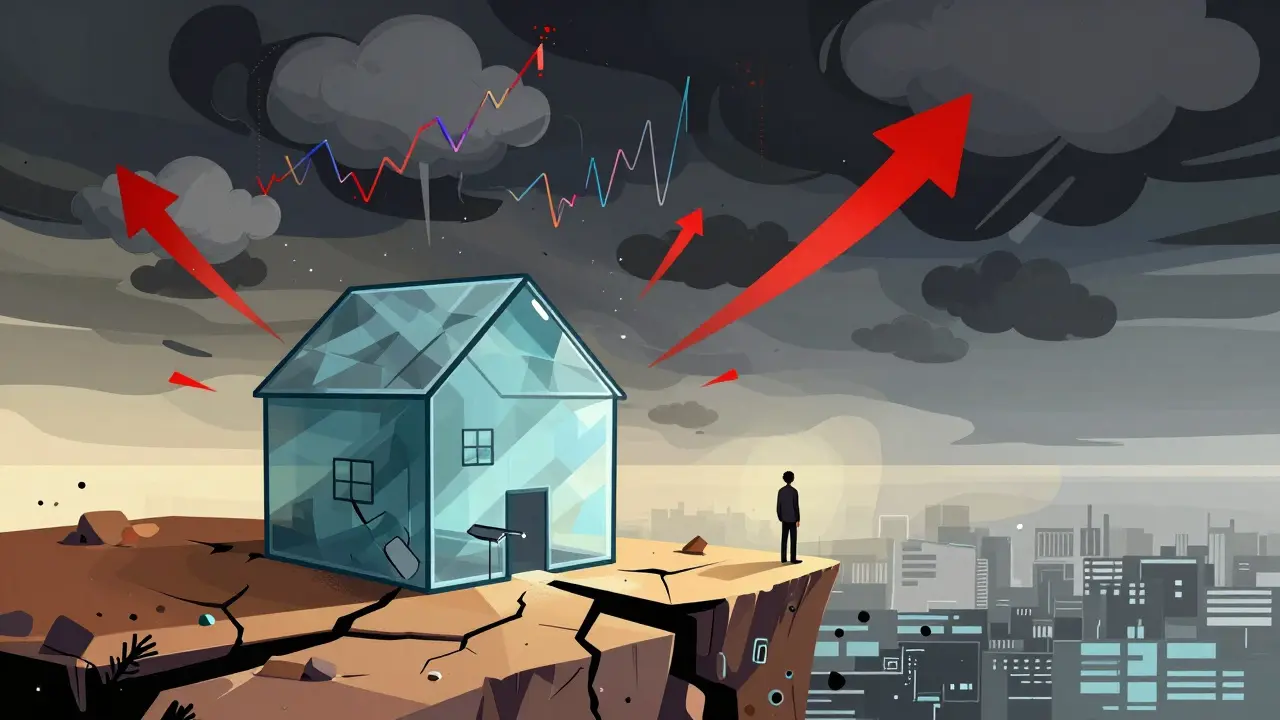
Virtual land ownership is not without significant risks. Understanding these is crucial before investing.
Market Volatility: Prices are tied to cryptocurrency markets. When ETH drops, land prices often follow. The total market volume peaked at $900 million in Q4 2021 but contracted to $120 million by Q2 2023. This volatility means your investment can lose value rapidly.
Platform Risk: If a metaverse platform shuts down or loses popularity, your land becomes worthless. There is no government guarantee or insurance. Republic Realm’s success in developing branded experiences shows potential, but many "dead districts" remain undeveloped, offering no return on investment.
Regulatory Uncertainty: Legal frameworks for virtual property are unclear. The RICS warned in 2022 that there is no established precedent for enforcing property rights in these environments. Disputes over boundaries, usage, or fraud may not have clear legal recourse.
Technical Barriers: Connecting wallets, managing gas fees, and avoiding scams require technical skill. A SuperWorld survey found that 68% of new users struggled with wallet connections. Smart contract vulnerabilities also pose risks; The Sandbox experienced a $1.5 million exploit in 2022 due to a minting flaw.
How to Get Started Safely
If you decide to explore virtual land ownership, follow these steps to minimize risk:
- Educate Yourself: Learn about blockchain, wallets, and NFTs. Understand the difference between ERC-721 and ERC-1155 tokens.
- Choose a Platform: Research the ecosystem. Look at active users, developer tools, and community engagement. Decentraland and The Sandbox are the most established.
- Start Small: Don’t invest money you can’t afford to lose. Buy a small plot to learn the process of purchasing, building, and listing.
- Focus on Utility: Consider what you can build. Will you host events? Sell merchandise? Create educational content? Land with a plan is more likely to retain value.
- Secure Your Wallet: Use hardware wallets for storage. Enable two-factor authentication. Never share your seed phrase.
Remember, virtual land is an experimental asset class. It offers exciting possibilities for creativity and commerce, but it is not a stable investment like traditional real estate. Approach it with curiosity and caution.
Future Outlook
By 2026, Gartner predicts that 25% of people will spend at least one hour daily in the metaverse. This increased adoption could drive demand for functional virtual spaces. However, Deloitte suggests the market will stabilize at $50-70 billion by 2027, far below initial speculative projections. The focus is shifting from pure speculation to utility-driven models. Platforms are improving tools for creators, reducing fees, and enhancing interoperability. As technology matures, virtual land may become a standard part of digital identity and commerce, but only for those who provide genuine value to the community.
Is virtual land ownership legal?
Yes, owning virtual land is legal in most jurisdictions, but the legal framework surrounding property rights, taxation, and dispute resolution is still developing. There is no universal law governing virtual real estate, so protections vary by platform and country.
Can I rent out my virtual land?
Yes, many platforms allow landowners to lease their plots to other users or brands. This can generate passive income through rental fees or revenue-sharing agreements for events and sales hosted on your land.
What happens if the metaverse platform shuts down?
If a platform shuts down, your virtual land likely becomes worthless. Since land is tied to the specific platform's infrastructure and community, there is no external guarantee of value. This is known as platform risk.
Do I need to know how to code to own virtual land?
No, you do not need coding skills to buy or own virtual land. However, if you want to build custom experiences or applications on your land, you may need programming knowledge or to hire developers.
How much does virtual land cost?
Prices vary widely based on location, platform, and market conditions. In 2021, prime plots sold for hundreds of thousands of dollars. Today, prices are lower, with many plots available for a few hundred to a few thousand dollars, depending on demand and utility.