Imagine trying to buy a loaf of bread, but the baker refuses your cash because he’s afraid the government will fine him. That is roughly what it feels like to trade cryptocurrency in Egypt today. You have the money, you want the asset, but the traditional banking system acts like a bouncer who won’t let you through the door. Yet, millions of Egyptians are still trading digital assets every day. How? They bypass the banks entirely using peer-to-peer (P2P) networks. This isn't just a niche hobby; it's a survival strategy for investors navigating one of the most complex regulatory landscapes in North Africa.
If you’re wondering how this underground economy functions without crashing, you need to understand the specific mechanics of P2P trading in a country where the Central Bank of Egypt (CBE) has kept a tight leash on digital currencies since 2020. This article breaks down exactly how Egyptian traders move value, which platforms dominate the scene, and why the "underground" label might be misleading-it’s less about secrecy and more about structural necessity.
The Legal Gray Area: Why Banks Say No
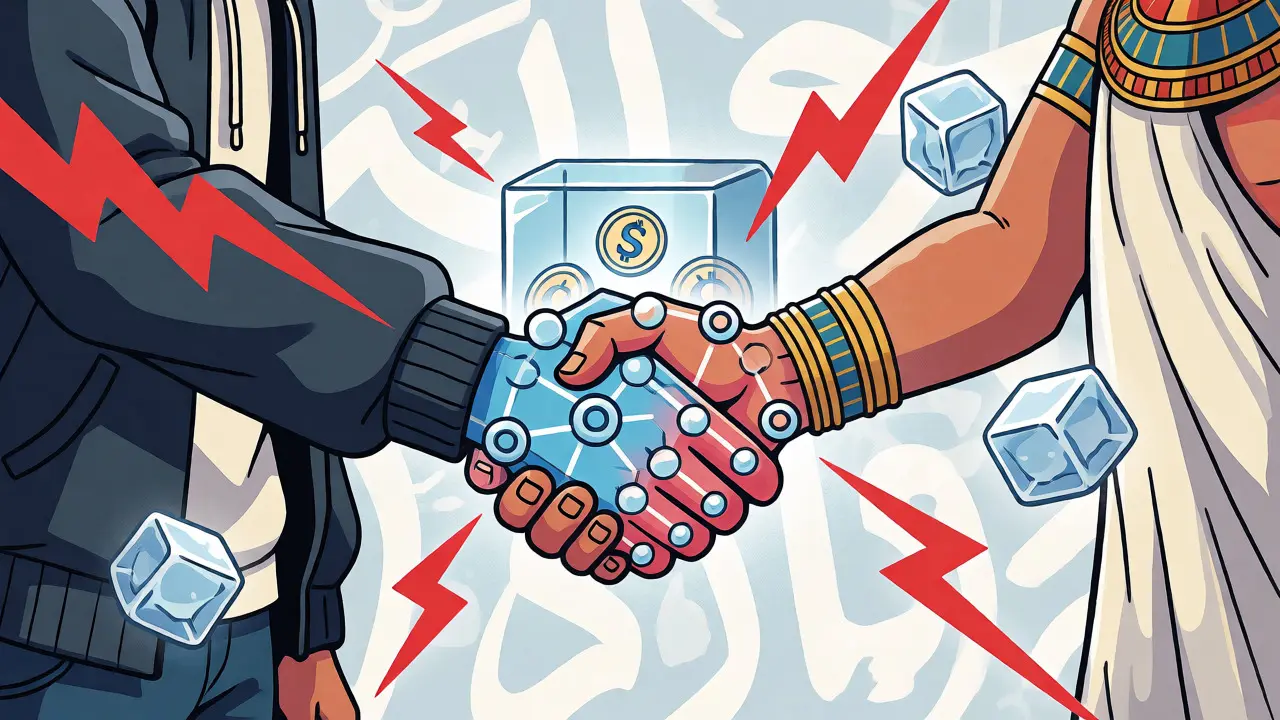
Let’s clear up the biggest misconception first: owning Bitcoin is not explicitly illegal in Egypt. What is illegal is issuing or promoting unlicensed cryptocurrencies without CBE approval. Law No. 194 of 2020 created this ambiguity. It didn’t ban possession; it banned the infrastructure that makes possession easy within the local banking system. Consequently, Egyptian banks refuse to process transactions linked to crypto exchanges. If you try to wire money from your bank account to a foreign exchange, the bank often flags it, freezes the transfer, or simply rejects it citing internal compliance rules.
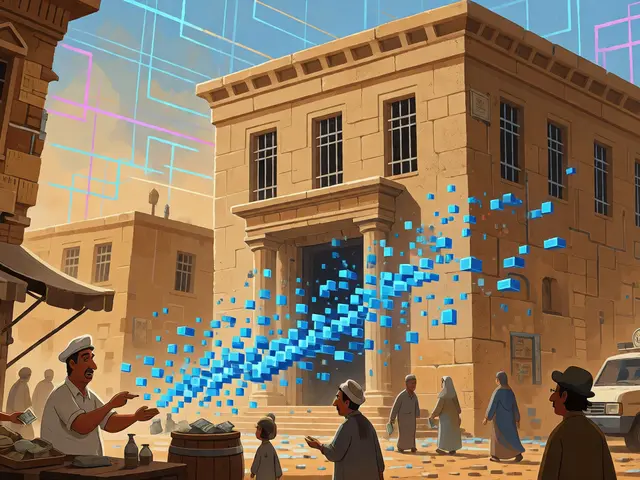
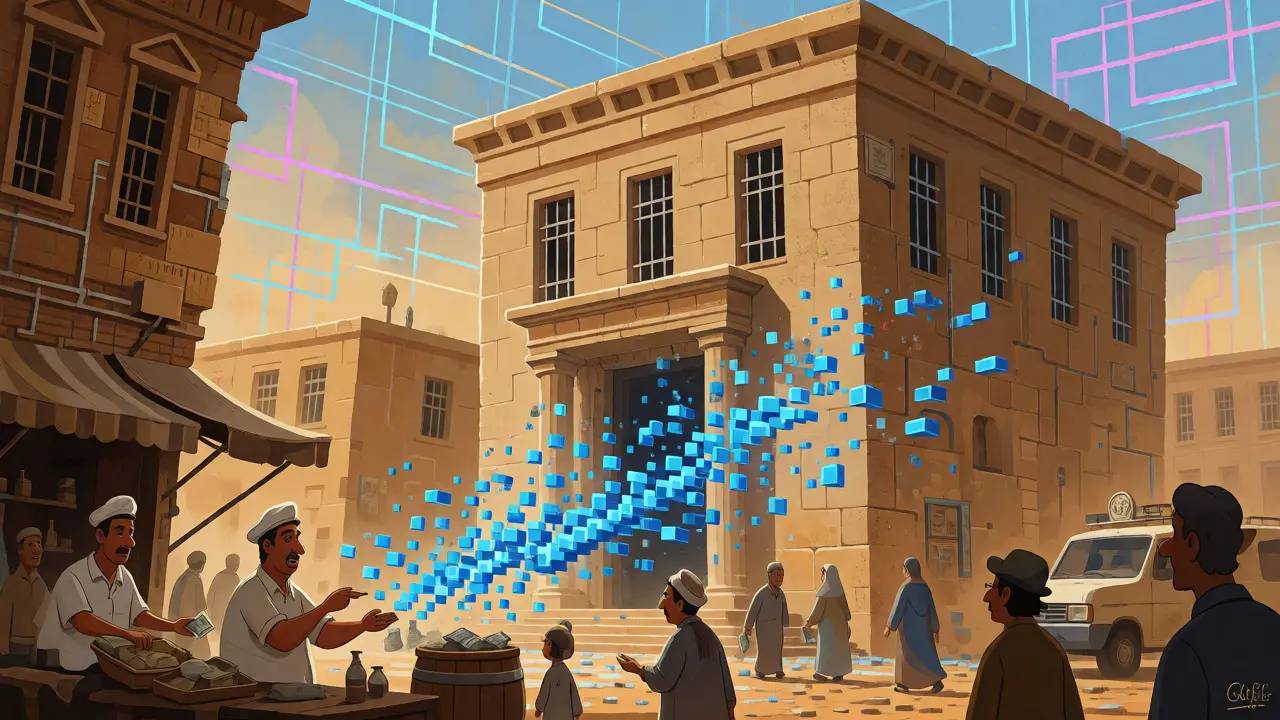
This creates a massive friction point. Traders can’t use direct bank transfers (SWIFT or local wires) easily. So, they stop trying. Instead, they turn to P2P. In this model, the bank never sees a transaction labeled "Bitcoin." They see a standard transfer between two individuals-Alice paying Bob for a used laptop, or vice versa. The actual asset swap happens off-chain, on a platform like Bybit or Binance, but the money moves through regular channels that look innocuous to bank algorithms.
| Method | Bank Visibility | Speed | Risk Level | Fees |
|---|---|---|---|---|
| Direct Exchange Deposit | High (Often Blocked) | Fast | Low (if accepted) | Standard Exchange Fees |
| P2P (Bank Transfer) | Medium (Looks like personal transfer) | Slow (Manual confirmation) | Medium (Scams/Chargebacks) | Spread + Platform Fee |
| P2P (Cash/In-Person) | None | Instant | High (Physical safety) | Negotiable Spread |
| Mobile Wallets | Medium (Vodafone Cash etc.) | Fast | Medium (Limit restrictions) | Small Transaction Fees |
The Rise of Bybit and Binance in Cairo
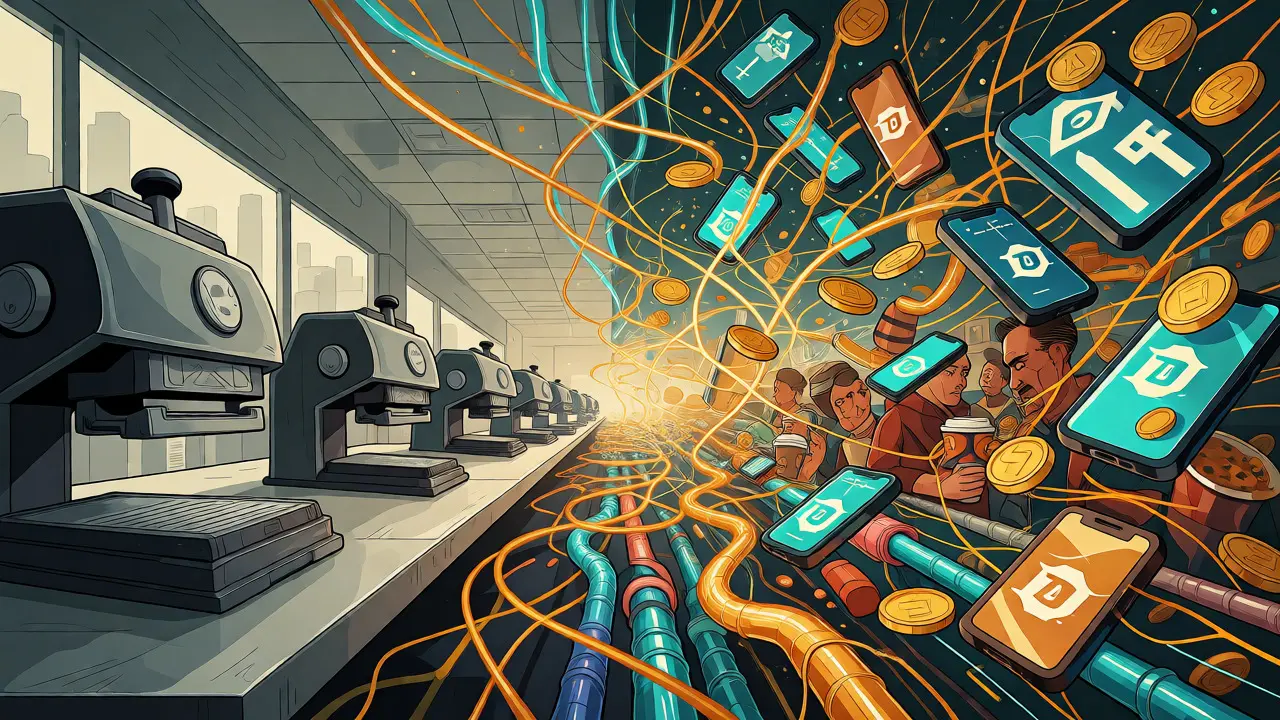
When you walk into a coffee shop in New Cairo or Zamalek, you’ll likely hear people checking their phones for P2P offers. Two names dominate this space: Bybit and Binance. While Binance was the original giant, Bybit has aggressively captured the Egyptian market by tailoring its P2P interface specifically for local needs.
Why Bybit? It offers zero transaction fees on many P2P trades and supports over 1,700 cryptocurrencies. More importantly, it provides an Arabic interface and Shariah-compliant trading options, which matters significantly in a country where religious interpretation plays a role in financial decisions. Dar al-Ifta, the main Islamic authority, initially declared Bitcoin haram, but recent interpretations suggest it could be halal if regulated and economically safe. Platforms that respect these cultural nuances win trust.
Binance remains a strong contender due to its sheer liquidity. It offers diverse deposit options, including mobile money services like Vodafone Cash, which are huge in Egypt. For users under 30, who might not have large bank accounts but do have active mobile wallets, Binance’s integration with local payment rails is a lifeline. However, both platforms require users to navigate KYC (Know Your Customer) processes carefully. Since the CBE doesn’t recognize these exchanges as domestic entities, users must ensure their documentation matches their bank records to avoid mid-trade cancellations.
How the P2P Mechanic Actually Works
So, how does a trade happen when no bank talks to the exchange? Let’s walk through a real-world scenario. Suppose Ahmed wants to buy $500 worth of USDT (Tether).
- The Offer: Ahmed logs into Bybit’s P2P section. He filters for sellers accepting "Bank Transfer" or "Vodafone Cash." He finds a seller named Sarah offering USDT at a slightly higher rate than the global spot price. This premium is the cost of convenience and risk.
- The Escrow: When Ahmed clicks "Buy," Sarah’s USDT is locked in Bybit’s escrow service. The platform holds the crypto, ensuring Sarah can’t run away with the money before receiving payment.
- The Payment: Ahmed sends EGP from his bank account to Sarah’s bank account. He uploads a screenshot of the receipt to Bybit. Note: The bank statement says "Transfer to Sarah M." It does not say "Crypto Purchase."
- The Release: Sarah checks her bank app, confirms the funds arrived, and clicks "Release" on Bybit. The escrow releases the USDT to Ahmed’s wallet.
This entire process relies on trust in the platform’s escrow and the reputation of the trader. If Ahmed tries to pay via PayPal, he risks chargeback fraud. If he pays via cash, he meets Sarah in person, usually in a public place, to hand over the bills. Each method carries different risks, but all avoid the direct scrutiny of the CBE on crypto-specific flows.
Market Size and Economic Drivers
You might think this is a small, desperate community. Think again. Egypt’s crypto market is projected to generate $690 million in revenue, with an expected user base of over 11 million people. That’s nearly 10% of the population touching digital assets. Why such high adoption?
- Inflation Hedge: With the Egyptian Pound facing volatility against the US Dollar, holding stablecoins like USDT is a way for ordinary citizens to preserve purchasing power. Buying physical dollars is difficult due to import restrictions and black market premiums. Digital dollars offer easier access.
- Remittances: Egyptians working abroad send money home. Traditional remittance channels take days and charge high fees. Crypto P2P allows instant settlement, often at better rates.
- Speculation: Young Egyptians, tech-savvy and globally connected, view crypto as the only accessible high-growth investment class outside of real estate, which requires significant capital upfront.
Egypt leads North Africa in crypto value received. This isn't accidental; it's a response to economic pressure. When the local currency devalues, demand for hard assets spikes. Crypto fills that void when gold is too expensive and stocks are inaccessible.
Risks and Pitfalls for Underground Traders
Trading underground isn't free of danger. Without clear consumer protection laws, if a P2P dispute goes wrong, you can’t call the police and expect them to freeze a blockchain transaction. Here are the top threats:
- Scams and Fraud: Fake payment receipts are common. Scammers edit PDFs to show a transfer that never happened. Always wait for the bank notification, not just the screenshot.
- Account Freezes: If your bank notices frequent incoming transfers from unknown individuals, they might flag your account for suspicious activity. This is known as "structuring." Keep your transactions consistent and explainable.
- Platform Dependency: If Bybit or Binance decides to restrict Egyptian IPs tomorrow due to regulatory pressure, you lose access instantly. Many traders keep funds in non-custodial wallets like Trust Wallet or MetaMask to mitigate this.
- Liquidity Gaps: During times of high volatility, P2P spreads widen dramatically. You might pay 5-10% above the market rate just to exit a position quickly.
The Future: Regulation or Adaptation?
Will Egypt legalize crypto soon? The government has shown interest in blockchain technology for land registration and supply chain management. But legalization of trading is a different beast. The CBE remains cautious, prioritizing monetary policy control. Until then, the P2P ecosystem will continue to evolve.
We are already seeing the rise of decentralized finance (DeFi) among advanced Egyptian users. Instead of relying solely on centralized P2P platforms, some traders use automated market makers (AMMs) on chains like Ethereum or BSC, swapping directly with other users globally. This removes the middleman entirely, though it requires technical know-how.
For now, the "underground" nature of Egyptian crypto trading is a feature, not a bug. It represents a resilient financial culture adapting to restrictive conditions. If you’re looking to enter this market, don’t fight the system-learn its language. Use P2P wisely, prioritize security, and keep your records clean.
Is cryptocurrency legal in Egypt?
Owning cryptocurrency is not explicitly illegal, but issuing, trading, or promoting it without Central Bank of Egypt (CBE) approval is restricted under Law No. 194 of 2020. Most trading occurs in a gray area via international platforms.
Which P2P platforms are most popular in Egypt?
Bybit and Binance are the dominant platforms. Bybit is favored for its low fees and Arabic support, while Binance is popular for its high liquidity and integration with mobile money services like Vodafone Cash.
Can I use my Egyptian bank account to buy crypto directly?
Direct deposits to international exchanges are often blocked or flagged by Egyptian banks. Most traders use P2P methods where they transfer EGP to another individual’s bank account, keeping the transaction description neutral.
What are the risks of P2P trading in Egypt?
Key risks include fake payment receipts, account freezes due to suspicious activity patterns, lack of legal recourse in disputes, and wider trading spreads during volatile market periods.
Do I pay taxes on crypto profits in Egypt?
There is no specific crypto tax law yet. However, general income tax principles may apply. Since the regulatory framework is unclear, many traders consult local tax advisors, but enforcement on individual P2P gains remains limited.