Buying cryptocurrency in India used to feel like navigating a minefield. For years, rumors of bans and banking blocks made investors nervous. But today, the landscape is clearer. You can legally buy Bitcoin, Ethereum, and hundreds of other tokens using Indian Rupees (INR). The catch? The government watches closely, taxes profits heavily, and demands strict identity verification.
If you are looking to start investing or simply want to understand how to move fiat money into digital assets without losing your shirt to fees or regulatory headaches, this guide breaks down exactly what you need to do. We will cover the best exchanges, how to handle the 30% tax plus 4% cess, and why your choice of platform matters more than you think.
Is buying crypto legal in India?
Yes. Since the Supreme Court struck down the RBI's ban in 2020, owning and trading crypto is legal. However, it is heavily taxed under Section 115BBH of the Income Tax Act.
Understanding the Regulatory Reality
Before you download an app, you need to know the rules. The Indian government treats cryptocurrency as a capital asset, not a currency. This distinction changes everything about how you pay taxes.
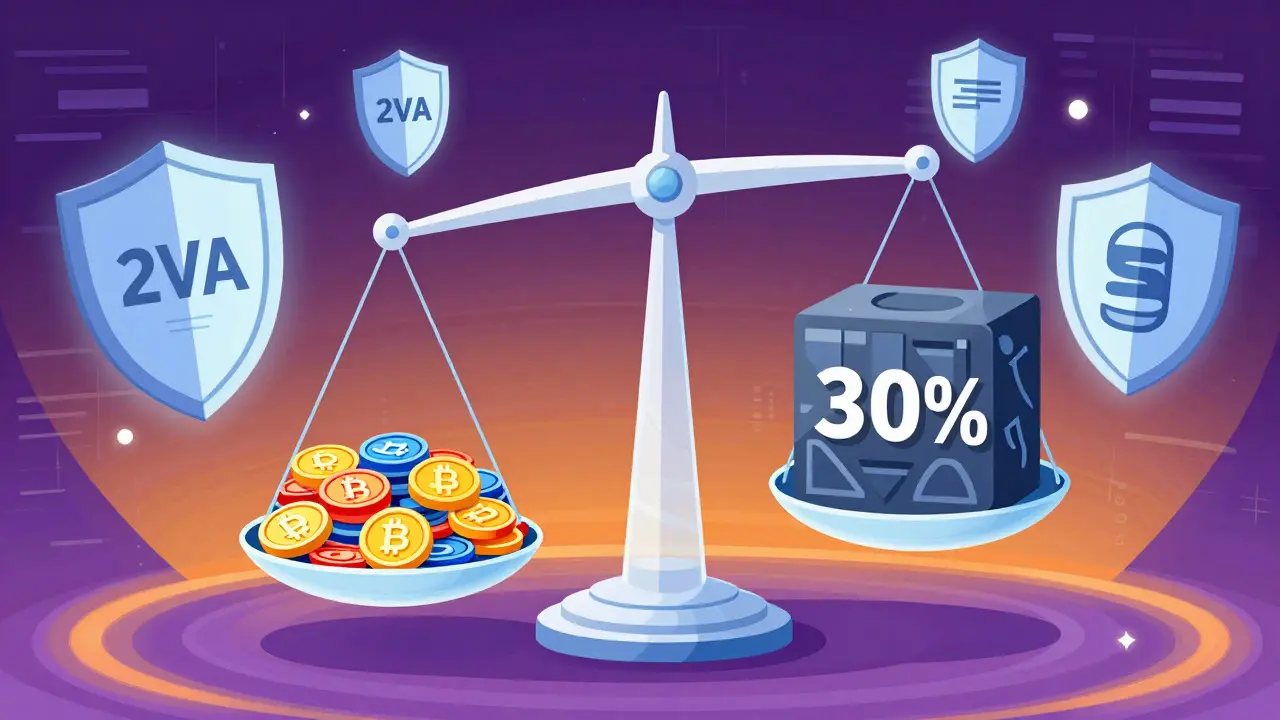
Effective from April 1, 2022, any profit you make from selling crypto is taxed at a flat rate of 30%. On top of that, there is a 4% Health and Education Cess. So, if you sell Bitcoin for a profit, you owe 31.2% of that gain to the government. There is no indexation benefit, which means inflation doesn't lower your tax burden. If your total crypto gains exceed ₹50,000 in a financial year, you must file a separate statement with your income tax return.
There is also the issue of Tax Deducted at Source (TDS). Under Section 194S, compliant exchanges must deduct 1% TDS on every sale transaction above ₹10,000. This isn't a tax; it's an advance payment. You get it back when you file your returns, but it does reduce your liquid cash temporarily. This is why choosing a compliant exchange is critical. Non-compliant platforms might not deduct TDS, leaving you to calculate and pay it manually-a nightmare for most retail investors.
Choosing the Right Exchange
Not all exchanges are created equal. Some offer better prices, others have faster customer support, and some are safer for long-term holding. Here is how the major players stack up in 2026.
| Exchange | Best For | Min. Deposit (INR) | TDS Compliance | Key Feature |
|---|---|---|---|---|
| WazirX | Beginners | 100 | Yes | Instant UPI settlement |
| CoinDCX | Reliability | 500 | Yes | Strong security audit |
| ZebPay | Mobile Users | 500 | Yes | One-tap trading interface |
| Binance India | Coin Selection | 500 | Limited* | 500+ coins available |
WazirX remains the go-to for most beginners. It integrates seamlessly with UPI, allowing deposits to reflect in seconds. With a minimum buy-in of just ₹100, it lowers the barrier to entry significantly. If you are new, this frictionless experience helps you focus on learning rather than troubleshooting payments.
CoinDCX appeals to those who prioritize security and compliance. They have invested heavily in audits and offer automated tax reports, which saves hours during filing season. Their interface is slightly more complex than WazirX but offers deeper order books for larger trades.
ZebPay shines on mobile devices. Its one-tap trading feature is convenient for quick buys, though the fee structure can be higher for small transactions. If you trade frequently via phone, ZebPay’s UX is hard to beat.
Step-by-Step: How to Buy Crypto
The process is straightforward if you follow these steps. Most of it happens on your smartphone.
- Create an Account: Download the app of your chosen exchange (e.g., WazirX or CoinDCX). Sign up with your email and mobile number.
- Complete KYC Verification: This is mandatory. You will need your PAN card and Aadhaar card. Many apps now use video KYC or require a selfie holding your PAN card. Ensure the lighting is good and the text is readable. This step usually takes 15-30 minutes.
- Add Funds: Go to the 'Deposit' section. Select INR. Choose UPI for instant credit. Enter the amount you wish to deposit. Confirm the transaction via your banking app. Note that some banks may still flag crypto-related transfers, so keep small test transactions ready if needed.
- Place Your Order: Navigate to the trading pair you want, such as BTC/INR or ETH/INR. You can choose 'Market Order' to buy instantly at the current price or 'Limit Order' to set a specific price you want to pay. For beginners, Market Orders are simpler.
- Secure Your Assets: Once bought, the crypto sits in the exchange's wallet. For small amounts, this is fine. For larger holdings, consider moving them to a private wallet.
Paying with Fiat: UPI vs. Bank Transfer
In India, UPI (Unified Payments Interface) is the king of payments. It handles billions of transactions monthly and is supported by almost all major crypto exchanges. Deposits via UPI are typically instant. This speed allows you to react quickly to market movements.
Traditional bank transfers (NEFT/IMPS) are slower. They can take anywhere from a few minutes to 24 hours depending on the bank and time of day. While they work, they lack the immediacy of UPI. Also, ensure your bank account is fully verified (KYC completed with the bank) to avoid rejection of large transfers.
A common pitfall: Some users try to send INR directly to a crypto address. This fails. You must send INR to the exchange's designated bank account or UPI ID provided within the app. Sending fiat to a crypto wallet address results in lost funds.
Tax Implications You Cannot Ignore
Let's talk numbers. The 30% tax plus 4% cess is steep. If you buy ₹1 lakh worth of Bitcoin and it doubles to ₹2 lakhs, your profit is ₹1 lakh. You owe ₹31,200 in taxes. If you lose money, you cannot offset those losses against other income sources. Each crypto transaction is treated independently.
Keep records of every transaction. Exchanges provide trade history, but download it regularly. Include the date, amount, value in INR at the time of purchase, and value at the time of sale. Tools like Koinly or CoinLedger can help automate this, but manual spreadsheets work too for smaller portfolios.
Remember the 1% TDS. If you sell ₹1 lakh worth of crypto, ₹1,000 is deducted immediately. You receive ₹99,000. When you file your ITR, you claim this ₹1,000 as paid tax. If your total tax liability is higher, you pay the difference. If lower, you get a refund. Do not treat TDS as a final tax bill.
Security Best Practices
Hacks happen. In 2024, several Indian users lost funds due to phishing scams and weak passwords. Protect yourself with these basics:
- Enable Two-Factor Authentication (2FA): Use an authenticator app like Google Authenticator or Authy. Avoid SMS-based 2FA if possible, as SIM swapping attacks are rising.
- Use Strong, Unique Passwords: Never reuse passwords across exchanges and email accounts. A password manager helps generate and store complex strings.
- Whitelist Withdrawal Addresses: Most exchanges allow you to whitelist specific wallet addresses for withdrawals. This prevents hackers from sending stolen funds to their own wallets even if they breach your account.
- Consider Cold Storage: For significant holdings, buy a hardware wallet like Ledger Nano S+ (around ₹11,999). It stores your private keys offline, making them immune to online hacks. Only 28% of Indian users currently use hardware wallets, which is a missed opportunity for safety.
Future Outlook: Digital Rupee and Regulation
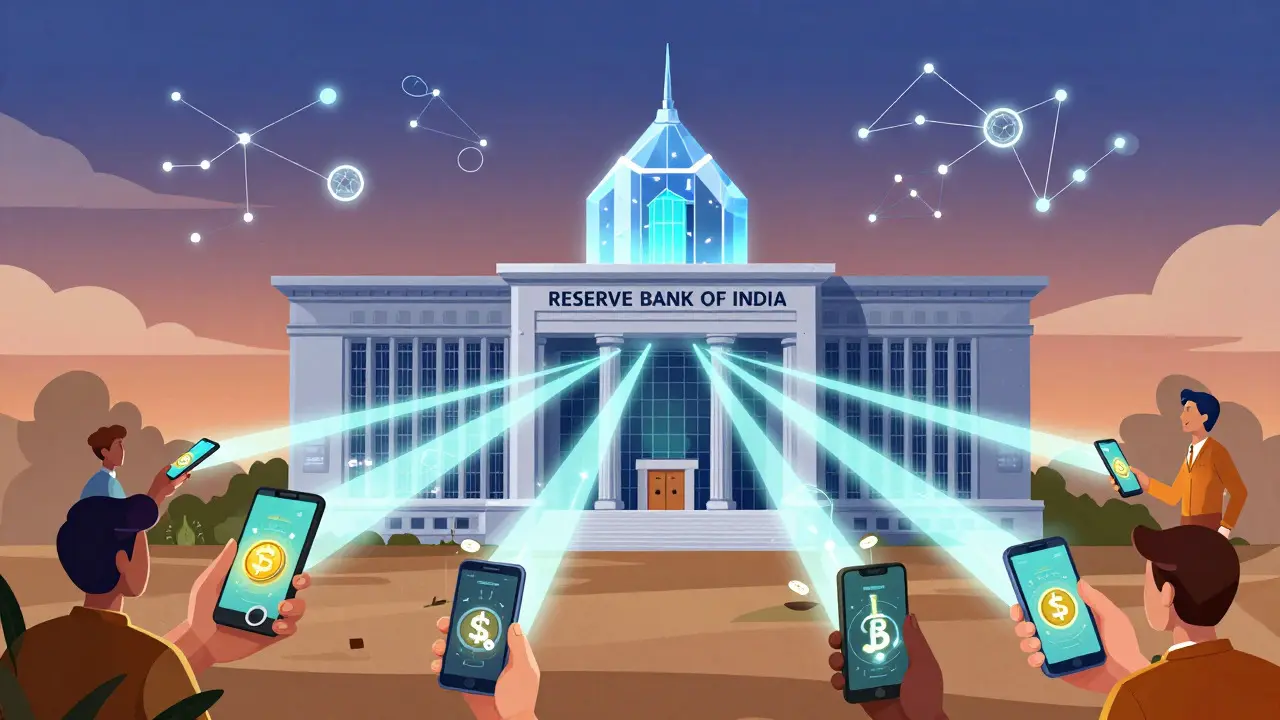
The Reserve Bank of India launched the Digital Rupee (CBDC) pilot in late 2025. While distinct from decentralized cryptocurrencies like Bitcoin, its introduction signals India's embrace of digital finance. Expect tighter integration between traditional banking and crypto platforms in the coming years.
Regulatory clarity is improving. The proposed Crypto Asset Regulation Bill aims to define ownership rights and consumer protections. Until then, operate within the existing framework: comply with KYC, pay your taxes, and choose regulated exchanges. The market is growing-India has over 15 million active crypto users-but prudence remains your best strategy.
What is the minimum amount to buy crypto in India?
Most exchanges like WazirX allow you to start with as little as ₹100. You can buy fractional amounts of Bitcoin or Ethereum, so you don't need to buy a whole coin.
Do I need to pay tax on crypto gifts?
Currently, gifting crypto is a gray area. If the recipient sells it later, they pay tax on the profit based on the original purchase price. Consult a CA for specific gift tax implications under current laws.
Can I buy crypto using a credit card?
Few Indian exchanges accept credit cards directly due to high processing fees and chargeback risks. Most recommend using UPI or bank transfers for INR deposits.
What happens if my exchange gets hacked?
Insurance coverage varies. Some exchanges have insurance funds, but it's not guaranteed. This is why using 2FA and withdrawing large sums to a personal hardware wallet is crucial.
Is Binance safe to use in India?
Binance is popular but faces regulatory uncertainty regarding TDS compliance. Domestic exchanges like WazirX and CoinDCX are currently safer bets for tax automation and regulatory alignment.