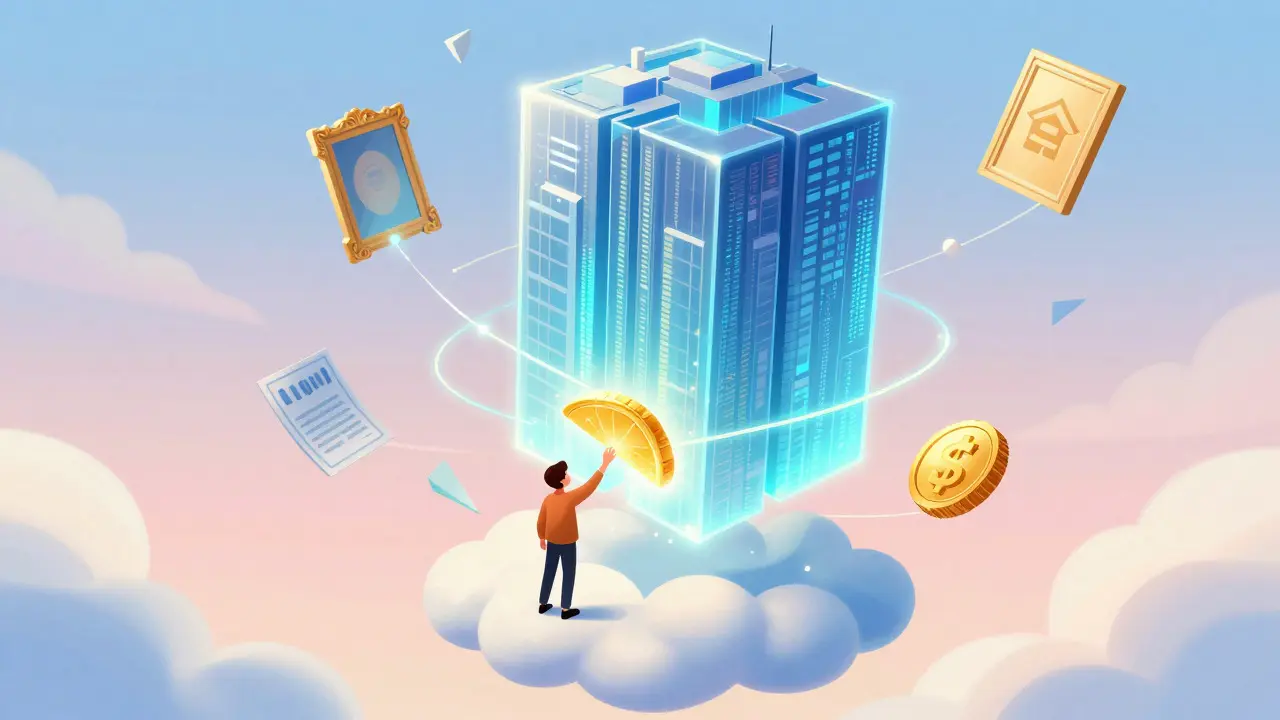
You’ve probably heard that real estate is a great investment. You know stocks can build wealth over time. But what if you could own a slice of a luxury apartment in New York or shares in a promising startup without needing hundreds of thousands of dollars? That’s exactly what security tokens offer. They are digital certificates of ownership backed by real-world assets, sitting on the blockchain.
In 2026, this isn’t just hype anymore. The regulatory fog has lifted, institutions are moving money into these platforms, and the technology is stable enough for everyday investors. If you want to tap into this new era of finance, you need to know how to navigate it safely. This guide walks you through the exact steps to start investing, from picking the right platform to understanding the legal rules that protect your money.
What Exactly Are Security Tokens?
To invest wisely, you first need to know what you’re buying. A security token is a digital representation of a traditional financial asset. Think of it like a stock certificate, but instead of paper or an entry in a bank’s ledger, it exists as code on a blockchain.
Security Token is a blockchain-based digital asset that represents ownership in a real-world entity such as equity, debt, real estate, or commodities. Unlike utility tokens, which grant access to a service, security tokens carry economic rights. This means they can pay dividends, share profits, or give you voting power.
The key difference between a security token and a regular cryptocurrency like Bitcoin is regulation. Bitcoin is largely unregulated; its price moves on speculation and supply/demand. A security token is legally bound to an underlying asset. If you hold a token representing a building, you have a legal claim to a portion of that building’s rental income. This connection to real value makes them less volatile and more suitable for conservative investors looking for steady returns.
Why Invest in Security Tokens Now?
You might wonder why you should bother with tokens when you can just buy stocks on Robinhood or rent out an Airbnb. There are three main reasons that make security tokens compelling in 2026:
- Fractional Ownership: High-value assets like commercial real estate or fine art usually require massive upfront capital. Tokenization splits these assets into thousands of small pieces. You can buy $100 worth of a $10 million skyscraper. This democratizes access to investments previously reserved for the ultra-wealthy.
- Liquidity: Real estate is notoriously illiquid. Selling a property takes months. Security tokens trade on secondary markets. While not as instant as selling Bitcoin, you can often sell your tokens much faster than you could sell physical property, especially during market downturns.
- Transparency and Efficiency: Blockchain records are immutable. You can see the ownership history and transaction details instantly. Smart contracts automate dividend payments and fee distributions, removing the need for expensive middlemen like brokers and clearinghouses.
Step 1: Choose a Regulated Platform
The most critical decision you’ll make is where to invest. Because security tokens are regulated financial instruments, you cannot buy them on any random crypto exchange. You need a platform that complies with local securities laws.
Look for platforms that are registered with relevant authorities, such as the SEC in the United States or the FCA in the UK. In 2026, several major players have emerged. Some are built specifically for security tokens, while others are traditional brokerages adding blockchain capabilities.
When evaluating a platform, check for these features:
- Custody Solutions: Who holds your tokens? Reputable platforms use institutional-grade cold storage or trusted custodians to prevent hacks.
- Asset Variety: Does the platform offer the types of assets you want? Some focus only on real estate, while others include private equity, venture capital funds, and commodities.
- Secondary Market Access: Can you easily sell your tokens later? Platforms connected to larger liquidity pools allow for easier exits.
Avoid platforms that promise guaranteed high returns with zero risk. In finance, that’s always a red flag. Stick to established names that prioritize compliance over flashy marketing.

Step 2: Complete KYC and AML Verification
This step feels bureaucratic, but it’s your safety net. Before you can deposit a single dollar, you must undergo Know Your Customer (KYC) and Anti-Money Laundering (AML) checks. This is mandatory because security tokens are tied to regulated securities markets.
The process typically involves uploading a government-issued ID, proof of address, and sometimes tax identification numbers. Advanced platforms now use biometric verification, taking a selfie to match against your ID photo. This prevents identity theft and ensures that only eligible investors participate.
Why does this matter to you? It protects the integrity of the market. If anyone could buy anonymously, bad actors could manipulate prices or launder money, devaluing your investment. By verifying identities, platforms ensure that everyone playing the game is a legitimate participant.
Step 3: Understand Investor Eligibility
Not all security tokens are available to everyone. Regulations vary by country and by the type of offering. In the United States, many offerings are restricted to "accredited investors." To qualify, you generally need a net worth of over $1 million (excluding your primary home) or an annual income exceeding $200,000 ($300,000 with a spouse).
However, thanks to regulations like Regulation Crowdfunding and Regulation A+, retail investors (non-accredited) can now access certain security tokens. These offerings often have lower investment limits per year but provide broader access. Always read the offering memorandum carefully. It will clearly state who is eligible to buy. If you try to buy a token you aren’t qualified for, the smart contract may reject the transaction, or worse, you could face legal complications.
Step 4: Fund Your Account and Buy Tokens
Once verified and eligible, you need to add funds. Most platforms accept bank transfers (ACH or wire) and sometimes major cryptocurrencies like USDC or Ethereum. Using stablecoins can be faster and cheaper than traditional banking, but ensure the platform supports seamless conversion.
Browsing the marketplace is similar to shopping online. You’ll see listings for various assets. For example, you might find a tokenized office building in Chicago, a venture capital fund focusing on AI startups, or a bond issued by a green energy company. Each listing includes detailed information:
- Annual Return Expectations: Estimated dividends or interest payments.
- Risk Profile: Low, medium, or high risk based on the underlying asset.
- Liquidity Terms: How long you must hold the token before selling (lock-up periods).
- Fees: Management fees, performance fees, and trading commissions.
Start small. Treat your first purchase as a learning experience. Buy a fraction of an asset you understand well. If you know about real estate, start there. If you follow tech trends, look at equity tokens in startups.

Step 5: Manage and Trade Your Portfolio
Owning the token is just the beginning. Good investing requires active management. Security tokens often come with programmable features via smart contracts. Dividends might be paid automatically to your wallet every quarter. You don’t need to fill out forms or wait for checks in the mail.
If you need cash, you can list your tokens for sale on the platform’s secondary market. Prices fluctuate based on supply, demand, and the performance of the underlying asset. Just like stocks, timing matters. Don’t panic-sell during a minor dip unless you need immediate liquidity. Remember, these assets are designed for longer-term holding, though they offer more flexibility than traditional real estate.
| Feature | Traditional Securities | Security Tokens |
|---|---|---|
| Minimum Investment | High (often $10k+) | Low (can be $10-$100) |
| Settlement Time | T+2 days (2 business days) | Near-instant (seconds/minutes) |
| Trading Hours | Market hours only (9:30 AM - 4:00 PM ET) | 24/7/365 |
| Intermediaries | Brokers, custodians, clearinghouses | Smart contracts (reduced intermediaries) |
| Global Access | Limited by geography and banking | Borderless (subject to local laws) |
Common Pitfalls to Avoid
While security tokens offer exciting opportunities, they are not without risks. Here’s what to watch out for:
Liquidity Risk: Not all tokens have active secondary markets. If you buy a niche asset, you might struggle to find a buyer when you want to exit. Always check the trading volume and number of holders before buying.
Regulatory Changes: Laws are still evolving. A change in tax policy or securities regulation could impact the value or tradability of your tokens. Stay informed by following updates from financial regulators.
Platform Risk: If the platform hosting your tokens goes bankrupt or gets hacked, accessing your assets could become difficult. Diversify across multiple reputable platforms rather than putting everything in one basket.
Valuation Complexity: Unlike public stocks, private companies and real estate properties don’t have daily market prices. Valuations are often estimated by auditors. Be cautious of inflated valuations that don’t reflect reality.
The Future of Investing
We are witnessing a shift in how capital markets operate. As more institutions adopt blockchain technology, security tokens will likely become a standard part of diversified portfolios. The barriers to entry are lowering, and the efficiency gains are undeniable.
For the average investor, this means greater choice and control. You no longer have to choose between the stability of bonds and the growth potential of stocks. You can mix both, along with real estate and commodities, all within a single digital interface. The key is to start educated, stay compliant, and think long-term.
Are security tokens safe?
Security tokens are generally safer than unregulated cryptocurrencies because they are backed by real assets and subject to strict financial regulations. However, they still carry market risk. The value of the underlying asset can go down, and technical risks like smart contract bugs exist. Always use reputable, regulated platforms to minimize these risks.
Do I need to be an accredited investor to buy security tokens?
It depends on the specific offering. Many security tokens are restricted to accredited investors due to higher complexity and risk. However, regulations like Reg CF and Reg A+ in the US allow non-accredited (retail) investors to participate in certain offerings, often with annual investment limits. Always check the eligibility requirements listed in the offering documents.
How do I sell my security tokens?
You sell security tokens on secondary markets provided by the platform where you bought them or other authorized exchanges. The process is similar to selling stocks: you place a sell order at your desired price. Note that some tokens have lock-up periods where you cannot sell for a set time, and liquidity may be lower than in traditional stock markets.
What taxes apply to security token investments?
Tax treatment varies by jurisdiction and asset type. Generally, dividends received are taxed as income, and capital gains are taxed when you sell the token for a profit. In the US, the IRS treats security tokens similarly to traditional securities for tax purposes. Keep detailed records of all transactions, including purchase dates, prices, and dividend receipts, to simplify filing. Consult a tax professional for advice specific to your situation.
Can I lose all my money in security tokens?
Yes, like any investment, you can lose money. If the underlying asset fails-for example, if a company goes bankrupt or a property becomes worthless-the value of your tokens can drop to zero. Additionally, if the platform managing the tokens faces insolvency, there could be delays or losses in recovering your assets. Diversification is key to mitigating this risk.

Carl Michaud
August 2, 2026 AT 14:38Let’s be real for a second because the mainstream narrative is totally cooked. This whole security token thing is just a sophisticated way for the elites to siphon off liquidity while pretending it’s 'democratization'. The regulatory fog hasn’t lifted; it’s just been moved underground where they can pick your pockets without you noticing. Smart contracts? More like dumb traps designed to lock your capital until the market crashes and the insiders have already exited. You think you’re buying a slice of a NY apartment, but you’re actually buying exposure to platform risk and regulatory arbitrage. The SEC isn’t protecting you; they’re just waiting for the bubble to burst so they can blame the victims. Wake up.
Alex Di Mango
August 4, 2026 AT 03:21I think Carl might be seeing things a bit darkly here. While skepticism is healthy, ignoring the tech progress feels unfair. I’ve been following this space since early 2024 and the KYC improvements are genuinely impressive now. It’s not perfect, sure, but having instant settlement times compared to T+2 days is a game changer for cash flow management. Plus, fractional ownership really does open doors for people who don’t have six figures sitting around. It’s about balance, not total rejection.
Carl Michaud
August 6, 2026 AT 02:23Alex, you’re being too naive. Instant settlement doesn’t mean anything if the underlying asset valuation is based on smoke and mirrors. Who audits these private equity tokens? Some shell company owned by the same guys running the platform. It’s circular validation. And don’t get me started on the 'biometric verification'-that’s just data harvesting for future identity theft vectors. The system is rigged to make you feel safe while they strip-mine your privacy.
Prudence Flemming
August 7, 2026 AT 09:30The epistemological framework of trust in decentralized ledgers is fundamentally flawed when applied to regulated securities. We are conflating technical immutability with economic stability which is a category error. The blockchain records the transaction but it cannot validate the truth of the underlying asset’s performance metrics. Therefore the transparency promised is merely superficial visibility into a black box of financial engineering. One must question the ontological status of the 'asset' itself when it is reduced to a digital token devoid of physical interaction.
Nick Darring
August 9, 2026 AT 07:15Look I know everyone loves to complain about the establishment but let’s look at the actual mechanics here. You spend hours trying to sell a house or find a buyer for a small business stake and nothing happens for months. With tokens you can list it and maybe find a buyer in weeks. Is it perfect? No. Is it better than the old way? Absolutely. People love to act like they’re smarter than the market but most of us just want our money to work harder without us having to manage tenants or deal with brokers who charge 6% fees. This cuts out the middlemen which is always good for the little guy even if the big guys try to spin it otherwise.
Lorraine Surringer
August 9, 2026 AT 15:01Ugh why do i have to upload my ID again?? Every single platform asks for the same stuff over and over its so annoying. Like cant they just share the data securely?? And dont get me started on the wait times for approval. I tried signing up for two different platforms last week and one rejected me because my selfie was 'too bright' whatever that means. Its so frustrating trying to invest when the process feels like jumping through hoops designed to fail you. I just want to buy some real estate tokens without feeling like Im under investigation.
Eden Tadesse
August 9, 2026 AT 19:28i totally agree with lorraine the kyc process is a nightmare. i spent an hour scanning docs only for the app to crash right before submission. also why do we need tax id numbers for small amounts?? seems excessive. but hey if it makes the big banks feel safe then i guess ill keep doing it lol
Amor Jordan
August 10, 2026 AT 08:11I hear you both, and honestly, the friction is real. But remember that the bureaucracy exists because these aren't just digital collectibles; they're legal claims on real value. If you skip the verification, you risk the whole ecosystem being tainted by bad actors. It’s tedious, yes, but it’s the price of entry for a safer, more transparent market. Just take a deep breath, grab your passport, and power through it. The potential for passive income from those automated dividends is worth the initial hassle, I promise.