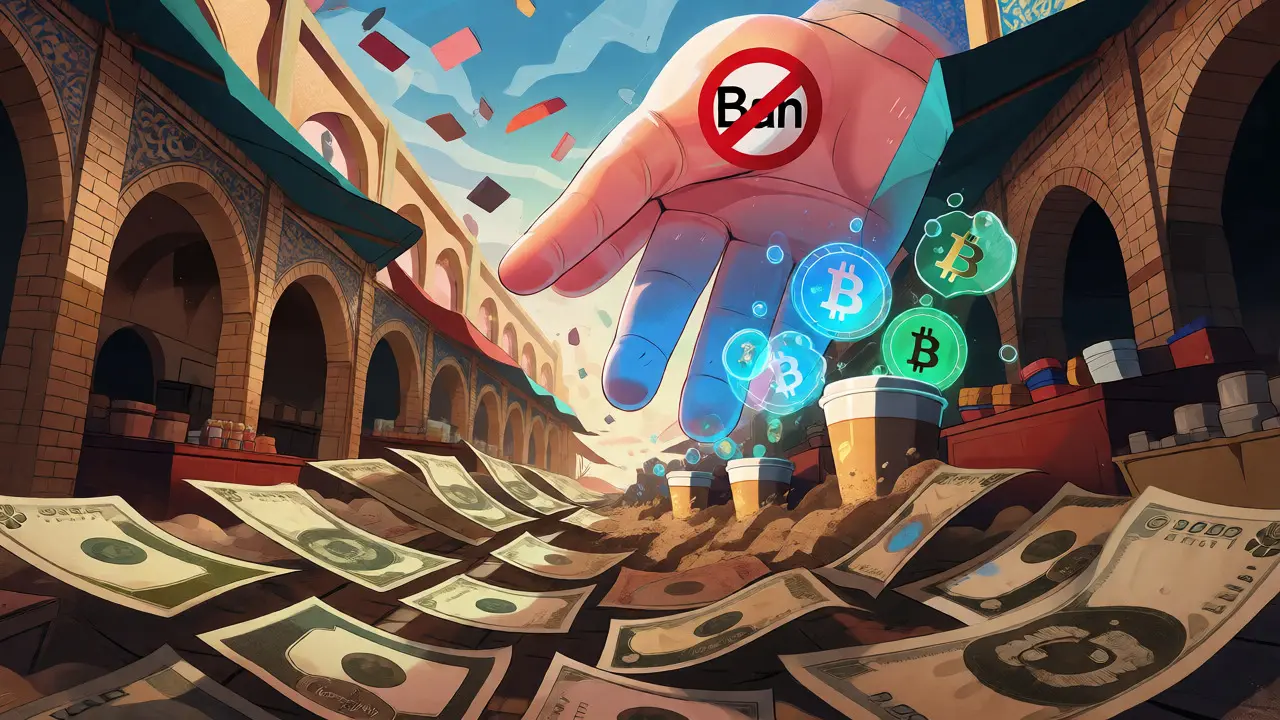
Imagine trying to buy your morning coffee with Bitcoin. In most countries, this is a quirky experiment. In Iran, it’s practically illegal for daily spending, yet millions use digital assets to survive economic chaos. The short answer to "is crypto regulated in Iran?" is yes-but not in the way you might expect. It’s less about encouraging innovation and more about controlling capital flight and dodging sanctions.
If you’re an investor, a trader, or just curious about how a sanctioned nation handles decentralized money, the situation is messy. As of late 2025 and into 2026, the Central Bank of Iran (CBI) has tightened its grip significantly. They’ve blocked direct payment channels, capped stablecoin holdings, and banned advertising. But here’s the twist: while domestic transactions are restricted, international trade via crypto is quietly booming. Let’s break down exactly what’s legal, what’s banned, and how Iranians actually navigate this digital minefield.
The Legal Landscape: Ban or Regulation?
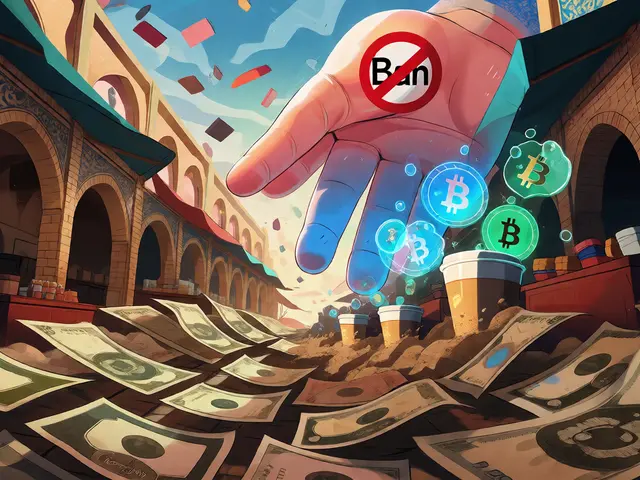
First, let’s clear up a common misconception. Iran hasn’t outright banned all cryptocurrency ownership. You can hold Bitcoin. You can trade Ethereum. What is banned is using these assets as legal tender for buying goods and services within the country. The CBI views foreign cryptocurrencies as a threat to monetary sovereignty, especially when the national currency, the Rial, is under pressure from inflation and sanctions.
In January 2025, President Masoud Pezeshkian signed a directive that formalized the CBI’s role as the sole regulator. This wasn’t just paperwork; it was a power grab. The directive required all crypto platforms operating in Iran to route transactions through government-controlled gateways. This means every time you swap Rials for Tether on a local exchange, the state sees it. They have full visibility into who is buying, how much they’re holding, and where the money goes.
Then came the crackdowns. In December 2024, the CBI severed the primary on-ramp by blocking crypto-to-Rial payment channels. By February 2025, they had gone further, banning all cryptocurrency advertising in physical and digital spaces. If you saw a billboard for a crypto exchange in Tehran last year, you were seeing something that no longer exists legally. The goal? To suppress public hype and reduce speculative bubbles that could destabilize the economy.
Stablecoins Under Siege: The $10,000 Cap
For many Iranians, stablecoins like USDT (Tether) aren’t about speculation; they’re about survival. With the Rial losing value rapidly, holding dollars digitally is a hedge against inflation. But the government knows this, and they’ve put a ceiling on it.
In September 2025, the CBI imposed strict limits on stablecoin holdings. Here are the hard numbers you need to know:
- Annual Purchase Limit: Individuals and businesses can buy no more than $5,000 worth of stablecoins per year.
- Holding Balance Limit: You cannot hold more than $10,000 worth of stablecoins at any given time.
- Compliance Window: Holders were given one month to comply with these new ceilings after the announcement.
Why so low? Because if everyone holds their wealth in USDT, the Rial becomes even weaker. By capping holdings, the state forces people to convert excess funds back into Rials or other assets like gold or real estate. For a regular person trying to protect their savings, a $10,000 cap is tiny. It effectively turns stablecoins from a universal savings tool into a limited liquidity buffer.
| Restriction Type | Specific Rule | Impact on Users |
|---|---|---|
| Payment Methods | Crypto cannot be used for domestic retail payments. | Must convert to Rial for daily purchases. |
| Stablecoin Holdings | $10,000 max balance; $5,000 annual purchase limit. | Limited ability to hedge against inflation. |
| Advertising | Total ban on crypto ads in media and online. | Harder for new users to find reliable exchanges. |
| Mining | Miners must sell output directly to the CBI. | Many miners operate illegally to avoid low prices. |
| Taxation | Capital gains tax on crypto trading (since Aug 2025). | Profits are now taxable like gold or forex. |
Mining: The State’s Cash Cow
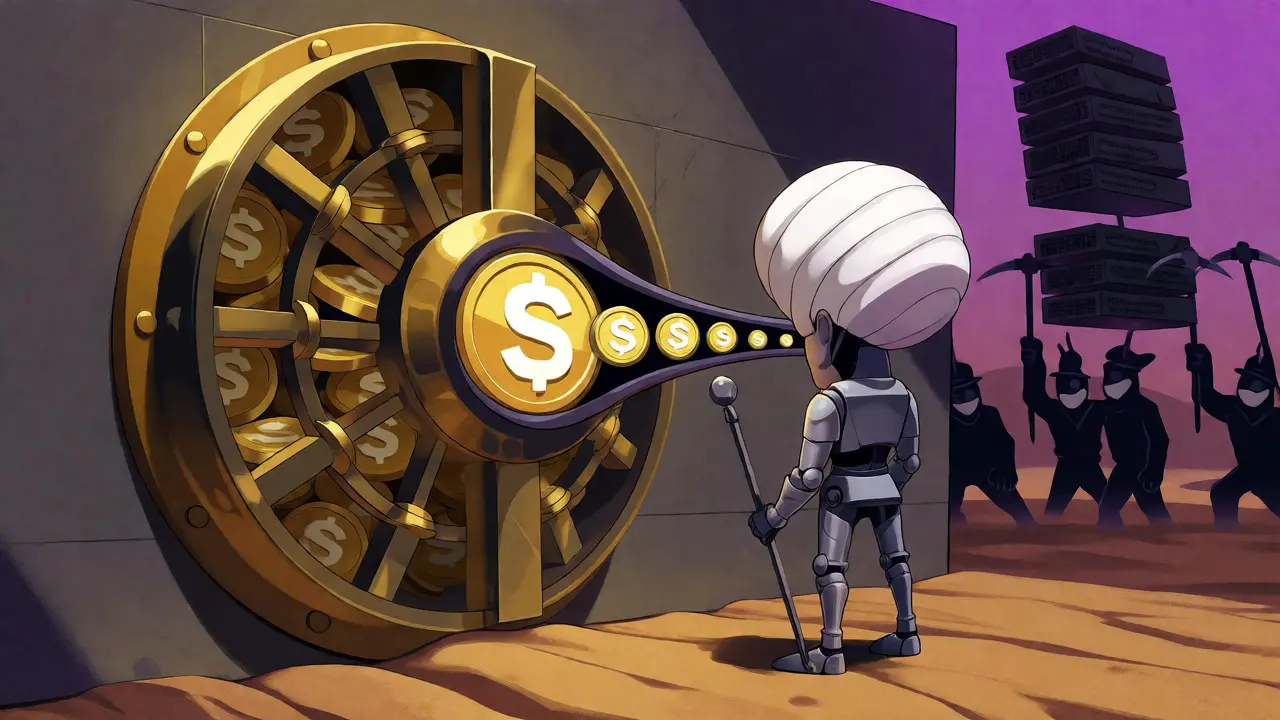
Iran has some of the cheapest electricity in the world, making it attractive for Bitcoin mining. However, the government treats mining as a strategic resource, not a hobby. Licensed miners are required to sell their mined Bitcoin directly to the Central Bank. Why? Because the CBI uses these coins to pay for imports and bypass SWIFT restrictions caused by international sanctions.
This policy creates a weird incentive structure. Licensed miners get paid in Rials at a fixed rate, which often lags behind market prices. Unlicensed miners, however, sell their Bitcoin on the open market for higher returns. This drives many operations underground. During winter months, when energy demand spikes for heating, the government frequently shuts down unauthorized miners to prevent blackouts. If you own a mining rig in Tehran, you’re constantly watching for power cuts.
The Workarounds: How Iranians Actually Trade
Despite the heavy-handed regulations, Iran remains one of the largest crypto markets in the Middle East. Estimates suggest daily trading volumes hover around $143 million. How do people trade if the official channels are so restrictive?
They adapt. A significant portion of trading-some estimates say up to 60%-happens through unofficial channels. Many users rely on VPNs to access foreign exchanges like Binance or KuCoin, which don’t require the same local banking ties. Others use Peer-to-Peer (P2P) networks where buyers and sellers meet directly, often settling payments via bank transfers that look like ordinary commerce.
A major shift happened in July 2025 when Tether froze over 40 Iranian-linked addresses. This scared many users who realized their USDT could vanish overnight due to geopolitical pressures. In response, there’s been a rapid migration toward DAI, a decentralized stablecoin that isn’t controlled by a single company. DAI’s share among Iranian users jumped from 35% to nearly 65% as people sought assets that couldn’t be easily frozen by US regulators.

The Sanctions Paradox
Here is the core contradiction of Iran’s crypto policy: The government bans crypto for domestic use but encourages it for international trade. Since Western banks refuse to deal with Iranian institutions due to sanctions, the CBI uses crypto as a bridge. They accept Bitcoin and stablecoins for oil exports and import payments. This allows them to move billions without touching the dollar-based system.
However, this strategy carries risks. When the UN reinstated snapback sanctions in September 2025, the CBI immediately tightened domestic rules. It seems the government wants to keep the population out of the crossfire while using the technology themselves. Economist Mohammad Sadegh Alhosseini warned that if individual wallets become too identifiable, Iran could face secondary sanctions targeting those specific accounts. This fear drives much of the secrecy and the push toward privacy-focused networks.
What This Means for Investors
If you’re looking at Iran from the outside, don’t expect a free-market paradise. The regulatory environment is volatile. Rules change quickly-sometimes with only a month’s notice. The introduction of capital gains taxes in August 2025 shows that the state intends to treat crypto like any other asset class: profitable and taxable.
For locals, the challenge is navigating the bureaucracy. Opening an account on a licensed exchange like Nobitex can take days and requires rigorous identity verification. Fees are higher because of the mandatory government gateway integration. Yet, despite the friction, people stay. The alternative-holding depreciating Rials-is worse.
The future likely holds more control, not less. The CBI plans to expand its own digital currency, the "Rial Currency," into general retail use by mid-2026. This central bank digital currency (CBDC) will compete directly with private stablecoins. While it offers stability, it removes anonymity. Every transaction will be trackable, giving the state unprecedented power over personal finance.
Is Bitcoin legal to own in Iran?
Yes, owning Bitcoin is legal. However, you cannot use it to pay for goods and services in shops or restaurants. It is treated as a commodity or asset, not legal tender. You can trade it on licensed exchanges, but transactions are monitored by the Central Bank.
Can I use Tether (USDT) freely in Iran?
Not freely anymore. As of late 2025, there are strict caps: you can only buy $5,000 worth per year and hold a maximum of $10,000. Additionally, Tether has frozen Iranian addresses, leading many users to switch to decentralized alternatives like DAI to avoid seizure risks.
Why did Iran ban crypto advertising?
The ban, implemented in February 2025, aims to curb speculative frenzy and reduce the influence of foreign financial instruments on the domestic economy. By removing ads, the government tries to lower the visibility of crypto as a mainstream investment option for the average citizen.
Do I have to pay taxes on crypto profits in Iran?
Yes. Starting in August 2025, the Law on Taxation of Speculation and Profiteering imposed capital gains tax on cryptocurrency trading. Profits are taxed similarly to gains from gold, real estate, or foreign exchange trading.
Is crypto mining allowed in Iran?
Mining is allowed only with a license. Licensed miners must sell their output to the Central Bank of Iran at set rates. Unauthorized mining is illegal and often shut down during energy shortages. Many miners operate informally to avoid selling at below-market prices.