
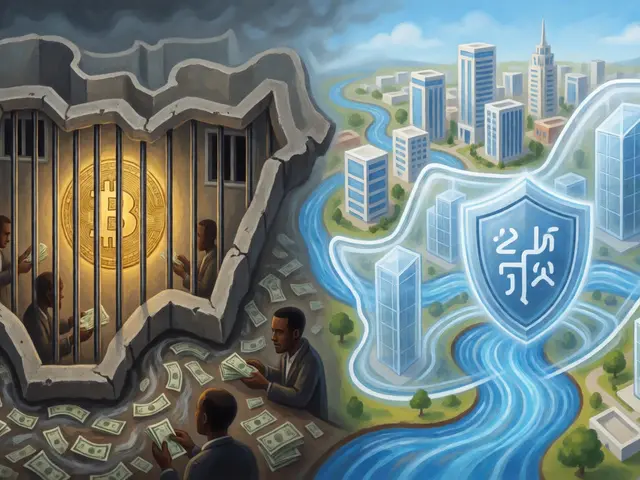
Imagine plugging your high-end gaming PC into a wall socket, only to find the power cut because someone else is hogging the grid. Now multiply that by thousands of industrial-scale servers. That was the reality in Kazakhstan just a few years ago. After China banned cryptocurrency mining in 2021, a massive wave of miners fled north, turning this Central Asian nation into a global hub for Bitcoin production. But the local grid wasn't built for it. The result? Blackouts, angry residents, and a strict new system of electricity rationing that has reshaped how crypto mining works in the country.
If you are looking to mine in Kazakhstan or just trying to understand why the rules changed so drastically, you need to know how the state controls power today. It is no longer a free-for-all. The government has stepped in with hard caps, mandatory sales platforms, and heavy taxes. Let’s break down exactly how this system works, who it hurts, and what it means for the future of mining in the region.
The Shift from Wild West to State Control
Kazakhstan didn’t start out as a crypto haven by design. It happened by accident. When Chinese regulators shut down their mining operations, operators needed cheap electricity and lax oversight fast. Kazakhstan offered both. For a short time, it was boomtown USA for ASIC miners. But the national grid started groaning under the weight. Villages lost power during winter heating seasons. Factories faced shutdowns. The government realized they had a problem that threatened basic social stability.
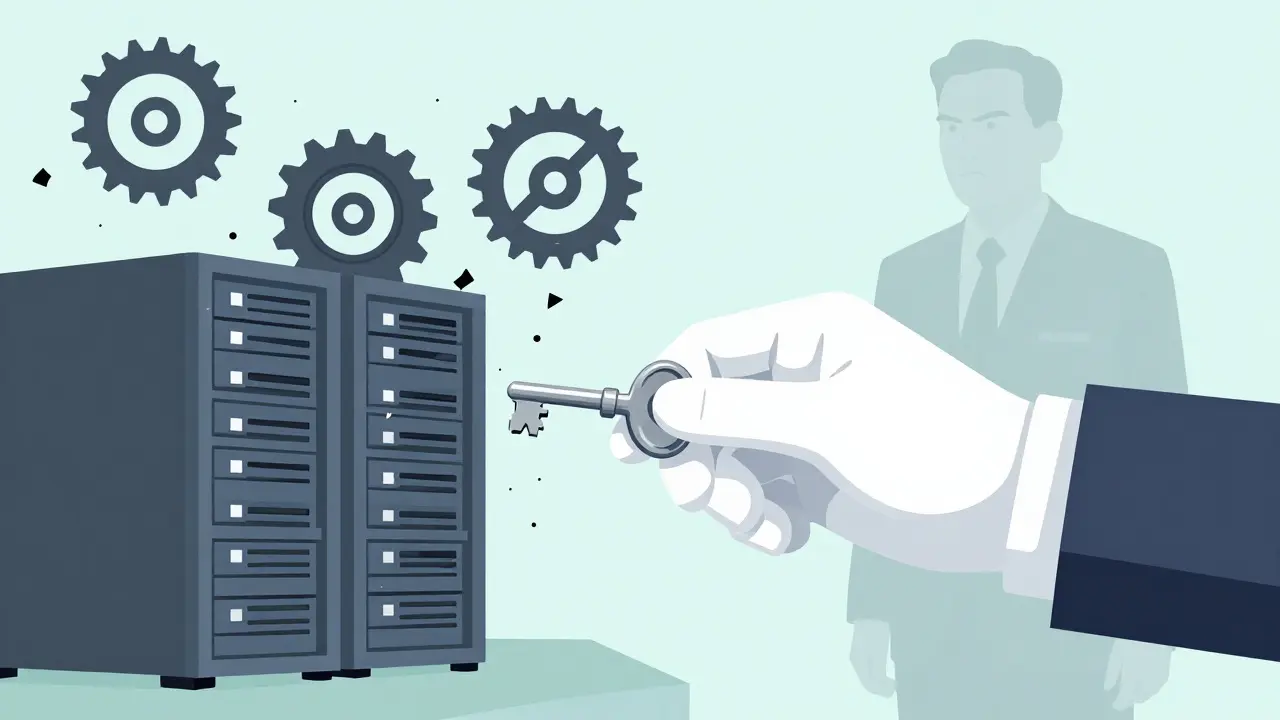
To fix this, the Ministry of Energy introduced a mandatory state-run electricity marketplace. You can no longer just buy power from any utility provider if you are mining. Instead, all licensed mining farms must purchase electricity directly through this state-operated platform. This centralization allows the government to monitor usage in real-time and prevent any single entity from draining too much power at once.
The core mechanism here is simple but restrictive: individual transactions are capped at 1 megawatt-hour (MWh). If you run a large farm, you cannot buy bulk power in one go. You have to make multiple purchases, which creates administrative friction and limits the speed at which you can scale up operations. This isn’t just about saving money; it is about keeping the lights on for regular citizens.
| Regulation Aspect | Previous Status (Pre-2024) | Current Status (2025-2026) |
|---|---|---|
| Electricity Purchase Limit | No strict per-transaction cap | Max 1 MWh per transaction |
| Crypto Asset Sales | Voluntary / Minimal reporting | 75% must be sold on AIFC platforms |
| Tax Rate on Profits | Variable / Lower enforcement | Flat 15% tax rate |
| Licensing | Loose oversight | 84 active licenses, strict tracking |
How the Rationing System Actually Works
So, what does it look like to operate legally today? First, you need a license. As of recent data, the government has issued only 84 licenses to legitimate mining operations. These aren’t handed out freely. They require extensive documentation, proof of equipment ownership, and registration with one of five accredited mining pools. Every single machine-there are over 415,000 registered units tracked in the official database-must be logged.
Once licensed, you enter the state marketplace. Here is where the rationing kicks in. Because you can only buy 1 MWh at a time, larger farms face logistical hurdles. You have to coordinate purchases carefully to avoid downtime. If your internet connection drops or the portal is busy, your rigs sit idle. This favors well-capitalized firms with dedicated compliance teams over small solo miners.
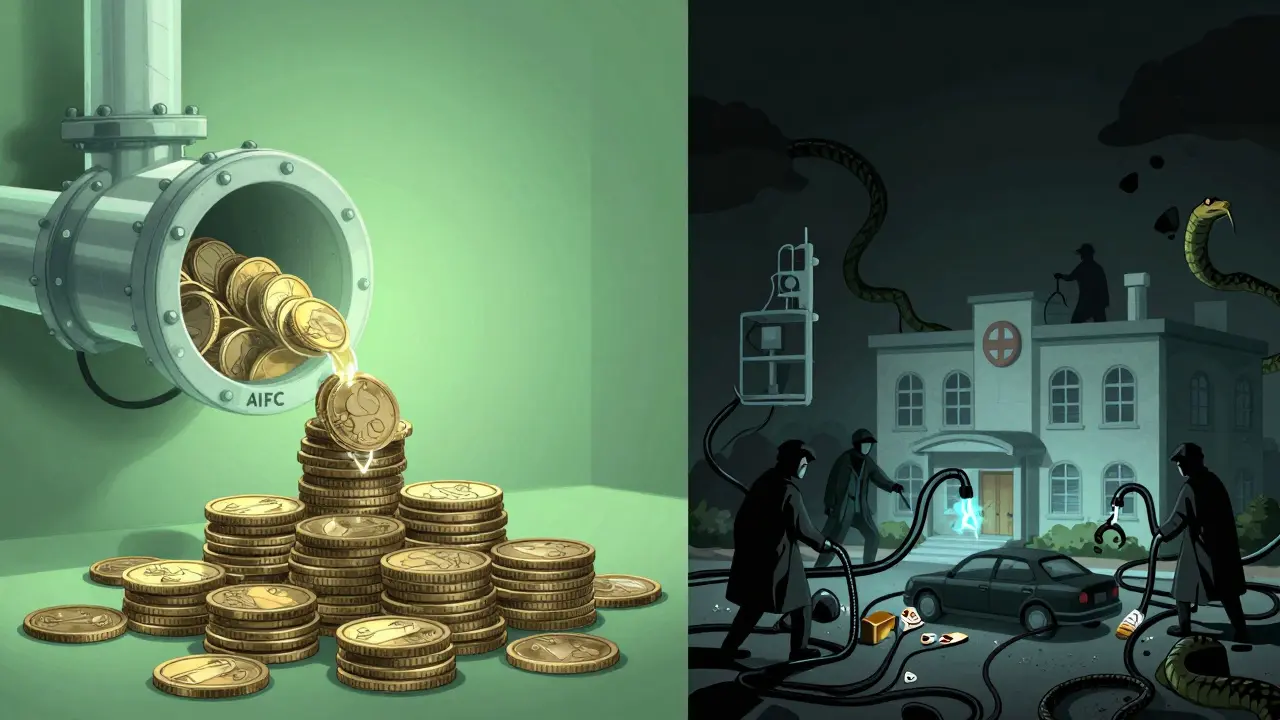
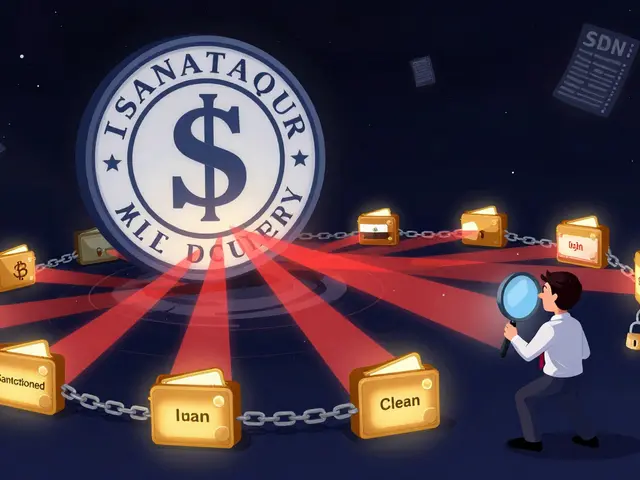
There is also a financial angle. The government mandates a 15% tax rate on mining profits. But the bigger change came in 2025 regarding where you sell your coins. Previously, miners could sell anywhere. Now, they must sell 75% of their mined assets on the Astana International Financial Centre (AIFC) platforms. This rule increased from 50% in 2024, signaling a push to bring more crypto activity under regulatory scrutiny. The goal is transparency. By forcing sales through a regulated exchange, the government can track flows of money and combat money laundering.
The Dark Side: Illegal Mining and Grid Theft
Rules are great on paper, but enforcement is another story. Despite the tight rationing system, illegal mining remains a huge issue. In fact, some of the biggest threats to the grid come from outside the legal framework entirely.
Consider the case uncovered in October 2025 in East Kazakhstan Oblast. Investigators from the Financial Monitoring Agency (AFM) and the National Security Committee (KNB) dismantled a massive illegal operation. This wasn’t a hobbyist stealing a little juice. This network consumed over 50 megawatt-hours of electricity worth approximately $16.5 million (9 billion tenge) over two years. Where did this power come from? Corrupt employees at local utility companies were diverting electricity meant for hospitals, schools, and residential homes.
This theft was equivalent to powering a city of 50,000 to 70,000 people. The criminals used the profits to buy luxury apartments in Astana and high-end vehicles, all of which were later seized by courts. This case highlights a critical vulnerability: while the state controls the *legal* market, insider corruption can still bypass these controls. It shows that rationing alone doesn’t solve the problem if the infrastructure itself is compromised.
Is It Worth It? The Economic Reality
For foreign investors, the question is whether Kazakhstan still offers value. The answer is mixed. On one hand, electricity prices remain relatively low compared to Western Europe or North America. On the other, the bureaucratic overhead has skyrocketed.
Compliance costs now eat up an estimated 10-15% of operational expenses for medium-sized farms. You need lawyers to navigate the licensing process, accountants to handle the 15% tax, and IT staff to integrate with AIFC platforms. Response times from government helpdesks can take weeks, leaving you stuck in limbo.
However, there is a potential silver lining. Energy officials have proposed a "70/30 energy programme." Under this plan, foreign investors would fund upgrades to thermal power plants. In return, 70% of the generated capacity goes to the national grid (helping locals), while 30% is reserved specifically for crypto mining. This could unlock significant new capacity for legitimate miners without straining existing resources. If implemented, this could stabilize the market and provide long-term predictability.
Global Context: Why Kazakhstan Matters
You might wonder why a country in Central Asia matters to the global crypto scene. The numbers tell the story. Global Bitcoin mining consumes about 0.55% of worldwide electricity demand-roughly 168 terawatt-hours annually. Kazakhstan became a key player after the Chinese ban displaced a huge chunk of this hash rate. While its share has fluctuated due to regulation, it remains a strategic location for those seeking lower energy costs than the US or Canada.
Compare this to France, which is exploring using unused nuclear power for mining, or Russia, which is building its own registry systems. Each country is trying to balance economic gain with grid stability. Kazakhstan’s approach is unique because it combines strict state control with a semi-open market via the AIFC. It is not fully closed like China, nor fully open like parts of Texas.
What Should Miners Do Next?
If you are considering entering the Kazakhstani market, do not rush in blind. The days of plug-and-play mining are over. Here is a practical checklist:
- Verify License Availability: Contact the Ministry of Energy early. With only 84 licenses available, competition is fierce.
- Budget for Compliance: Add 15% to your operational budget for taxes and another 10-15% for legal/administrative fees.
- Plan for AIFC Integration: Ensure your treasury management system can handle the mandatory 75% sale requirement on Astana-based exchanges.
- Monitor Grid Stability: Keep an eye on news regarding the 70/30 program. If approved, it may open new zones for expansion.
- Avoid Gray Areas: Never attempt to buy power off-grid or through unofficial channels. The penalties include asset seizure and criminal charges, as seen in the East Kazakhstan case.
The landscape is shifting toward greater transparency and tighter control. While this reduces profit margins for some, it adds legitimacy to the sector. For serious players willing to navigate the bureaucracy, Kazakhstan still holds potential. For casual operators, the risks likely outweigh the rewards.
Can I buy electricity directly from a local utility company for crypto mining in Kazakhstan?
No. Licensed mining farms must purchase electricity exclusively through the state-run marketplace administered by the Ministry of Energy. Direct purchases from local utilities for mining purposes are prohibited to prevent grid overload and ensure fair distribution.
What happens if I exceed the 1 MWh purchase limit?
Transactions exceeding 1 MWh are blocked by the state platform. To acquire more power, you must submit multiple separate requests. Attempting to bypass this through unauthorized connections constitutes illegal electricity theft, which carries severe criminal penalties and asset confiscation.
Why must I sell 75% of my mined crypto on AIFC platforms?
This requirement, increased from 50% in 2024, aims to increase financial transparency and combat money laundering. By forcing sales through the regulated Astana International Financial Centre, the government can better track capital flows and ensure tax compliance.
How many legal mining licenses are currently available?
As of the latest reports, the government has issued 84 licenses to legitimate mining operations. New applications are subject to strict scrutiny, and the total number of licenses may remain capped to protect the national grid.
What is the "70/30 energy programme"?
This is a proposed initiative where foreign investors fund upgrades to thermal power plants. In exchange, 70% of the newly generated capacity would go to the national grid for public use, while 30% would be allocated specifically for crypto mining operations, potentially expanding legal mining capacity.
Are there penalties for illegal mining in Kazakhstan?
Yes. Penalties are severe. Recent cases have resulted in the seizure of all assets purchased with illicit funds, including real estate and vehicles. Operators can also face criminal charges for electricity theft and money laundering, with investigations led by the National Security Committee.
Does Kazakhstan still offer cheap electricity for miners?
While base electricity rates are lower than in many Western countries, the effective cost has risen due to compliance fees, taxes (15%), and administrative bottlenecks. Small miners often find the hidden costs make profitability difficult compared to larger, well-funded operations.
How does Kazakhstan's system compare to other countries?
Unlike China's total ban, Kazakhstan allows mining but with strict state control. Compared to the US, where miners negotiate directly with utilities, Kazakhstan uses a centralized marketplace. It sits between the highly regulated models of Europe and the deregulated markets of North America.



Routh Middaugh
June 29, 2026 AT 05:55Man, reading this makes me realize how much we take stable grids for granted here in the States. It is wild to think that a whole country had to pivot from being an accidental crypto haven to a strictly regulated zone just to keep the lights on for regular people. I mean, imagine losing power in the middle of winter because some server farm decided to hog the grid? That is not just annoying; it is dangerous. The part about the corrupt utility employees stealing power meant for hospitals really hit home for me. It shows that no matter how good the laws are on paper, human greed will always find a way to exploit the system if there is profit to be made.
I also found the detail about the 1 MWh transaction cap fascinating. It sounds like such a small administrative hurdle, but in practice, it must create a massive bottleneck for anyone trying to scale up operations. It basically forces miners to either stay small or hire a team of bureaucrats just to manage their energy purchases. This shift from "Wild West" to state control feels inevitable, honestly. You cannot have industrial-scale computing running on infrastructure designed for residential use without eventually hitting a wall. The government had to step in, even if it killed the easy money days.
John Curry
June 30, 2026 AT 15:15The philosophical implication here is staggering: the collision of decentralized ideology with centralized physical reality. We built Bitcoin on the promise of freedom and decentralization, yet its most energy-intensive phase has forced nations to reimpose strict centralization just to survive. It is ironic, isn't it? The more successful the network becomes, the more it requires the very state apparatus it sought to bypass. Kazakhstan’s journey mirrors the broader tension between digital utopianism and earthly constraints.
When you look at the East Kazakhstan case, where luxury apartments were bought with stolen electricity, you see the raw, unfiltered truth of capital accumulation. It is not abstract code anymore; it is tangible wealth extracted from the communal body. The 70/30 program proposed by officials seems like a pragmatic attempt to reconcile these opposing forces-allowing the machine to run while feeding the host. But can such a balance ever truly exist? Or is this merely a temporary truce before the next crisis? The dramatic irony is that the "freedom" of mining now depends entirely on the benevolence of the Ministry of Energy.
Sajjad Ghorbani Moghaddam
July 1, 2026 AT 18:35Hey everyone, just wanted to share some practical insights based on what I’ve seen in similar regulatory environments. If you’re looking at entering markets like Kazakhstan, the biggest mistake people make is underestimating the compliance overhead. It’s not just about buying ASICs and plugging them in anymore. You need to budget for legal teams who understand local energy law, accountants familiar with the AIFC tax structures, and IT staff who can integrate your treasury with mandatory sales platforms.
The 15% flat tax might sound reasonable, but when you add the 10-15% operational cost for compliance, your margins shrink fast. Also, don’t ignore the licensing bottleneck. With only 84 licenses available, competition is fierce. My advice? Start early. Contact the Ministry of Energy well before you plan to deploy hardware. And please, avoid any gray areas. The penalties for illegal mining aren’t just fines; they include asset seizure and criminal charges. It’s not worth the risk.
Mélanie Boulay
July 2, 2026 AT 06:53I have been following the developments in Central Asian energy policy for quite some time, and it is deeply concerning to observe how quickly the narrative shifted from economic opportunity to public hazard. The article highlights a critical point that often gets overlooked in tech-centric discussions: the social contract. When villages lose power during heating seasons, it is not merely an inconvenience; it is a violation of basic human rights and safety standards. The government’s decision to implement strict rationing and mandatory sales through the Astana International Financial Centre was not arbitrary but rather a necessary response to prevent systemic collapse.
Furthermore, the corruption scandal involving utility employees diverting power from hospitals serves as a stark reminder that technological innovation cannot outpace ethical governance. Without robust oversight and accountability mechanisms, the pursuit of profit will inevitably compromise public welfare. The proposed 70/30 energy programme offers a potential pathway forward, provided that the interests of the general population remain prioritized over those of foreign investors. We must ensure that the benefits of cryptocurrency mining are distributed equitably and do not come at the expense of essential services for ordinary citizens. This requires continuous monitoring, transparent reporting, and a willingness to adapt regulations as new challenges emerge.
Maurice Flynn
July 3, 2026 AT 07:56It’s interesting to watch this unfold. On one hand, you have the idealists talking about decentralization, and on the other, you have the harsh reality of physics and grid capacity. Kazakhstan didn’t ask for this boom; it happened because China pushed miners out, and they needed somewhere to go. Now they’re paying the price for being the path of least resistance. The fact that they had to cap transactions at 1 MWh shows just how fragile their infrastructure was. It’s not just about money; it’s about stability. If the grid goes down, everyone suffers, not just the miners.
The corruption angle is the real kicker though. Stealing power meant for schools and hospitals? That’s despicable. It proves that regulation alone doesn’t fix culture. You can have all the laws in the world, but if the people enforcing them are compromised, nothing changes. The 70/30 plan sounds promising, but I’m skeptical. Governments love proposals that sound balanced until implementation starts. Still, it’s better than the chaos of the early days. Time will tell if this model holds up or if it’s just another band-aid on a broken system.
nancy jarecki
July 4, 2026 AT 03:53The inefficiency inherent in this regulatory framework is laughable. Forcing miners to navigate a labyrinthine bureaucracy simply to purchase electricity via a state-run marketplace is a classic example of command-and-control economics failing to adapt to market realities. The 1 MWh cap is not a safeguard; it is an artificial constraint designed to stifle scalability and penalize efficiency. Furthermore, the mandate to sell 75% of assets on AIFC platforms introduces unnecessary friction and liquidity risks, undermining the very value proposition of cryptocurrency. These measures do not enhance transparency; they entrench cronyism and increase the cost of capital for legitimate operators. The so-called "70/30 programme" is merely a thinly veiled attempt to extract rents from foreign investment under the guise of grid stabilization. True innovation thrives in deregulated environments, not in suffocating bureaucratic cages.