Imagine buying a ticket to your favorite band’s concert, only to find out later that the artist got zero cents from the $200 you paid on a resale site. Sound familiar? That’s the broken model of traditional ticketing. Now, imagine if every time that ticket changed hands, the artist automatically got a cut, and you could prove it was real with a single click. This isn’t sci-fi; it’s happening right now in NFT Ticket Resale Markets. These digital ecosystems are rewriting the rules of how we buy, sell, and verify event access, turning static paper stubs into dynamic, revenue-generating assets.
The Shift From Paper to Programmable Assets
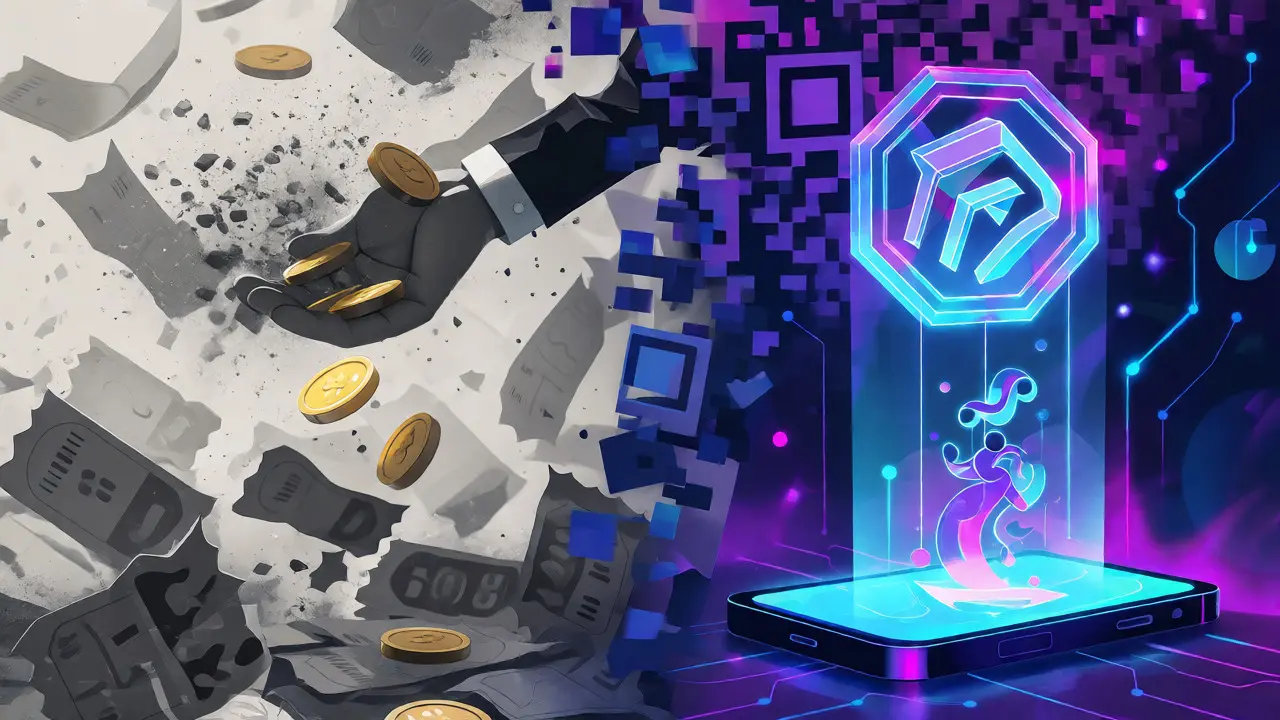
For decades, the secondary ticket market has been a wild west. Platforms like StubHub or Vivid Seats made it easy to flip tickets, but they kept all the profit. The original creator-the band, the team, the organizer-got nothing after the initial sale. NFT ticketing changes this by embedding code directly into the ticket itself. When you buy an NFT ticket, you aren’t just getting a QR code; you’re acquiring a unique token on a blockchain, usually Ethereum or Polygon, that contains specific rules about how it can be resold.
This shift is massive for the industry. In 2025, the global market for these platforms hit USD 1.34 billion, and projections suggest it will surge to USD 7.82 billion by 2033. Why the hype? Because it solves two huge problems: fraud and fairness. Traditional tickets can be faked. You’ve probably seen those horror stories of people showing up to a stadium only to be turned away because their "digital" ticket was a duplicate screenshot. With an NFT, the ownership record is immutable. If the blockchain says you own it, you own it. No screenshots, no confusion.
How Smart Contracts Automate Revenue
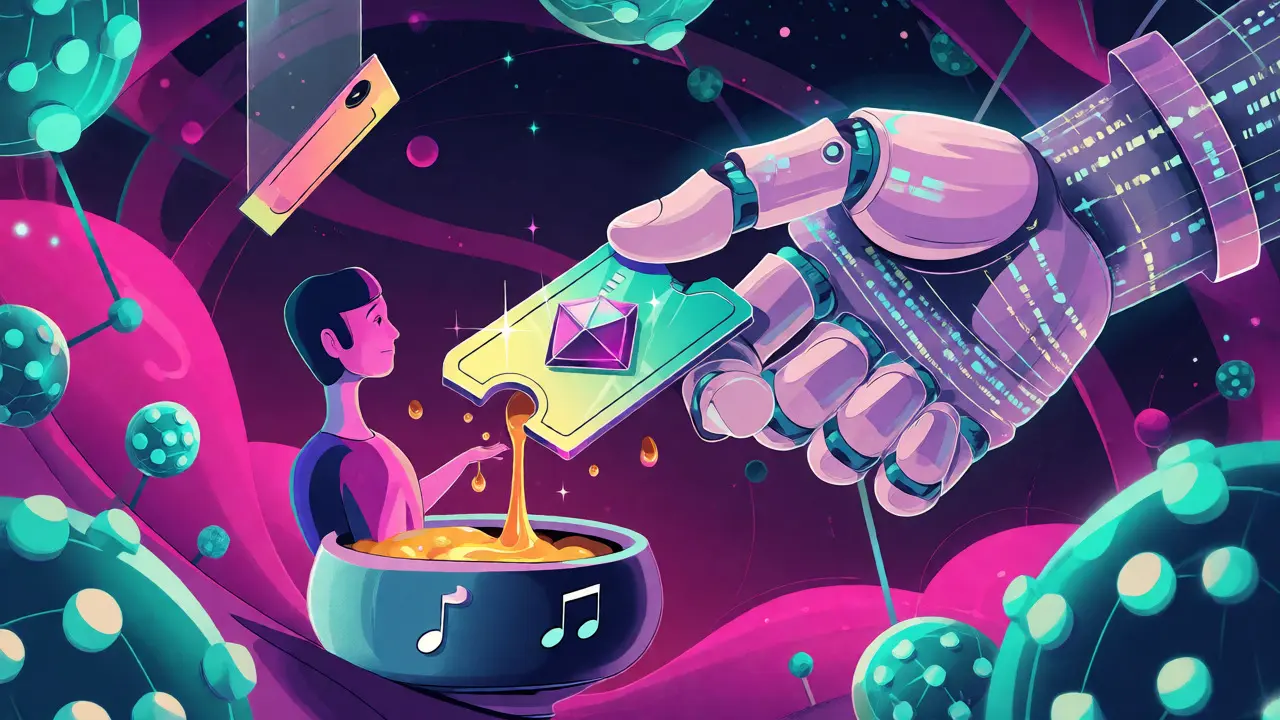
The magic engine behind these markets is the smart contract. Think of it as a self-executing agreement written in code. Unlike a standard PDF ticket, which is dumb data, an NFT ticket is smart. It knows who owns it, where it came from, and what happens when it moves.
| Feature | Traditional Resale (e.g., StubHub) | NFT Resale Market |
|---|---|---|
| Royalty to Creator | 0% (One-time sale) | 5-10% per resale (Automated) |
| Fraud Prevention | Manual checks, high risk of duplicates | Immutable blockchain verification |
| Price Control | Market-driven, often uncontrolled scalping | Capped via smart contract logic |
| User Experience | Familiar email/PDF flow | Wallet-based, requires setup |
| Transaction Cost | High platform fees (10-15%) | Gas fees + Platform fee (variable) |
Here’s the kicker: these contracts can enforce price caps. Have you ever wanted to go to a show but balked at a $500 face-value ticket being resold for $2,000? Organizers can program the NFT so that if someone tries to list it above a certain threshold, the transaction either fails or triggers a higher royalty fee. This helps curb aggressive scalping while still allowing fans to recoup costs if they can’t attend.
The Technical Backbone: Chains and Tokens
You don’t need to be a coder to understand this, but you do need to know where these tickets live. Most NFT tickets currently reside on Ethereum, which powers nearly 62% of all NFT transactions. However, because Ethereum can get expensive during peak times (think Taylor Swift tour announcements), many organizers are shifting to Layer-2 solutions like Polygon or alternative chains like Solana.
Why does the chain matter? Speed and cost. On Ethereum mainnet, a gas fee might add $20-$50 to a transaction during congestion. On Polygon or Solana, that cost drops to pennies. For a $50 ticket, adding $30 in fees makes the resale impractical. Therefore, the choice of infrastructure directly impacts whether a fan will actually use the resale market. Most modern implementations use ERC-721 tokens, which are non-fungible, meaning each ticket is unique. This uniqueness is crucial for tracking attendance and preventing double-spending.
Barriers to Entry: Why Your Grandma Might Struggle
If the benefits are so clear, why aren’t all concerts using NFTs yet? User experience. Let’s be honest: setting up a crypto wallet is not intuitive for the average person. You have to download an app, create a password, write down a seed phrase (and hope you don’t lose it!), and sometimes buy cryptocurrency just to pay for gas fees.
Data shows that while consumer awareness of NFTs jumped from 20% to 65% globally, actual usage among the 35-54 demographic sits at just 11%. That’s a significant gap between interest and action. Users frequently complain about:
- Complex Wallet Setup: Losing a private key means losing your ticket forever. There is no "forgot password" button in Web3.
- Hidden Costs: Gas fees can spike unexpectedly, making low-cost ticket flips unprofitable.
- Environmental Concerns: Despite improvements in energy efficiency, some users still hesitate due to the perceived carbon footprint of blockchain tech.
Platforms that succeed here are those that abstract away the complexity. They let you log in with an email, handle the wallet creation in the background, and even allow credit card payments that convert to crypto seamlessly behind the scenes.

Who Is Winning? The Creator Economy Angle
For artists and event organizers, NFT resale markets are a goldmine. We’re talking about perpetual revenue streams. In the old model, once a ticket sold, the relationship ended. In the new model, the artist earns money every time the ticket changes hands until the event starts.
Consider music festivals. A festival might issue 50,000 NFT tickets. If 20% of those are resold at an average premium of $50, and the artist takes a 7.5% royalty, that’s hundreds of thousands of dollars in pure extra revenue without lifting a finger. Moreover, these tickets become marketing tools. Owners of past event NFTs can be targeted for future sales with exclusive offers, bypassing traditional email marketing filters. Open rates for wallet-based notifications can exceed 50%, compared to 20-30% for standard emails.
The Future: Hybrid Models and Interoperability
We aren’t going to see paper tickets vanish overnight. The immediate future is hybrid. Major players like Ticketmaster and Eventbrite are exploring NFT integration rather than replacing their entire systems. This means you might buy a ticket through a familiar interface, but the underlying asset is an NFT that gives you perks like merch discounts or early entry to next year’s sale.
Interoperability is the next big hurdle. Ideally, an NFT ticket bought on one platform should be tradable on another. Right now, walled gardens exist, limiting liquidity. As standards evolve, we’ll likely see cross-chain compatibility, allowing a ticket minted on Polygon to be easily traded on an Ethereum-based marketplace. This fluidity increases the value of the ticket as an asset, not just a pass.
Do I need to know how to use crypto to buy an NFT ticket?
Not necessarily. Many leading platforms now offer "custodial" wallets where you can pay with a credit card. The platform handles the blockchain interaction for you, hiding the technical complexity. However, to fully participate in the resale market and transfer ownership freely, having a basic understanding of self-custody wallets like MetaMask or Phantom is beneficial.
What happens if I lose my phone or wallet access?
If you used a custodial service (like a centralized exchange or specialized ticketing app), you can usually recover access via email verification. If you used a self-custody wallet, you must have saved your recovery seed phrase. Without it, your NFT-and thus your ticket-is permanently lost, as there is no central authority to reset your password.
Are NFT tickets more secure than traditional ones?
Yes, primarily because they prevent duplication. A traditional PDF ticket can be screenshotted and sold to ten different people. An NFT exists on a public ledger; only one address can hold the token at any given time. This eliminates the most common form of ticket fraud. However, security also depends on your personal hygiene-if you click a phishing link and drain your wallet, the ticket is gone regardless of the technology.
Can organizers stop me from reselling my NFT ticket?
They can restrict it, but rarely block it entirely. Smart contracts can impose conditions, such as a minimum holding period before resale is allowed, or cap the maximum resale price. Some organizers might require that resales happen through their official partner marketplace to ensure royalty collection, though completely locking transfers is controversial and may reduce the ticket's appeal to buyers.
How much does it cost to resell an NFT ticket?
Costs vary based on the blockchain network and current congestion. On high-traffic networks like Ethereum Mainnet, gas fees can range from $5 to over $50 during peak times. On Layer-2 solutions like Polygon or networks like Solana, fees are typically under $1. Additionally, the resale platform will charge a service fee, usually between 5% and 15%, similar to traditional sites.