Bitcoin Risk Management: How to Protect Your Investment in Volatile Markets
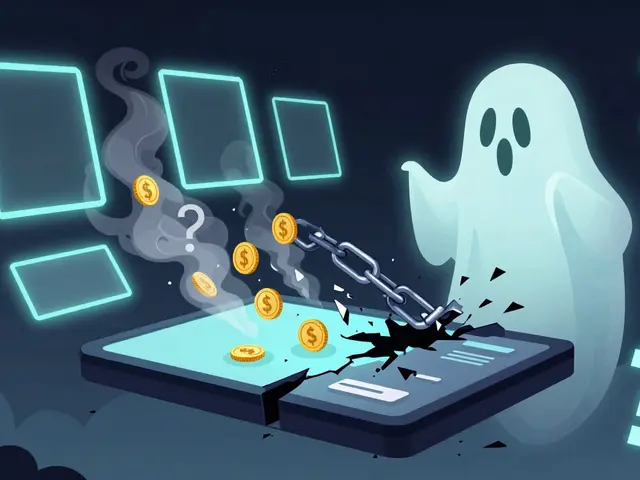
When you buy Bitcoin, the first and most traded cryptocurrency, built on a decentralized blockchain network. Also known as BTC, it's not just digital money—it's a high-risk asset that can swing 20% in a day. Most people think owning Bitcoin means holding it in a wallet and hoping for the best. That’s not risk management. That’s gambling with your savings. Real Bitcoin risk management means knowing exactly how your money can disappear—and taking steps to stop it before it happens.
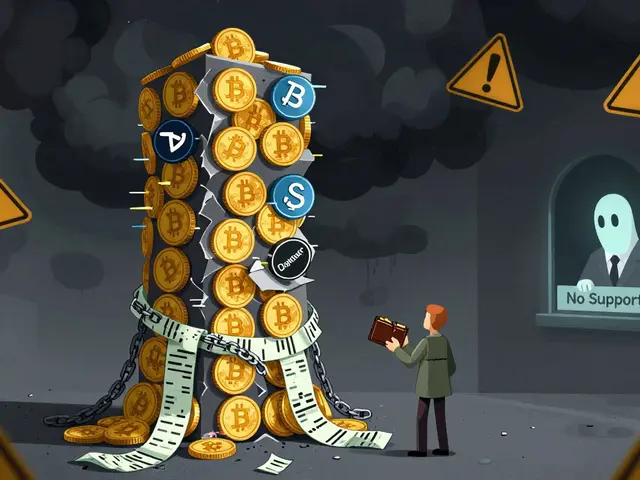
There are three big ways people lose Bitcoin: price crashes, bad exchanges, and scams. Crypto exchanges, platforms where you buy, sell, or trade digital assets. Also known as crypto trading platforms, they’re where most beginners make their first mistake—putting all their Bitcoin on a site with no security audits or insurance. You wouldn’t leave your cash in a gas station safe. Don’t leave your Bitcoin on an exchange like Horizon Dex or ko.one, which have no verified presence. Use cold wallets instead. Cold wallets, offline hardware or paper storage devices that keep crypto safe from online hackers. Also known as hardware wallets, they’re the only way to truly own your Bitcoin. Tools like Ledger or Trezor cost $50-$100. That’s cheaper than losing $5,000 to a phishing scam.
Then there’s volatility. Bitcoin doesn’t move like stocks. It drops 30% in a week because Elon tweets, or Iran shuts off power to miners, or the Philippines freezes $150 million in unlicensed assets. You can’t time that. So you hedge. You don’t put 100% of your savings into Bitcoin. You split it. Keep 20% in stablecoins like USDT, so you can buy more when prices crash. You track your portfolio—not just Bitcoin, but everything you own—so you know when to rebalance. And you never chase hype. No one needs to buy Andrea Von Speed or TODD just because they’re trending. Those aren’t investments. They’re traps.
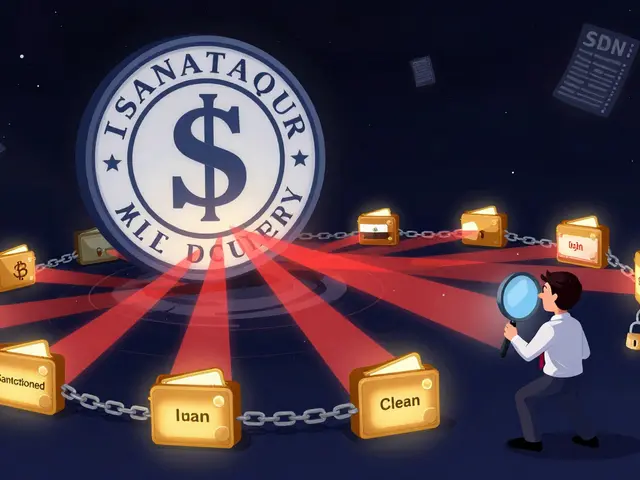
Scams are the silent killer. Social engineering, using psychology to trick people into giving up their crypto. Also known as crypto phishing, it’s how pig butchering scams, fake support teams, and deepfake videos steal millions. No code is broken. No system is hacked. You’re just talked into sending your Bitcoin to a stranger. The fix? Never click links from DMs. Never share your seed phrase. And if someone says "you’ve won a free NFT," walk away. The SHF airdrop? The MPAD token? They’re not gifts. They’re lures.
Bitcoin risk management isn’t about being perfect. It’s about being prepared. It’s knowing that your biggest threat isn’t the market—it’s your own impulse to panic, to chase, to trust too easily. The posts below show you exactly how real people protect their Bitcoin: which exchanges to avoid, how to spot fake airdrops, why cold storage matters, and what to do when the price crashes. No fluff. No hype. Just what works.

How to Set Stop-Loss for Bitcoin: A Practical Guide for Traders
Learn how to set stop-loss orders for Bitcoin to protect your capital from sudden drops. Discover where to place stops, how to use trailing stops, avoid common mistakes, and manage risk like a pro trader.
Recent Post
-

How Sharding Improves Blockchain Scalability
Dec, 28 2025