Bitcoin Trading in Russia: How People Bypass Restrictions and Stay Active
When you hear Bitcoin trading in Russia, the practice of buying, selling, or exchanging Bitcoin within Russia despite government restrictions and financial sanctions. Also known as crypto trading under sanctions, it’s not about big exchanges or Wall Street apps—it’s about ordinary people using cash, messaging apps, and peer-to-peer platforms to keep their money moving. After Western sanctions cut off Russian banks from SWIFT and blocked access to global crypto platforms like Binance and Coinbase, the market didn’t vanish. It just went underground.
What you won’t see in official reports is the real story: tens of thousands of Russians now trade Bitcoin through Telegram groups, local fiat P2P marketplaces, and even cash-in-hand meetups in malls or coffee shops. They’re not trying to get rich overnight—they’re trying to protect savings from inflation, send money to family abroad, or buy goods that local stores can’t provide. P2P crypto Russia, peer-to-peer cryptocurrency trading using local payment methods like Sberbank, Qiwi, or cash deposits has become the default method. It’s slower, riskier, and less convenient than using an app—but it works. And it’s growing.
Then there’s the crypto sanctions Russia, the impact of international financial penalties that forced Russian users to find alternatives to global crypto infrastructure. The Russian government didn’t ban Bitcoin outright—it banned foreign exchanges and restricted banks from handling crypto transactions. That created a legal gray zone. Trading Bitcoin yourself? Not illegal. Using a foreign platform? That’s where trouble starts. So people adapted. They use Russian-based P2P aggregators, local wallets, and even barter systems where Bitcoin is exchanged for electronics, gold, or gift cards. The result? A thriving, decentralized crypto economy that operates outside the reach of regulators.
And it’s not just about survival. Many Russians now see Bitcoin as a tool for financial independence. With the ruble volatile and foreign currency hard to get, crypto isn’t a gamble—it’s a backup plan. The same people who once trusted banks now trust encrypted wallets. The same parents who worried about inflation now teach their kids how to send crypto via QR codes. This shift isn’t driven by hype or speculation. It’s driven by necessity.
Below, you’ll find real stories and breakdowns of how Russians navigate this landscape: from the tools they use to the scams they avoid, the legal traps they sidestep, and the quiet revolution happening in basements, kitchens, and mobile apps across the country. These aren’t theoretical guides—they’re field reports from inside a system that was supposed to collapse… but didn’t.
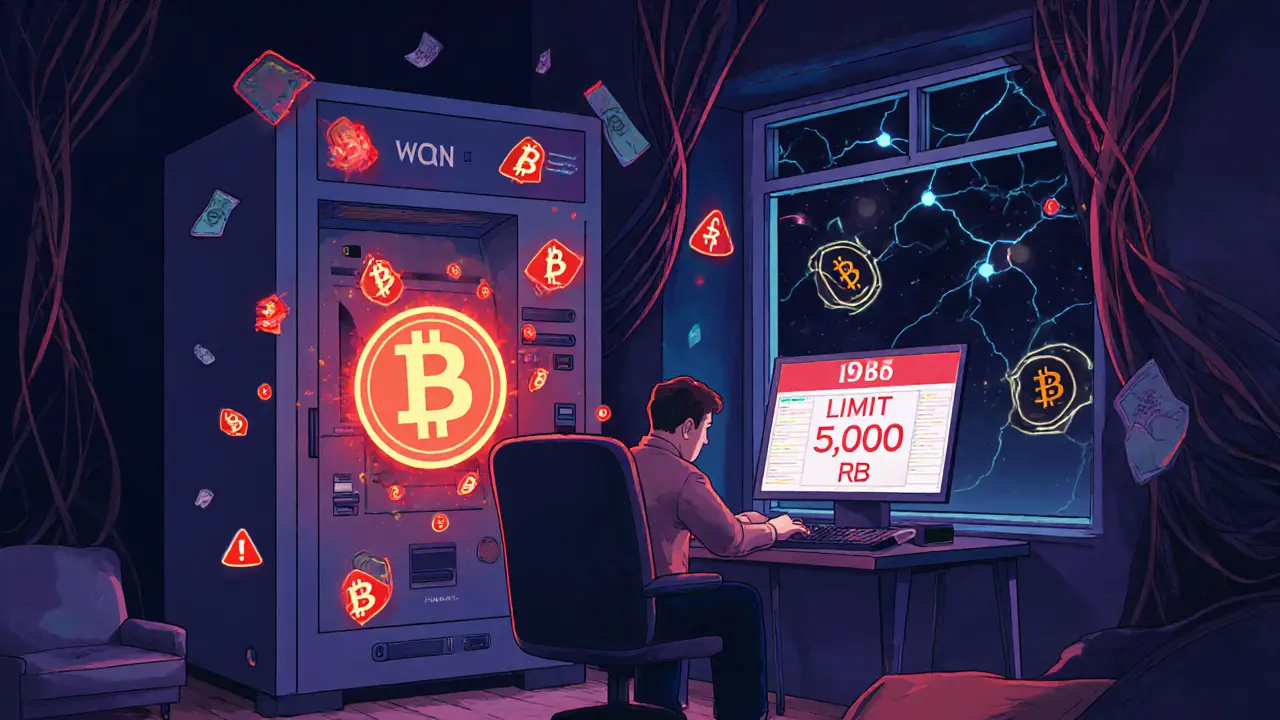
Russia's Crypto Banking Ban: How Traders Are Bypassing Bitcoin Restrictions in 2025
Russia's 2025 crypto cash withdrawal limits have crippled local Bitcoin trading. Traders are turning to foreign platforms, gift cards, and barter systems to bypass ATM restrictions and keep crypto flowing.
Recent Post
-
Benefits of Liquid Staking Over Traditional Staking
Jan, 17 2026