
You might think buying Bitcoin is straightforward until you add "Russia" to the mix. By March 2026, the landscape has shifted again, creating a confusing maze for anyone holding the Russian Ruble and wanting to touch crypto assets. You can technically own digital tokens here, but spending them locally remains strictly off-limits. Meanwhile, big exporters use Bitcoin to bypass Western banks. It sounds contradictory, but this dual-track system defines the entire market right now.
The rules aren't just suggestions anymore. They are embedded in the Experimental Legal Regime (ELR), which acts as a temporary three-year sandbox. Launched back in 2024, this framework is currently active, testing how far Moscow can push crypto without breaking its own currency controls. If you are an average citizen, your options are limited. If you represent a major corporation or meet high wealth thresholds, the gates open slightly wider.
The Domestic Ban vs. International Loophole
Here is the core rule you need to remember: You cannot pay for groceries, rent, or bills using cryptocurrency inside Russia. The law passed in July 2020 made this clear, and nothing has changed regarding everyday commerce. The Russian government treats the Ruble (and the upcoming digital version) as the sole legal tender for domestic transactions. This means peer-to-peer transfers for goods are legally risky, even if you see people doing them underground.
However, there is a massive exception for cross-border activity. Companies importing or exporting goods are permitted to settle payments using digital assets. This was formalized in summer 2024. Why? To navigate the sanctions imposed after the invasion of Ukraine. Instead of waiting days for a payment that might get blocked by SWIFT, a sanctioned company might agree to pay in stablecoins or Bitcoin. By 2025, this track alone facilitated about 1 trillion rubles in trade volume. For these companies, crypto isn't an investment; it’s a plumbing solution for their supply chain.
| Transaction Type | Permitted? | Regulatory Framework |
|---|---|---|
| Buying local goods | No | Dominated by domestic law |
| International settlement | Yes | Experimental Legal Regime (ELR) |
| Investing (Qualified) | Yes | Central Bank Approved Derivatives |
| P2P Cash Transactions | No | Banned / Underground Only |
This separation keeps the Central Bank of Russia (CBR) happy. They have historically hated decentralized currencies, fearing they would undermine national sovereignty. But they also recognize the necessity of staying connected to global finance when traditional routes are cut off. So, they let the trade happen outside the borders while keeping domestic streets clean.
Who Counts as a Qualified Investor?
If you want to invest in crypto rather than trade with it, the bar is set incredibly high. The regulator only opened derivative markets to "qualified investors." This isn't about knowledge; it’s about wealth. To get access, you need assets worth over 100 million rubles or an annual income exceeding 50 million rubles. In US terms, that's roughly $1.1 million to $550,000 depending on exchange rates, but the requirement is strict.
In May 2025, these wealthy individuals got permission to buy products like Bitcoin futures through authorized brokers. Within the first month, these elite investors poured $16 million into such instruments. It creates a two-tier society for crypto. On one side, you have the oligarchs and large funds playing official games. On the other, regular citizens hold an estimated $25 billion in wallets, mostly bought via foreign exchanges or P2P networks that operate in the shadows.
The Finance Ministry has wanted to lower these requirements to democratize access. They argue that limiting participation hurts innovation. But the Central Bank refuses. Deputy Finance Minister Ivan Chebeskov pushed for broader access in late 2025, yet the CBR maintains that financial stability depends on keeping the masses away from volatile speculative assets. As we approach late 2026, rumors suggest investment funds might finally get the green light to include crypto in portfolios, leveling the playing field for capital management companies.

Infrastructure and Banking Integration
It helps to look at who is building this system. You won't find a random startup handling compliance. Major state players are involved. Sberbank and the Moscow Exchange are developing instruments tied to crypto prices. This isn't wild speculation; it's institutional integration.
Chebeskov confirmed in October 2025 that the government is coordinating infrastructure development directly with the CBR. The goal is self-reliance. Instead of relying on offshore servers or foreign liquidity providers, Russia wants homegrown mining power and custody solutions. President Vladimir Putin explicitly urged regions with excess energy to start mining operations. This ties into the broader strategy of leveraging natural resources (electricity) to generate digital value.
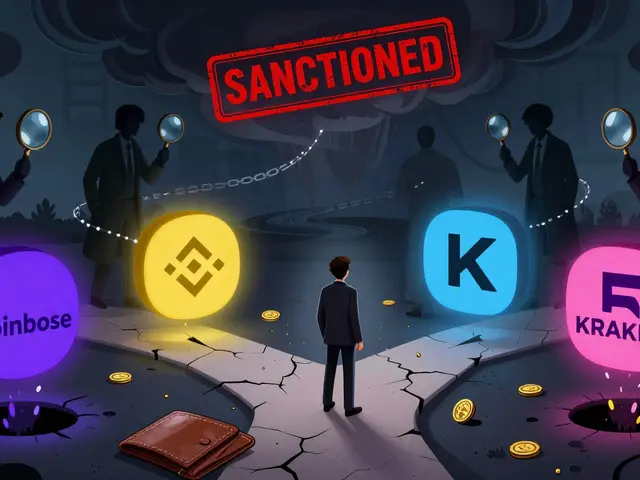
For those working within the system, this means infrastructure is improving, but trust is still low. Banks are cautious. They implement strict monitoring to avoid secondary sanctions from Western allies. If a Russian bank processes a transaction that gets flagged by US Treasury databases, the consequences are severe. Consequently, many banks refuse to even talk about crypto accounts for regular retail users, focusing solely on the qualified investor mandate.
Compliance and Reporting Obligations
If you operate in the gray area or within the ELR, you face heavy reporting duties. Financial institutions must follow robust Anti-Money Laundering (AML) protocols. The CBR has issued methodological guides for spotting suspicious peer-to-peer patterns. These tools monitor blockchain flows to flag rapid movement of funds that resemble money laundering.
Know Your Customer (KYC) checks are rigorous. The ELR doesn't just let anyone sign up. It requires stringent vetting for "especially qualified" participants. Furthermore, individuals must declare crypto transactions exceeding 600,000 rubles to tax authorities. Recent amendments targeting financial fraud have accidentally caught crypto traders, forcing more transparency. If you buy BTC abroad and try to repatriate the proceeds, tax services expect documentation proving the source of funds. Without it, you risk freezing of assets or criminal liability.
The tax burden adds another layer. While ownership isn't illegal, profit tax obligations are clear. The state views significant holdings as taxable events upon conversion to fiat. This creates pressure on the shadow market. Even though citizens hold billions in digital wallets, much of it stays "stuck" in cold storage because moving it into the banking system triggers scrutiny.

What Happens After 2027?
We are currently living in the final year of the experimental window. The ELR was designed to run for three years starting in 2024. By March 2027, Moscow expects to decide whether to make these rules permanent or overhaul them completely. Currently, the consensus leans toward codification. The experiment showed that banning crypto entirely is impossible; regulating it is necessary.
There is growing pressure to allow investment funds to hold crypto by 2026. This would mark a major shift from the current "rich investor only" model. The Central Bank is reportedly studying Bitcoin as a hedge against fiat debasement. In late 2025, hints suggested they might reconsider the absolute opposition to circulation. However, any change will likely be gradual. They fear panic selling or inflationary spikes.
Until then, the duality remains. The Ruble holds the fort domestically. Digital assets serve the empire internationally. As a participant, you need to respect the boundaries. Ignoring the domestic ban risks legal trouble. Navigating the ELR offers opportunity, but demands proof of eligibility. In March 2026, clarity is improving, but caution remains the best policy.
Frequently Asked Questions
Is it legal to own Bitcoin in Russia today?
Yes, owning cryptocurrencies is legal, but you cannot use them for domestic payments. You can hold them as an asset, but transferring them into rubles for local spending violates the ban on domestic crypto usage.
Can I use crypto for international business payments?
Selected exporters and importers within the Experimental Legal Regime (ELR) can use digital currencies for cross-border settlements. Regular citizens generally cannot use crypto for personal remittances abroad.
What makes someone a Qualified Investor for crypto trading?
You typically need assets worth over 100 million rubles or an annual income exceeding 50 million rubles. Without meeting these financial thresholds, you cannot purchase regulated crypto derivatives or products.
When does the crypto experiment expire?
The Experimental Legal Regime launched in 2024 for a three-year period. A full review and decision on permanent regulations are expected around early 2027 based on current projections.
Do I need to report my crypto holdings to the tax man?
Yes, transactions exceeding 600,000 rubles must be reported to tax authorities. Failure to declare these amounts can lead to penalties and increased scrutiny from financial regulators.



Lisa Walton
March 27, 2026 AT 09:04It's always fascinating how governments claim they want innovation while building walls high enough to keep out anyone without a trust fund. The experimental regime sounds less like a sandbox and more like a velvet rope event for oligarchs. Regular people are left holding bags while banks pretend they care about financial stability. Typical bureaucratic dance where everyone benefits except the little guy trying to buy a coffee with bitcoin. Honestly this feels like legal cover for money laundering by design rather than accident.
Wade Berlin
March 29, 2026 AT 08:13The split between domestic bans and international loopholes is actually pretty smart if you view it purely as survival strategy. They needed to keep the ruble sovereign at home but couldn't afford to be cut off completely from global trade flows. Using stablecoins for imports saves days of headache compared to waiting on SWIFT approval chains that probably wouldn't work anyway. It makes sense why exporters get priority over retail gamblers here. Banks are terrified of secondary sanctions though which kills any hope of widespread adoption soon.
Colin Finch
March 30, 2026 AT 14:52You nailed the cynicism but perhaps missed the chaotic energy driving this entire experiment. I believe the duality serves as a pressure valve for the economy while maintaining strict control over social behavior domestically. Imagine the sheer complexity of tracking every blockchain movement against a national currency pegged to energy resources. They are betting big on electricity mining becoming the new oil standard for digital sovereignty. Citizens might feel left out but the state sees every transaction as data gold rather than simple cash flow. If you look at the infrastructure rollout Sberbank is leading it shows institutional maturity we rarely see in emerging markets. This isn't a temporary band aid but a fundamental rethinking of monetary policy under siege conditions. The qualified investor threshold creates a natural filter against panic selling events during volatile market cycles. While ordinary folks struggle the system quietly absorbs external shocks through these specialized channels. Trust remains low because fear sells better than transparency to a skeptical populace. Yet there is beauty in seeing old institutions adapt so quickly to decentralized technology despite ideological opposition. We should expect even more regulatory creep as they refine the experimental legal regime parameters closer to two thousand twenty seven. History will judge this era not by what was banned but by what survived the isolationist policies successfully. Innovation thrives under pressure when the stakes are existential for the banking sector itself. Keep watching how they balance self reliance with inevitable global interconnectedness demands later. It is quite a spectacle really to watch central banks play hide and seek with their own currencies.
Shubham Maurya
March 30, 2026 AT 16:30I honestly think about my friends back in Moscow trying to figure out these new tax rules 🤯. 600k rubles limit seems so arbitrary but I guess better safe than sorry with the tax man 👀. Everyone knows P2P is still running wild underground regardless of official bans anyway 🚀. Most people realize the reason nobody reports everything is because the real action happens on the dark web side 😤. Big companies playing nice with Sberbank while regular guys risk freezing assets is wild. Just wait until 2027 when the sandbox closes doors forever 🔒🔓. Good luck trying to cash out profits without triggering alarms instantly 📉💸. Crypto is free money but only if you can jump through enough hoops first 🏃♂️💨.
Katrina Tate
March 31, 2026 AT 08:42The Central Bank fears volatility above all else so restrictions will never disappear completely.