Crypto Trading in North Macedonia: What You Need to Know
When it comes to crypto trading North Macedonia, the practice of buying, selling, and holding digital assets like Bitcoin and Ethereum within the country’s borders. Also known as digital asset trading, it’s becoming more common among young professionals, freelancers, and small business owners who want alternatives to slow or expensive banking. Unlike countries with strict bans or clear legal frameworks, North Macedonia sits in a gray zone—no law says crypto is illegal, but there’s also no official guidance from the central bank or securities commission.
This uncertainty doesn’t stop people from trading. Many use global platforms like Binance, KuCoin, or decentralized exchanges to swap tokens, earn yield, or send money abroad. crypto exchanges North Macedonia, online platforms where users trade digital assets. Also known as cryptocurrency trading platforms, they’re the main gateway for locals—but most aren’t registered here, which means no local protection if things go wrong. You won’t find a licensed crypto exchange based in Skopje, so users rely on international services with no physical presence. That’s fine for access, but risky if you need help recovering funds or disputing a transaction.
There’s also no formal crypto taxes North Macedonia, how the government treats profits from buying or selling cryptocurrency. Also known as digital asset taxation, it’s not officially defined yet. Most traders assume they need to report gains like any other income, but no one’s auditing crypto wallets. Still, that could change fast. If the EU pushes for tighter crypto rules (and it will), North Macedonia will likely follow. The country is already aligning with EU standards in other areas, and crypto regulation is next.
What about scams? They’re everywhere. Fake airdrops, unregulated exchanges like Horizon Dex or ko.one, and meme coins with zero real use—these show up in local Facebook groups and Telegram channels. People lose money because they trust flashy ads or friends who "made it rich." The truth? Most of these projects have no team, no code, and no future. You won’t find a single legitimate local crypto project with real traction. Everything’s imported.
So what’s actually working? Some use stablecoins like USDT to protect savings from currency swings. Others trade crypto to send remittances to family abroad—cheaper than Western Union. A few tech-savvy freelancers get paid in Bitcoin or Ethereum. These aren’t big numbers, but they’re growing. And unlike places like Bangladesh or Cuba, where crypto is a survival tool, here it’s more about convenience and opportunity.
Below, you’ll find real reviews, scam warnings, and breakdowns of platforms locals actually use. No fluff. No hype. Just what’s happening on the ground—so you don’t get caught in the next fake airdrop or unregulated exchange.
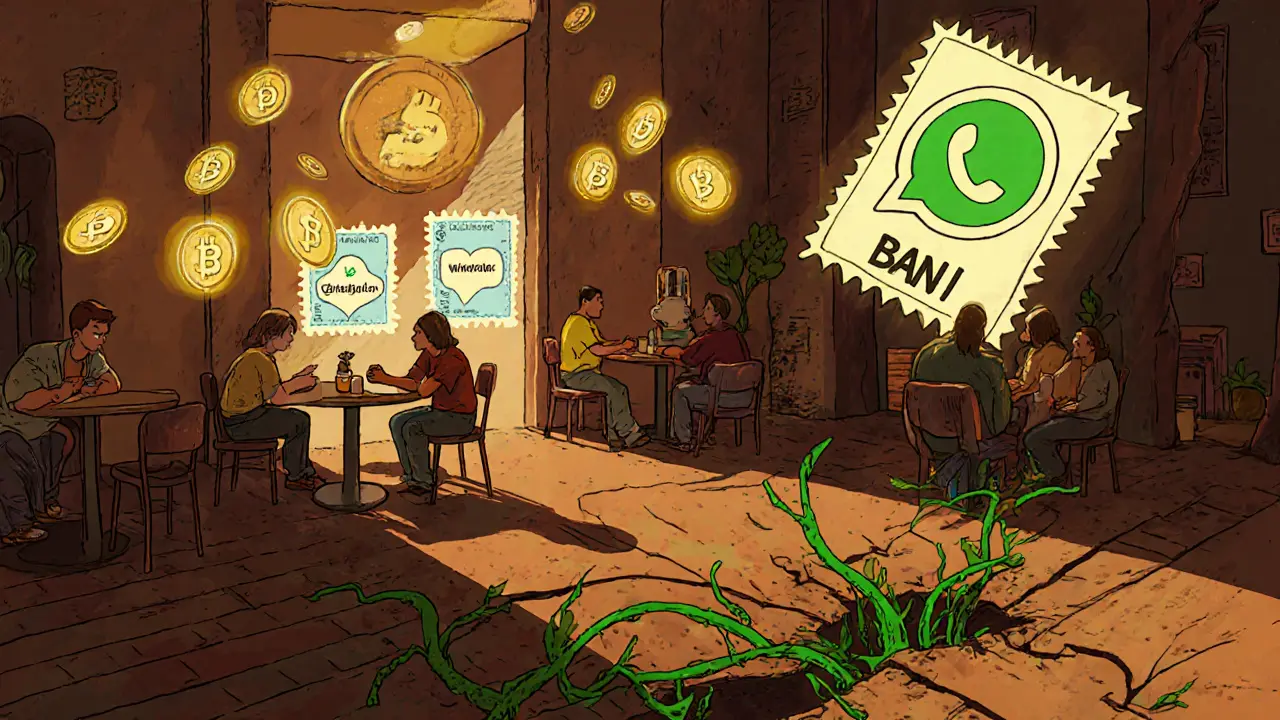
Underground Crypto Trading in North Macedonia: How People Bypass the Ban
Despite an official ban since 2017, crypto trading thrives underground in North Macedonia through P2P platforms and international brokers. Here’s how people trade safely-and why regulation is coming.
Recent Post
-

Cost of Professional Crypto Security Audits in 2026
Mar, 23 2026