Cuba Cryptocurrency: What’s Really Happening with Crypto in Cuba
When people talk about Cuba cryptocurrency, the use of digital currencies like Bitcoin and stablecoins by Cuban citizens to bypass economic isolation and currency controls. Also known as crypto in Cuba, it’s not a government-backed project—it’s a grassroots survival tool. While the Cuban state doesn’t recognize cryptocurrency as legal tender, millions of Cubans use it daily to send money, buy food, and access services the official economy won’t provide.
Why? Because the Cuban peso has lost over 90% of its value since 2020, and state-run banks won’t let you hold dollars or send money abroad. So people turn to crypto. A single Bitcoin transaction can replace weeks of waiting in line at a currency exchange. Stablecoins like USDT let families in Havana receive help from relatives in Miami in under five minutes—no bank, no paperwork, no fees. This isn’t speculation. It’s daily reality. And it’s not just individuals. Small businesses, artists, and freelancers use crypto to get paid for services they can’t sell locally. Even state workers sometimes get part of their salary in crypto through unofficial channels. The government has cracked down on crypto exchanges and banned local trading platforms, but that hasn’t stopped adoption—it’s pushed it underground. Meanwhile, Cuba’s limited internet access and high data costs make crypto harder to use, not easier. Yet people still find ways: peer-to-peer apps, USB drives with wallet keys, even SMS-based crypto transfers.
What you won’t see in official reports is how deeply crypto is woven into Cuban life. It’s not about getting rich. It’s about getting by. Crypto lets Cubans pay for medicine, buy replacement parts for broken appliances, or send a child’s school supplies from abroad. It’s also becoming a way to learn about finance—something the state never taught. Young Cubans now understand wallets, private keys, and gas fees better than their parents understand bank transfers. And while the Cuban government still calls crypto a "risk," it’s quietly exploring blockchain for state-owned enterprises, like tracking sugar exports or managing tourism payments. The truth? Cuba didn’t choose crypto. Crypto chose Cuba because the old system failed.
Below, you’ll find real stories, practical guides, and hard facts about how crypto works in Cuba—what’s legal, what’s dangerous, and what’s working right now. No hype. No fluff. Just what people are actually doing.
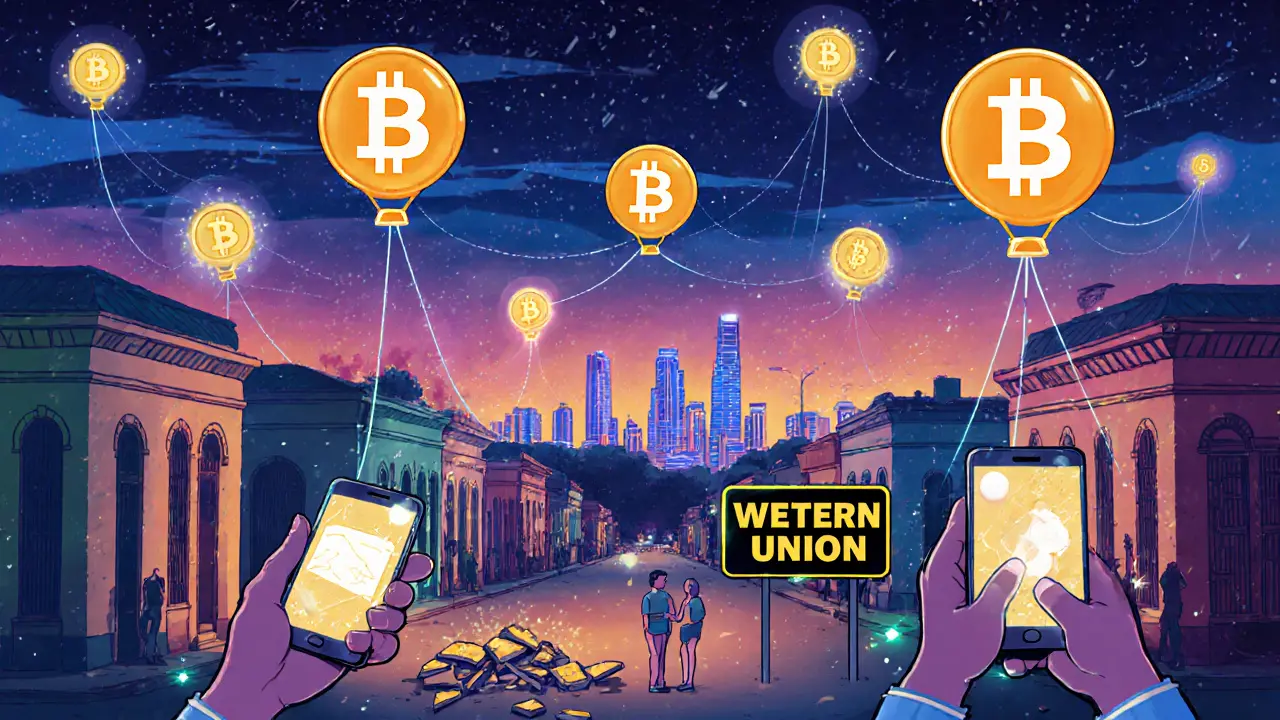
How Cubans Are Using Crypto Despite Government Restrictions
Cuba legalized cryptocurrency to bypass U.S. sanctions that cut off access to banks and remittance services. Now, over 100,000 Cubans use Bitcoin and Ethereum to send money, buy goods, and survive economically - all under a strict government-regulated system.
Recent Post
-

How Sharding Improves Blockchain Scalability
Dec, 28 2025