Fake Crypto Airdrop: How to Spot Scams and Avoid Losing Your Crypto
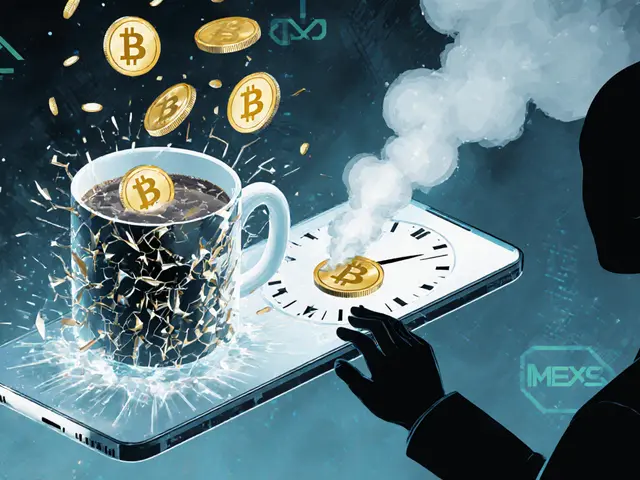
When you hear fake crypto airdrop, a deceptive promotion promising free tokens in exchange for personal info or wallet access, it’s not just a nuisance—it’s a direct threat to your funds. These scams don’t come with warning labels. They look like real announcements from CoinMarketCap, Binance, or popular DeFi projects. They use official-looking logos, copy-pasted whitepapers, and fake testimonials. But here’s the truth: if it sounds too easy, it’s designed to take your crypto, not give it to you.
crypto airdrop scam, a fraudulent campaign that tricks users into connecting wallets or paying fees to claim non-existent tokens thrives because people want free money. But real airdrops don’t ask for your private key. They don’t ask you to send ETH or BNB to "unlock" your reward. They don’t require you to join Telegram groups full of bots. If a site asks you to sign a transaction that says "Approve unlimited spending," walk away. That’s not an airdrop—it’s a one-way ticket to an empty wallet. Projects like MultiPad, Metahero, and Flux Protocol have had real airdrops in the past, but scammers reuse their names to trick people. The same goes for AFEN Marketplace, FOC TheForce.Trade, and XCV—no official drops are running, yet fake pages pop up daily.
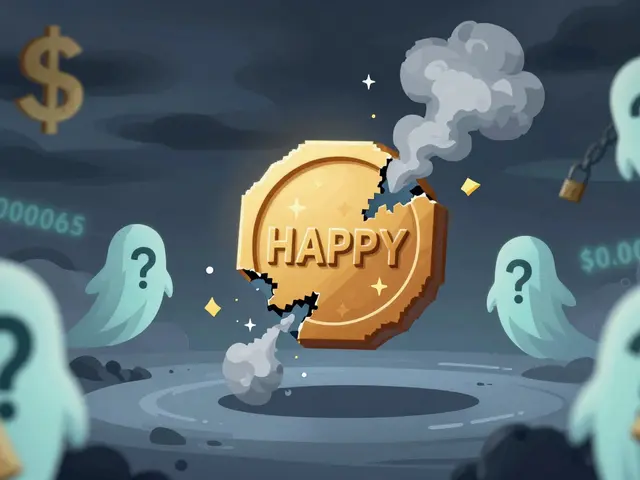
fake token airdrop, a counterfeit token distribution designed to mimic legitimate projects but with zero underlying technology or team often uses low-traffic coins with no trading volume or community. Think Moonft, ElonDoge, or SakeToken—tokens that exist only on paper, with no real use case. Scammers create fake airdrop pages for these coins because they know no one will check if they’re real. You’ll see claims like "Get 10,000 tokens for free!"—but the token’s price is $0.0001, and no exchange lists it. That’s not a giveaway. It’s a trap to harvest your wallet address and later drain it with a phishing transaction.
How do you protect yourself? Always check the official project website. Look for the airdrop on their blog or Twitter, not on random Telegram channels. Verify the contract address. If the site doesn’t show a blockchain explorer link, it’s fake. Never connect your main wallet. Use a burner wallet with just enough gas to test. And if you’ve already connected a wallet to a suspicious site, immediately revoke permissions using tools like Etherscan’s token approvals page. Real crypto growth comes from learning, not luck. The people behind these scams count on your haste. Slow down. Verify. Ask questions. The next fake crypto airdrop won’t catch you off guard.
Below, you’ll find real breakdowns of projects that claimed to run airdrops—and the truth behind them. Some were real once. Others never existed. All of them teach you how to spot the next one before it’s too late.

VDV VIRVIA Airdrop Scam: What You Need to Know Before You Click
The VDV VIRVIA airdrop is a confirmed scam targeting crypto users with fake shopping platform promises. No legitimate token exists. Learn how it works, why it's dangerous, and how to avoid losing your crypto.