MetaMask: The Essential Crypto Wallet for Trading, DeFi, and Airdrops
MetaMask, a browser extension and mobile app that lets you store, send, and manage Ethereum-based cryptocurrencies and tokens. Also known as Ethereum wallet, it's the gateway to nearly every DeFi platform, NFT marketplace, and airdrop you’ll ever encounter. If you’ve ever bought a token, swapped coins on a decentralized exchange, or claimed free crypto, you’ve probably used MetaMask. It’s not just a wallet—it’s your key to the open internet of money.
MetaMask works by connecting directly to your browser or phone, giving you control over your private keys. That means no bank, no exchange, no middleman holds your crypto. You do. But with that power comes responsibility. Many users lose funds because they click on fake airdrop sites that ask them to connect their MetaMask wallet. That’s why you’ll find posts here about scams like the AFEN Marketplace airdrop, VDV VIRVIA scam, and fake BSC AMP claims—each one targets people who don’t understand how MetaMask permissions work. Connecting your wallet isn’t signing up for a newsletter. It’s giving a website access to your entire crypto balance.
MetaMask doesn’t just hold coins. It lets you interact with smart contracts on Ethereum, Binance Smart Chain, Polygon, and other chains. That’s why you’ll see posts about PancakeSwap on Linea, Flux Protocol airdrops, and Metahero token distributions—all of them require MetaMask to claim or trade. Even when platforms like CoinMarketCap run token giveaways, they ask you to connect your MetaMask wallet to verify eligibility. It’s the universal login for Web3. But not all chains are safe. Some, like Horizon Dex or ko.one, have no security, no audits, and no users. If a site asks you to connect MetaMask and you’ve never heard of it, walk away.
MetaMask also lets you switch between networks on the fly. Want to trade on BSC? Switch to Binance Smart Chain. Trying to claim a token on Polygon? Change the network. That flexibility is why it’s used by students in India bypassing banking limits, Cubans sending remittances under sanctions, and traders in Bangladesh avoiding legal gray zones. It’s not about legality—it’s about access. And MetaMask gives you that access, no matter where you are.
But here’s the truth: MetaMask itself doesn’t protect you. It’s just a tool. The risk comes from what you connect it to. That’s why this collection includes guides on smart contract audits, no-KYC exchange shutdowns, and frozen crypto assets in the Philippines. These aren’t random stories. They’re warnings. Every time someone loses money to a fake airdrop or unregulated exchange, it’s because they trusted a site they didn’t understand. MetaMask doesn’t care if the site is real or fake. It just does what you tell it to do.
Below, you’ll find real stories from people using MetaMask in places where banks won’t go—India, Cuba, North Macedonia. You’ll see how airdrops like MultiPad, GEMS NFT, and Flux Protocol actually work. And you’ll learn which tokens are scams hiding behind fancy names. This isn’t theory. It’s what’s happening right now. Know how MetaMask works. Know what you’re signing. Then go ahead—trade smart, not just fast.
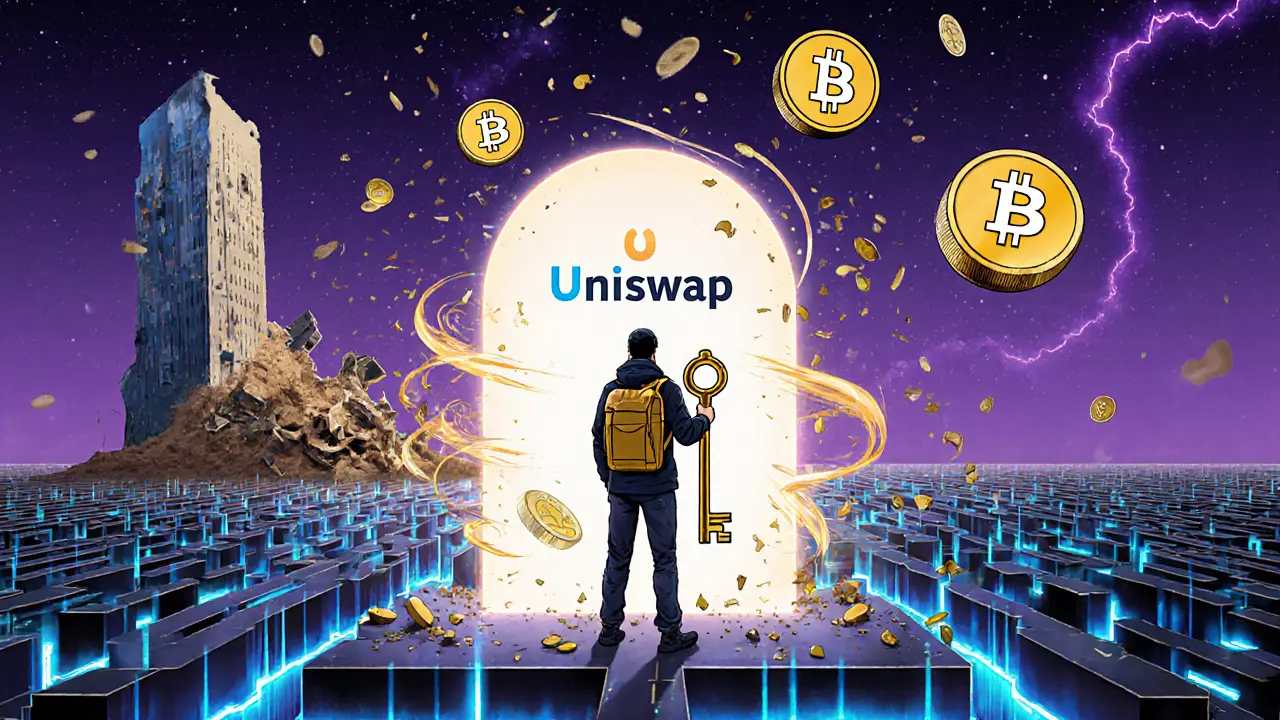
How to Use a Decentralized Exchange: A Step-by-Step Guide for Beginners
Learn how to use a decentralized exchange safely and effectively. Step-by-step guide for beginners on swapping crypto with MetaMask, avoiding common mistakes, and using Layer 2 networks to save on fees.