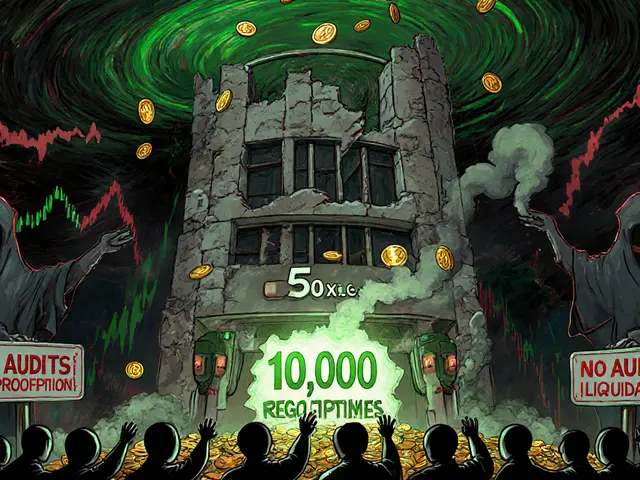
Russia Crypto Ban: What Really Happened and How People Are Bypassing It
When the Russia crypto ban, a set of legal restrictions introduced in 2020-2023 that prohibit using cryptocurrencies as payment while allowing ownership and trading. Also known as crypto payment prohibition, it was never a full ban on crypto itself—just on spending it like cash. That’s the key detail most people miss. The Russian government didn’t outlaw Bitcoin or Ethereum. They outlawed using them to pay for groceries, rent, or services. Banks were told to cut off crypto-related transactions. Payment processors got shut down. But holding crypto? Still legal. Trading on exchanges? Still allowed. Mining? Still happening—just under more scrutiny.
This split decision created a strange reality: Russians can own crypto, but can’t use it like money. So they found ways around it. Peer-to-peer (P2P) platforms like LocalBitcoins and Paxful exploded in usage. People trade rubles for Bitcoin in person, over Telegram, or through trusted intermediaries. Stablecoins like USDT became the unofficial currency for cross-border payments—especially for freelancers sending money out of the country. Why? Because Western payment systems like PayPal and Wise blocked Russian users. Crypto became the only reliable bridge. Even state-owned banks quietly started offering crypto custody services, as long as users didn’t try to spend it locally. Meanwhile, the Central Bank of Russia pushed for its own digital ruble, hoping to replace crypto’s role in the economy. But adoption has been slow. People still trust Bitcoin more than a government-controlled digital currency.
The crypto regulations Russia, the evolving legal framework that defines what’s allowed, taxed, or penalized in Russia’s crypto space. Also known as Russian crypto law, it’s messy, inconsistent, and changes every year. Fines for using crypto to pay for goods can reach 200,000 rubles. But there’s no clear enforcement mechanism—most cases are ignored unless they involve large sums or foreign exchanges. The real crackdown targets unlicensed platforms, not individuals. That’s why you see so many Russians using foreign exchanges like Binance or Bybit, even though they’re technically blocked. They use VPNs, prepaid cards, and P2P deals to stay under the radar. And it’s working. Russia still ranks among the top 10 countries for crypto adoption, according to Chainalysis. Not because the government supports it—but because people refused to give it up.
What you’ll find in the posts below are real stories from people navigating similar restrictions—not just in Russia, but in India, Cuba, Bangladesh, North Macedonia, and Turkey. Each case is different, but the pattern is the same: when governments try to block crypto, people find a way. Some use stablecoins. Others trade on underground P2P networks. A few even build their own tools to stay anonymous. These aren’t tech elites. They’re students, freelancers, small business owners. People just trying to move money without permission.
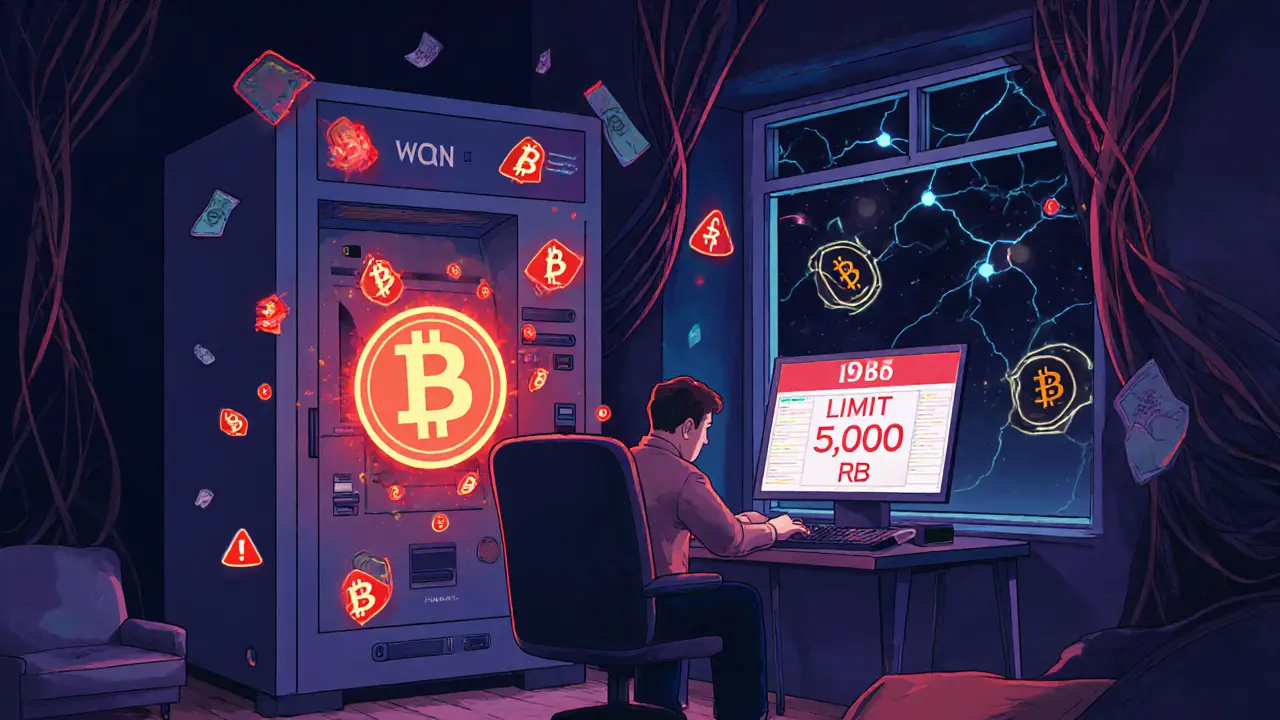
Russia's Crypto Banking Ban: How Traders Are Bypassing Bitcoin Restrictions in 2025
Russia's 2025 crypto cash withdrawal limits have crippled local Bitcoin trading. Traders are turning to foreign platforms, gift cards, and barter systems to bypass ATM restrictions and keep crypto flowing.
Recent Post
-

How Costa Ricans Use Crypto Without Regulations
Jan, 20 2026